US Pulls Back Europe Troops: Hegseth Scolds NATO, Alliance Future Unclear

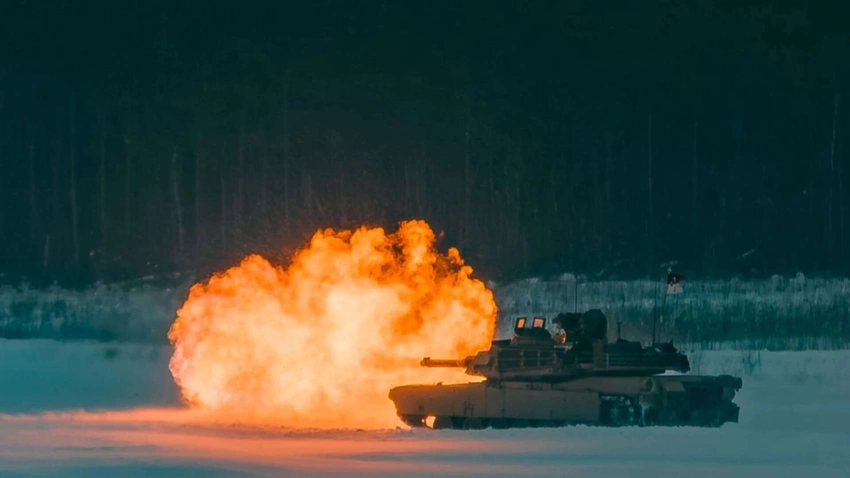
US Pulls Back Europe Troops: Hegseth Scolds NATO, Alliance Future Unclear
The Pentagon begins a six-month review to reduce US forces in Europe, with Defense Secretary Pete Hegseth accusing NATO allies of "free riding." Europe must now bolster its own defenses. Is this the start of a major shif
The United States is initiating a significant review of its military presence in Europe, a move that could see a substantial reduction in US troops and assets on the continent. This decision comes as Defense Secretary Pete Hegseth has ramped up criticism of NATO allies, accusing them of "free riding" on American defense spending.
The Pentagon has launched a six-month review process aimed at scaling back the number of US forces. This means fighter jets, drones, and warships previously earmarked for European crises will be reduced, creating significant gaps that NATO members will now be expected to fill. The core message from Washington is clear: European allies must take greater responsibility for their own defense and increase their military budgets.
Hegseth's combative addresses have consistently pressed European nations to meet their defense spending commitments. The US has long argued that many NATO members fail to contribute their fair share, relying instead on American military might. This latest move signals a concrete step in that direction, pushing allies to invest more in their own security capabilities.
The implications of this withdrawal are profound. It raises questions about the future cohesion of NATO and whether it could mark the beginning of a larger American disengagement from the alliance, a scenario some have dubbed "pulling the plug." While the US emphasizes that this is about burden-sharing and not abandonment, it places immense pressure on European leaders to adapt quickly to a new defense landscape.
European nations will now need to urgently re-evaluate their defense strategies and financial commitments. The absence of certain US assets means a greater need for indigenous capabilities and increased cooperation among European military forces. This development underscores a pivotal moment for the transatlantic alliance, challenging its long-standing dynamics and potentially reshaping global security partnerships.
