Plaid Cymru tops Wales vote, pledges to form next government

Plaid Cymru tops Wales vote, pledges to form next government
Plaid Cymru wins the Welsh Senedd, ending Labour's century-long rule and signaling a possible minority government as Rhun ap Iorwerth eyes the role of first minister.
Plaid Cymru has claimed a historic victory in the Welsh Senedd elections, ending what was described as Labour's century-long grip on power in Wales. In a result shaped by Wales's new, more proportional voting system, Plaid finished with 43 seats, Reform UK 34, Labour nine, the Conservatives seven, Greens two and a Liberal Democrat one. With no party yet holding an outright majority, Plaid is positioned to form a minority government rather than a coalition, a scenario that will test the party's ability to navigate support across the chamber. The results mark a dramatic shift in Welsh politics and set the stage for a potentially different approach to Welsh policy and identity.
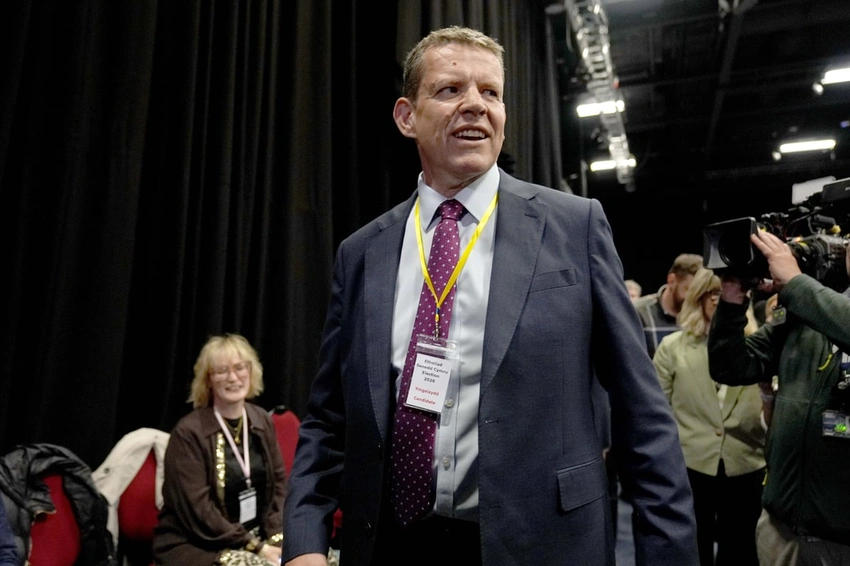
Rhun ap Iorwerth, Plaid's leader, addressed supporters in Llandudno and said he stood ready to be nominated as the next first minister. He signaled openness to talking with other parties that share Plaid's values, stressing that the aim was to build a fair, compassionate nation. This is a moment 100 years in the making, referencing Plaid Cymru's founding in 1925, and he promised urgent conversations to chart the next steps for the Welsh government.
Under the new electoral framework, gaining a simple majority would require 49 seats, a threshold no party is projected to reach on current tallies. The results thus push Plaid toward a minority government that would need cross-party support on key issues. The victory also shifts the trajectory of a broader debate across Britain's nations: for the first time all three Celtic nations will be led by parties advocating some form of independence or greater autonomy.
While the immediate business is governing, the outcome raises questions about a possible Welsh independence referendum in the future and how Westminster relations will adapt to a post-Labour Wales. Reform UK's surge into second place also reframes the opposition landscape, while Labour, while still a major party, faces a stark reconfiguration of its strength in Wales. As talks begin, Plaid supporters will be watching closely to see whether other parties share Plaid's goals enough to keep momentum while managing the realities of a minority administration.
