Permacrisis: Why Everything Feels Like a Crisis All the Time

Permacrisis: Why Everything Feels Like a Crisis All the Time
Permacrisis: Why Everything Feels Like a Crisis All the Time
From Gaza to climate shocks, this piece explains permacrisis — a world where emergencies stack up, reshaping how we live, report, and respond.
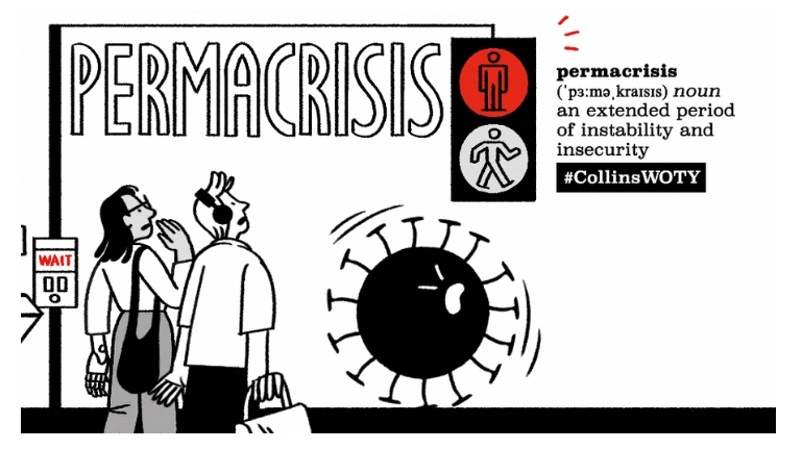
There is a word that quietly explains the background feeling of our time: permacrisis. It describes not one sudden disaster, but a continuous state of overlapping emergencies. A crisis used to be something with a before and an after. Now it feels like the air we breathe. News cycles no longer move from shock to recovery. Instead, shocks line up next to each other. War next to inflation, climate disaster next to political collapse, and protest next to hunger.
We are living in a culture where instability has become normalised, where the next emergency feels inevitable. That is what makes it feel heavy: not just that things are bad, but that they do not stop.
War, displacement and humanitarian catastrophe
One of the clearest faces of permacrisis is war.
Gaza has become a symbol of relentless suffering. Ongoing bombardment, mass displacement, destroyed infrastructure and severe restrictions on aid have produced one of the most visible humanitarian disasters of our time. Entire neighbourhoods have been levelled, hospitals have struggled to function, and families move constantly in search of safety that does not really exist.
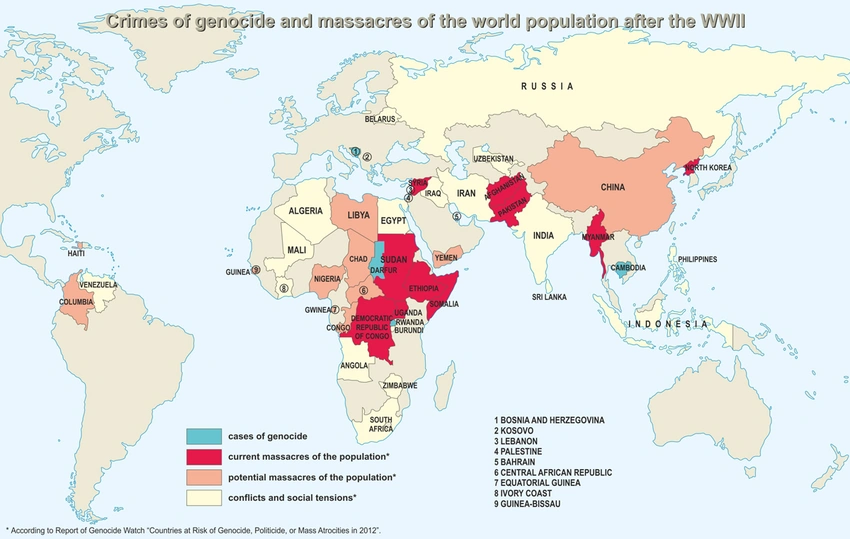
Gaza is not alone. In Sudan, civil conflict has shattered health systems and created hunger and mass displacement on a huge scale. In Yemen, millions still face food insecurity after years of war, economic collapse and weakened institutions. In Syria, curfews and protests in cities like Latakia show that instability persists long after international attention has thinned. In Mozambique, an IS-linked insurgency has displaced hundreds of thousands of people, largely off the global front page.
These are very different conflicts, but they produce similar lives: people fleeing homes, interrupted education, fragile health, and futures narrowed to basic survival.
Political unrest and fragile governments
Permacrisis is also political. Across countries, governments feel shaky, and public trust is thinner than before.
In Iran, protests linked to inflation, currency collapse and living costs express both economic pain and political frustration. France has experienced a parliamentary crisis and governmental instability, showing that even long-standing democracies can feel brittle. In Italy, controversial judicial and policy reforms have triggered protests over accountability and democratic oversight. Venezuela continues to live with political repression, contested elections and the unresolved question of detained protesters.
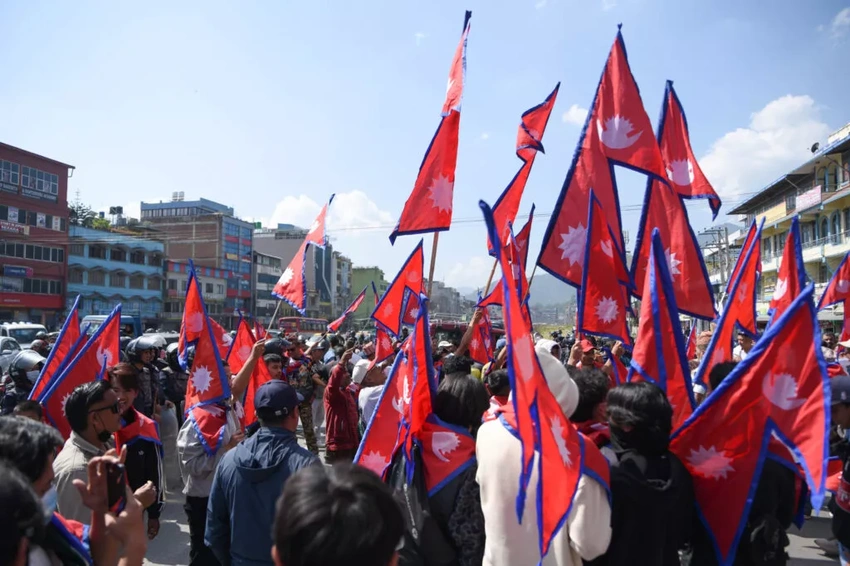
Then there are youth-led uprisings. In Nepal, Gen-Z protests escalated into nationwide unrest and political resignation. In Mali and Madagascar, protests and coups have blurred. Young people are not just commenting on politics. They are interrupting it.
Climate disasters as crisis multipliers
Climate change does not sit politely in its own box; it multiplies every other problem.
Recent years rank among the hottest on record. Extreme weather has destroyed homes, economies and food systems. Floods in South Asia, drought in parts of Africa, wildfires elsewhere: all of them interact with poverty, with weak infrastructures, with already-existing conflicts. The climate crisis deepens hunger, drives migration, and strains fragile governments further.
In permacrisis, climate change is not a future scenario. It is a pressure amplifier on every other crisis already unfolding.
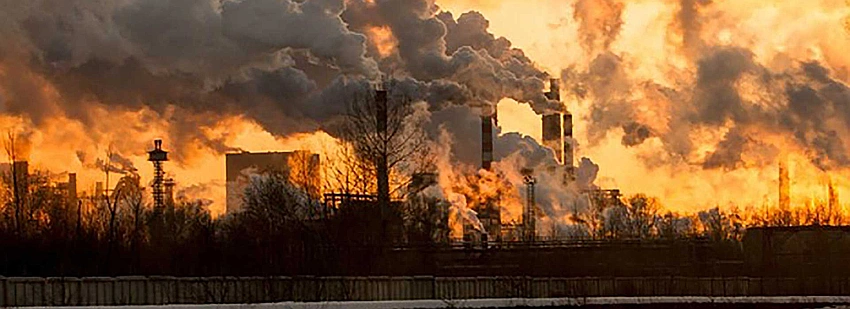
Why it feels like everything is happening at once
What makes the current period distinctive is not the existence of crises. History has always had them. What feels different is:
- their simultaneity
- their interconnection
- their visibility in real time through the media
War causes hunger. Hunger prompts protest. Protest leads to repression. Repression weakens states. Weak states struggle with climate disasters. Climate disasters fuel migration. Migration becomes a political crisis. And at every step, our phones notify us.
We do not experience a crisis as a single event anymore. We experience it as a permanent atmosphere.
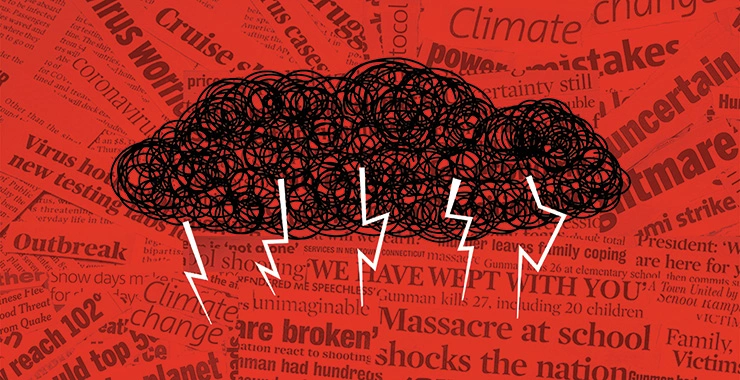
Living through permacrisis
To name this condition is not to catastrophise. It is to be honest about the texture of the present.
We are not overreacting when things feel unstable. Many systems really are unstable: political, economic, ecological and social. It helps us see that this is not only about data and policy but about how time feels, how uncertainty settles into the body, and how anxiety becomes collective rather than private.
The task is not to deny the scale of the crisis or to drown in it. It is to live thinkingly inside it: to keep care, analysis and solidarity intact when headlines try to pull us only toward panic. 'Permacrisis' may be the word of our age. But naming it does not just describe a condition. It also gives us language to resist becoming numb to it.
#Permacrisis #GazaWar #HumanitarianCrisis #GlobalNews #Displacement
