Y2K Nostalgia: Genuine Love or Just a Cycle of Recycled Trends?

Y2K Nostalgia: Genuine Love or Just a Cycle of Recycled Trends?
Explore the reality of Y2K nostalgia through the lens of indie film design, examining whether our obsession with the early 2000s is authentic or just cyclical recycling.
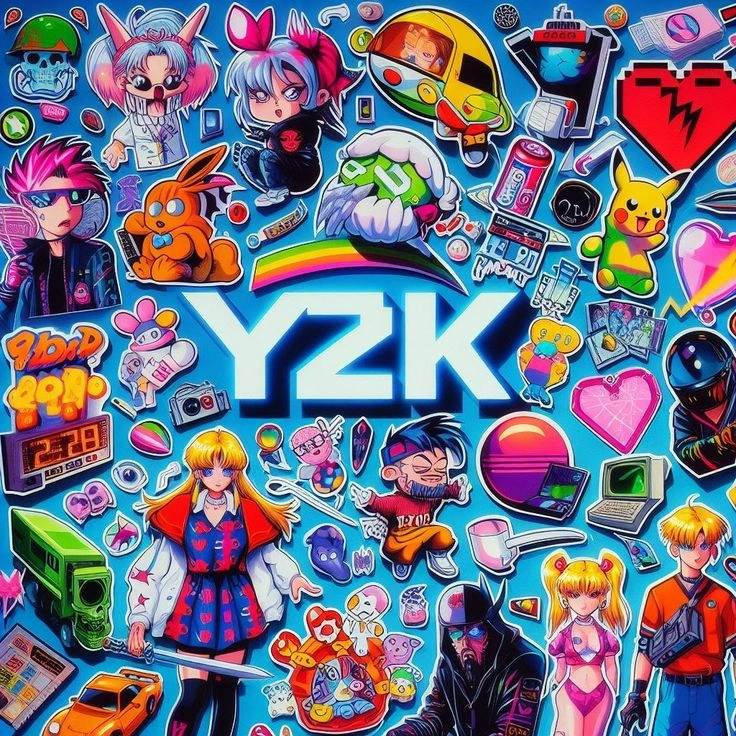
The early 2000s are having an undeniable moment. Everywhere you look, platforms are pushing low-rise denim, tiny shoulder bags, and the kind of chunky highlights we thought we left behind in middle school. But as the pendulum swings back, a crucial question emerges: Is this Y2K obsession a genuine appreciation for a bygone era, or is it just the relentless machinery of trend cycles chewing up another decade for parts?
To find the answer, we have to look past the sanitized TikTok aesthetic and examine how people actually lived during the turn of the millennium. Real life in 2002 was not a glossy music video. For most teenagers, style was defined by limited access and slow-moving trends.
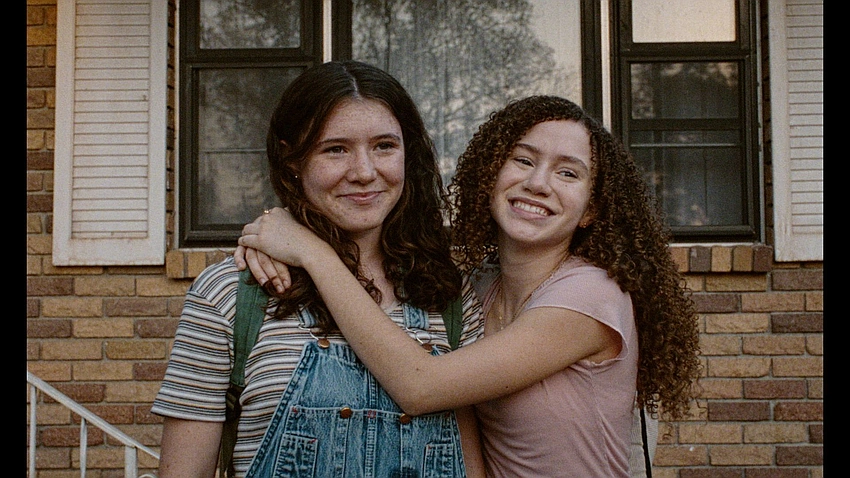
As costume designer Meg Grace points out when discussing the indie film Mouse, small-town teenagers did not have cutting-edge fashion at their fingertips. They relied on JCPenney, Sears, and Walmart, mixing that one special piece they saved up for months to buy with whatever else was in the closet.
The calendar might tell you that you’re in the 2000s, but your home doesn’t actually change that quickly.
This friction is what separates authentic nostalgia from manufactured aesthetic packaging. When we reduce an era to a mood board, we erase the awkwardness. True memory includes the cargo capris that today's revival overlooks, the unflattering school-dance updos, and the mismatched interiors where 1970s shag carpet still coexisted with 90s hand-me-downs.
Nostalgia that only cherry-picks the most photogenic items is not love for the past; it is consumerism wearing a vintage disguise.
Are we trapped in an endless loop of recycled aesthetics?
Perhaps the secret lies in how we consume memory. If we keep treating past decades as fast-fashion costumes, we will burn through every era until nothing feels sacred. But if we embrace the awkward, unpolished reality of how we actually grew up, nostalgia can be more than a marketing strategy.
It can be a genuine bridge to understanding who we used to be.

Login to comment.