Trump's State of the Union: A Nation in Transition

Trump's State of the Union: A Nation in Transition
Trump delivers his first State of the Union of his second term, outlining economic plans amid inflation and rising security concerns in a polarized climate.
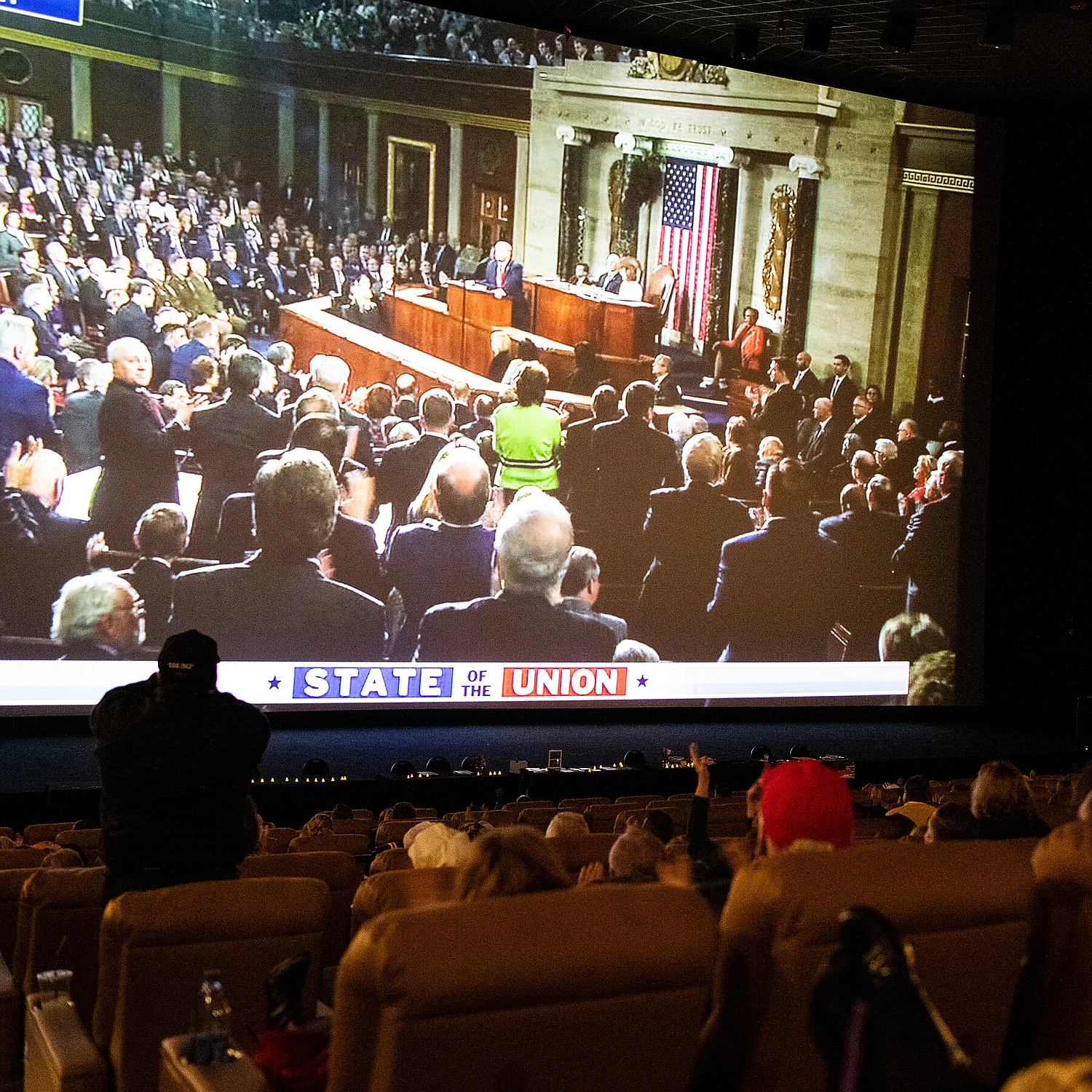
President Donald Trump delivered his first State of the Union address of his second term before a joint session of Congress, a ritual moment that signals the government's direction for the year. The speech, delivered in Washington, aimed to outline the administration's plan for the economy, national security, and domestic policy at a moment many Americans are watching inflation and growth closely. With a room charged by a mix of supporters and critics, Trump framed the moment as a rallying point for his agenda and a test of his political staying power.
Backdrop mattered. A Supreme Court ruling on tariffs and rising tensions with Iran added friction to the president's messaging, while inflation and slower growth weighed on headlines. Trump was expected to defend his economic record, highlight job gains, and present a roadmap on energy, trade, and border policy. The address is also a test of his ability to unify a country and set the tone for a polarized year ahead.
On the Democratic side, Virginia Governor Abigail Spanberger delivered the party's response, described as a signal of a newer generation ready to shape the conversation. The dynamic underscored a familiar rift: the president's supporters looking for momentum and opponents pressing alternatives. Some Democrats reportedly planned to boycott the response, illustrating the stubbornly partisan climate surrounding the speech.
Across networks and social media, viewers will be watching for specifics on inflation relief, energy policy, and steps to bolster national security. The speech is expected to be lengthy, with a tone intended to reassure voters while projecting a clear policy direction ahead of midterm elections.
In the Capitol, security has been heightened as the nation tunes in, and the moment stands as a hinge point for the presidency and for the country as it navigates a challenging international and economic landscape.
