Survivor's DEI: More Than a Mandate, It's Essential Storytelling
Survivor's DEI: More Than a Mandate, It's Essential Storytelling
Jeff Probst spills on why Survivor's commitment to diversity isn't just about meeting quotas, but about crafting compelling narratives that keep viewers hooked season after season.
Why Diversity Is the Ultimate Reality TV Plot Twist
There's a buzz in the entertainment world about Diversity, Equity, and Inclusion (DEI) initiatives. Some see them as a moral imperative, a necessary step towards better representation. Others, especially with recent rollbacks like those seen at Paramount, question their place, wondering if they're just mandated checkboxes.
But what if the strongest argument for diversity isn't just moral, but purely pragmatic, a secret ingredient for irresistible storytelling?
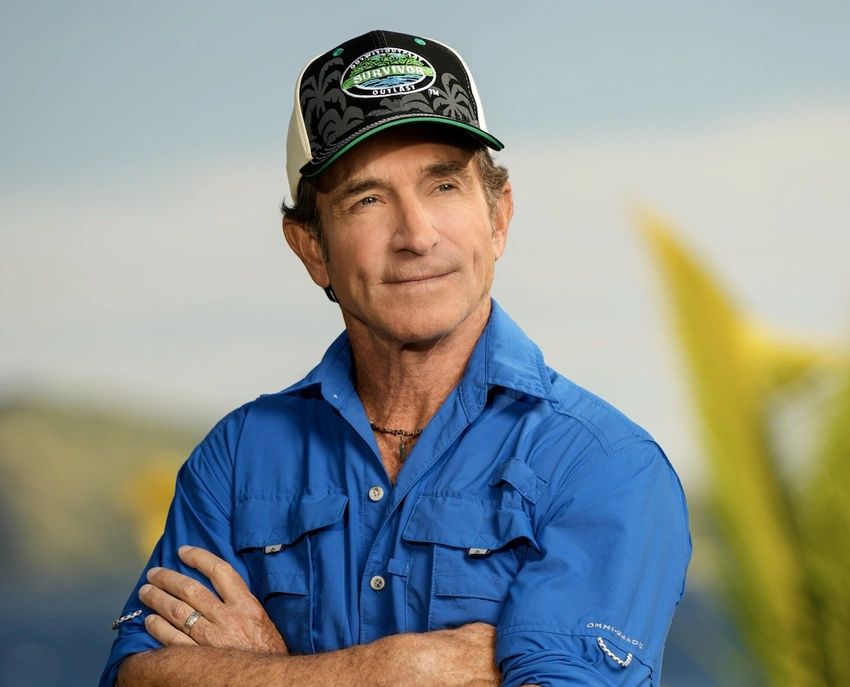
Take it from a veteran like Jeff Probst, the longtime host of 'Survivor'.
He's clear: even as other companies recalibrate, 'Survivor's' approach to diversity hasn't wavered. In fact, he emphasizes that “nothing has changed” for the show, which is currently on its fifty-first season.
For him, diversity isn't an external mandate; it's baked into the show's DNA.
It's about making the game work, making the stories pop.
Probst articulates this brilliantly: “All those differences matter in the story when you throw people together and force them to rely on each other while conspiring against each other.” He believes that “Our stories are so much more interesting now because we have people from completely different walks of life.” It’s not just about what a person looks like, but the rich tapestry of experiences and perspectives they bring.
This isn't just talk. It reflects a fundamental shift in how 'Survivor' casts its players. In the early seasons, the goal was often to “cast for type”, think clear heroes, villains, and comedic relief.
The aim was often friction, arguments, and finger-pointing.
While that made for compelling television in its era, it often relied on stereotypical portrayals.
Since Probst took the reins as showrunner in 2010, the vision for 'Survivor' has evolved. He wanted it to be more cinematic, diving deep into the “Hero's Journey.” This elevated ambition naturally demanded richer character dynamics, which diversity intrinsically provides. When casting director Jesse Tannenbaum seeks out participants, it's not for quotas, but for narrative gold.
The Business of Better Stories
So, is diversity a moral imperative or just good storytelling?
The truth is, it's both, and one reinforces the other.
When you prioritize authentic diversity, you naturally create a richer, more relatable, and ultimately more interesting story for a broader audience.
It's not about ticking boxes; it's about unlocking new dimensions of human interaction and conflict, making for better drama and deeper connections.
In the world of reality TV, where authenticity is currency, embracing a truly diverse cast isn't just doing the right thing. It's smart business. It ensures that the stories told resonate with more viewers, keep them invested, and cement a show's legacy for seasons to come.
It turns out, giving everyone a seat at the table also gives your audience a better show to watch.
