Trump's Gaza Board of Peace draws Israeli objections amid expansion

Trump's Gaza Board of Peace draws Israeli objections amid expansion
The White House unveils a Gaza Board of Peace with high-profile global figures, while Israel voices rare criticism and outlines a response.
The White House has announced a new initiative to oversee Gaza redevelopment, creating a main body known as the Board of Peace that will be chaired by President Trump. The committee is designed to carry out the administration’s vision for Gaza, spearheading a broader plan for reconstruction and governance. Notably, the board includes a mix of international figures, business leaders, and political figures, but no Israeli official among its members. One highlighted member is Yakir Gabay, an Israeli businessman, along with other high-profile appointees who are closely tied to Trump or influential in global finance and diplomacy.
Among the named members are two of Trump’s closest confidants, a former British prime minister, and executives from major institutions. World Bank President Ajay Banga is listed as part of the effort to anchor Gaza redevelopment under the Trump plan, and Apollo Global Management chief Marc Rowan is also on the roster. Jared Kushner, Trump’s son-in-law and senior adviser, is cited among the participants, as is Steve Witkoff, described as a Trump envoy. The roster also includes Tony Blair, the former British prime minister, and a senior official from the United Arab Emirates. Additionally, a diplomat from Qatar and an Egyptian intelligence chief are noted as part of the broader process, signaling a wide-ranging coalition for day-to-day Gaza governance under the executive committee.
The White House said the executive committee will carry out the vision behind a proposed “Board of Peace,” with its members still to be named. Alongside this, a separate Palestinian committee was introduced to manage day-to-day affairs in Gaza, operating under the oversight of the executive committee. The listing of specific names—ranging from government officials to influential business leaders—has drawn attention to the degree of international involvement in what is framed as a peace-driven redevelopment project.
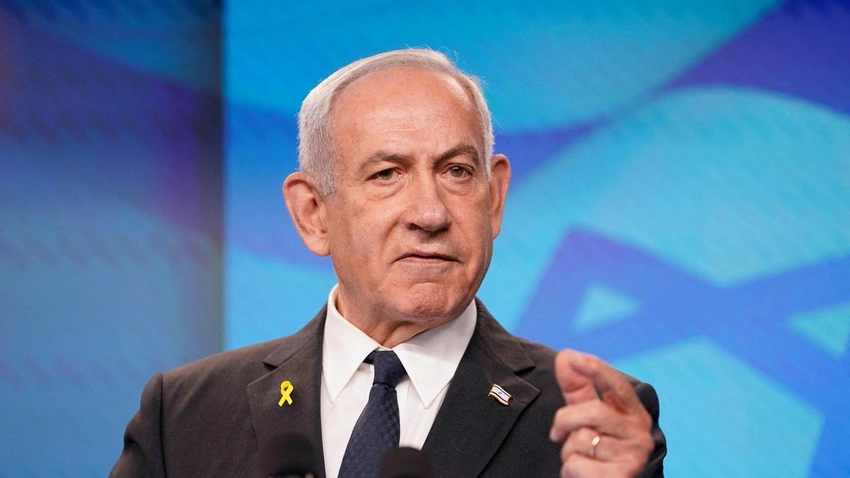
Israel’s government quickly voiced objections to the announcement, arguing that the Gaza executive committee was not coordinated with Israel and runs counter to its policy, without providing further details. Shortly after, Prime Minister Benjamin Netanyahu reportedly instructed the foreign ministry to reach out to Secretary of State Marco Rubio. The domestic response within Israel was further reflected by Itamar Ben-Gvir, the far-right National Security Minister, who voiced support for Netanyahu’s stance and urged the military to prepare for possible escalation should the situation demand it. In parallel, reports indicate there is an ongoing focus on securing additional resources for the Gaza initiative, including a request from Trump for substantial funding to secure a permanent seat on the board.
World reactions in parallel coverage suggest world leaders are weighing whether to join Trump’s Gaza governance mechanism, underscoring the international dimension of a plan that seeks to shape Gaza’s future governance and reconstruction in a broader peace framework. Executives and policymakers are watching closely to see how this framework would interact with existing ceasefire arrangements and regional diplomacy, and whether it can translate into tangible improvements on the ground.
