Fighting Phantoms: How Activists Battle Invisible AI Bias

Fighting Phantoms: How Activists Battle Invisible AI Bias
AI systems are making crucial decisions, but what happens when their underlying biases lead to discrimination we can't see? Discover how activists are fighting back against 'racist algorithms' and demanding digital justi
Fighting Phantoms: How Activists Battle Invisible AI Bias
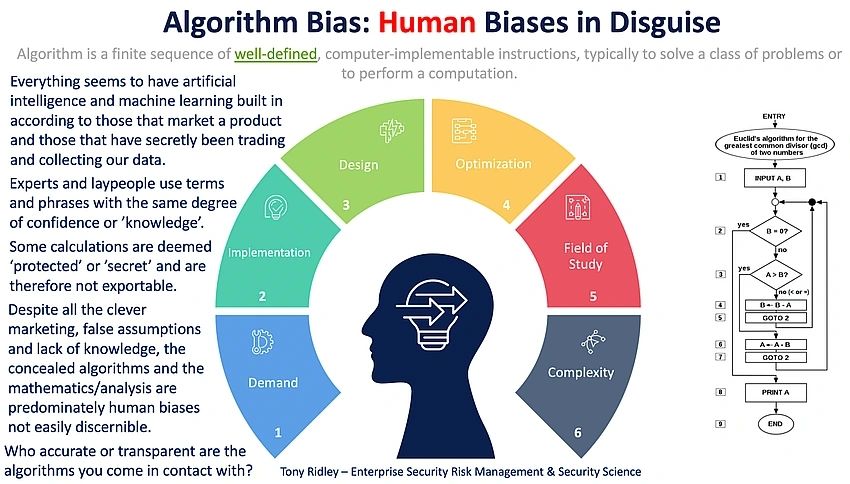
AI isn't just code and data, it's increasingly woven into the fabric of our society, making decisions that impact everything from loan applications to hiring. But what if this powerful technology is inheriting-and amplifying-societal biases? We're not talking about a glaring 'whites only' sign, but something far more insidious: a 'racist algorithm' that operates behind the scenes, often invisible, yet profoundly discriminatory.
How do you protest a ghost in the machine?
The Unseen Architect of Inequality
Unlike traditional forms of discrimination, algorithmic bias isn't always overt.
It's embedded in vast datasets that reflect historical inequities, or coded into models by developers unaware of their own blind spots. Facial recognition systems, for instance, have shown higher error rates for women and people of color.
Hiring algorithms might inadvertently penalize applicants with certain names or educational backgrounds, simply because past successful employees shared different demographics. These biases operate quietly, their impacts often felt before they are understood, creating a justice gap that is difficult to pinpoint, let alone challenge.

From Code Audits to Street Protests
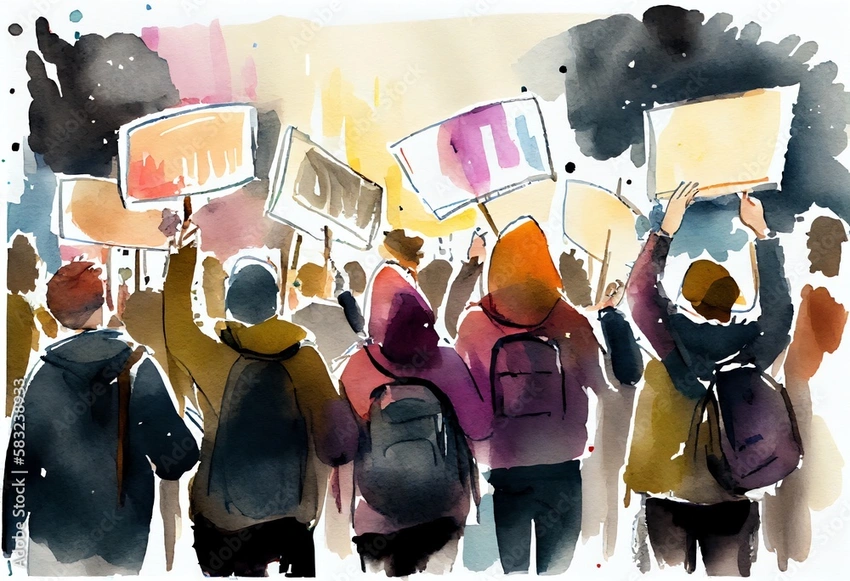
Fighting something invisible demands innovative tactics. Activists and organizations aren't just taking to the streets-though public demonstrations do play a vital role in raising awareness. They're also engaging in 'algorithmic audits,' scrutinizing code and data for discriminatory patterns.
Think of it as digital forensics, meticulously uncovering the biases hidden within. Groups like the Algorithmic Justice League, founded by Dr.
Joy Buolamwini, are at the forefront, using art and advocacy to highlight the harms of biased AI.
This fight extends to policy-making, with activists pushing for legislation that mandates transparency and accountability in AI development. They're demanding 'explainable AI' that can justify its decisions, rather than operating as an opaque black box. Without understanding why an AI made a certain decision, challenging its unfair outcomes becomes almost impossible.

Demanding Digital Justice
One significant challenge is the corporate power structure behind many of these AI systems. Companies often guard their algorithms as proprietary secrets, making independent audits difficult. This opacity creates an accountability vacuum.
Activists argue that the public's right to fairness and non-discrimination should supersede commercial interests, especially when basic rights are at stake.
The algorithms are not neutral-they are reflections of our society, both its brilliance and its flaws,
one prominent activist recently stated. This underscores the need for diverse teams in AI development and a societal reckoning with data collection practices. It's not just about fixing the code, but fixing the underlying societal structures that feed bias into the code.
Building a Fairer Future, Byte by Byte
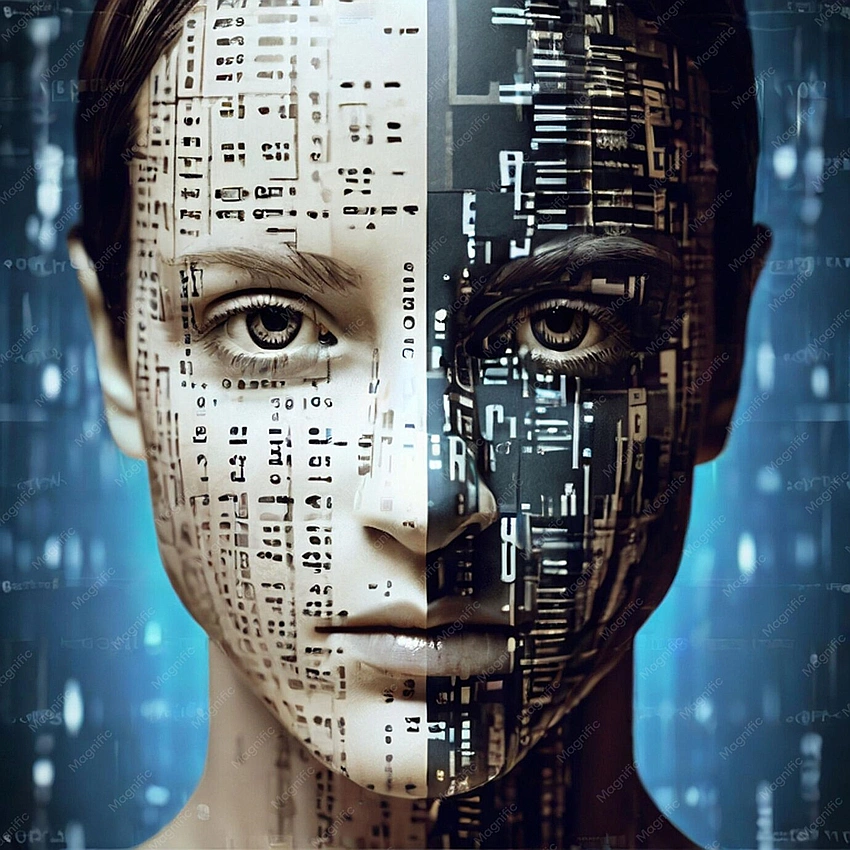
Addressing algorithmic bias requires a multi-pronged approach: robust regulation, transparent development practices, and relentless public advocacy. It means empowering data scientists with ethical training, diversifying the tech workforce, and funding independent research into AI fairness. For ordinary citizens, it means demanding answers when AI decisions feel unjust and supporting organizations dedicated to digital rights.
We may not see the algorithms, but we certainly feel their effects. The protests against AI bias are a powerful testament to our collective refusal to let technology perpetuate-or worsen-old injustices.
They are a call for a future where technology serves humanity, ethically and equitably.