ADÉLA: From Dream Academy “Mean Girl” to the IT Girl


ADÉLA: From Dream Academy “Mean Girl” to the IT Girl
ADÉLA: From Dream Academy “Mean Girl” to the IT Girl
Adéla Jergová, initially looked as the 'mean girl' on The Debut: Dream Academy, defies the edit and rewrites her story. A closer look at how a teen ballet prodigy navigates reality TV archetypes.
Reality television loves a villain. In The Debut: Dream Academy, the global girl-group competition produced by HYBE and Geffen, that role fell on the shoulders of Adéla Jergová. She was barely out of her teens, Slovak, ballet-trained, ambitious and suddenly she was stamped with the two words that cling like burrs: “mean girl.”
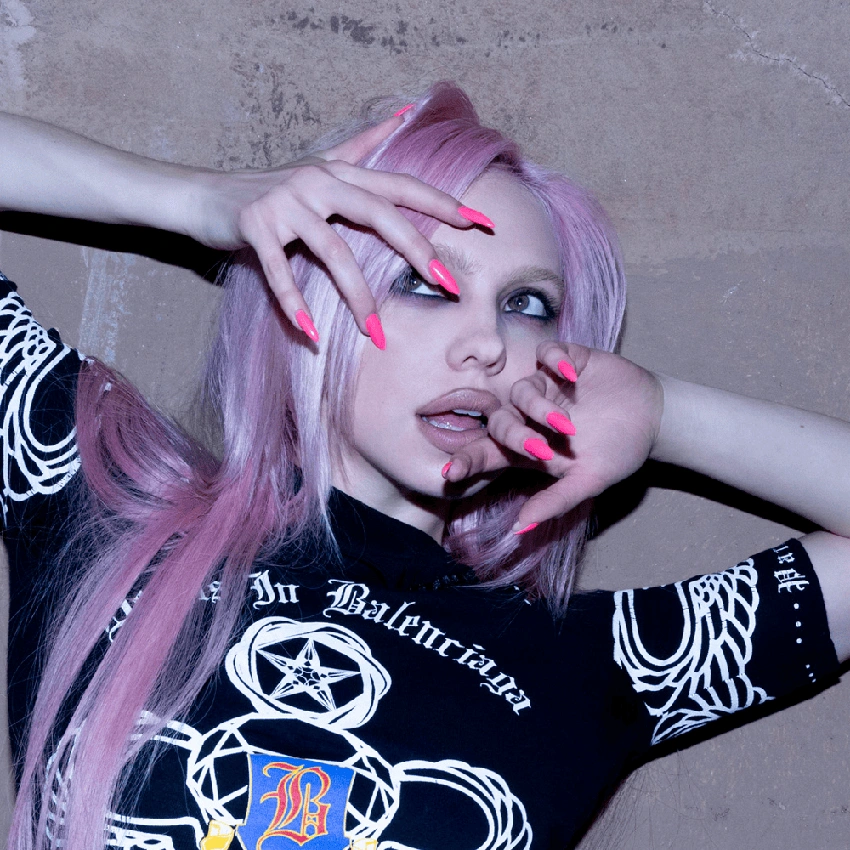
But if you pause and look closely, the label says less about Adéla than about the mechanics of the medium. Contestants are characters, edited into archetypes. Someone must be the sweetheart, someone the leader, someone the antagonist. Adéla was cast in that role, but roles are temporary. What is fascinating is watching how she has not only slipped out of the script but rewritten it entirely.
A Classical Beginning
Before all this, Adéla’s life was disciplined in ways few pop aspirants can claim. Born in Bratislava in 2003, she trained in ballet from the age of three, even attending the prestigious Vienna State Ballet and later moving to London for further study. Ballet is an art form built on rigour and restraint: the body is sculpted into lines, the self dissolved into choreography.

That training still shows in her presence. Even when she was eliminated early in Dream Academy in the first pair to be voted out, there was a poise about her, an insistence that this was not the end of the story but a redirection.
The “Mean Girl” Myth
The truth is that Adéla was no more “mean” than any other young woman put under relentless scrutiny and edited for conflict. She herself has since clarified that much of the supposed rivalry was overstated, and that behind the cameras, the contestants supported one another. The shorthand “we hate each other” is simply easier for audiences to digest than the complexity of professional competition under pressure.

What strikes me is how this archetype functions culturally. The “mean girl” is not just a personality; she is a vessel for projection. She becomes the scapegoat through whom audiences rehearse their moral judgements. But in Adéla’s case, the archetype cracked. Too many viewers found themselves drawn to her bluntness, her refusal to soften into palatability. Villainy morphed into charisma.
Writing Her Own Script
Post-elimination, Adéla could have receded into anonymity. Instead, she doubled down. In 2024, she released her debut single Homewrecked, a track that was anything but apologetic. The very title felt like a provocation: if you insist on branding me the villain, I will play it louder, bigger, messier.
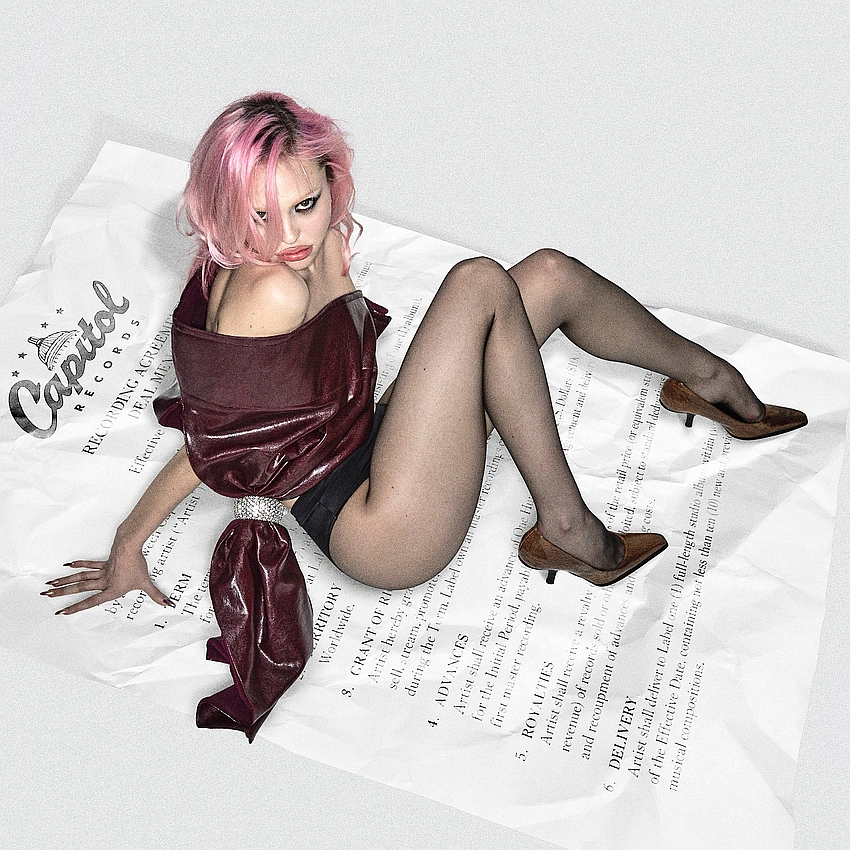
She has described her songwriting as “exaggerated” and theatrical, deliberately heightening reality rather than merely transcribing it. This self-aware performance of drama turns what was once weaponised against her into artistic material. She is not resisting narrative; she is commandeering it.
The Rise of the IT Girl
The IT Girl is another archetype, just as constructed as the mean girl. She is the figure everyone talks about, half-admired, half-envied, always visible. What distinguishes Adéla’s IT Girl era is that she earned it not through pristine branding but through resilience. She faced backlash, memes, hostile edits, and instead of apologising into obscurity, she sharpened her edges.
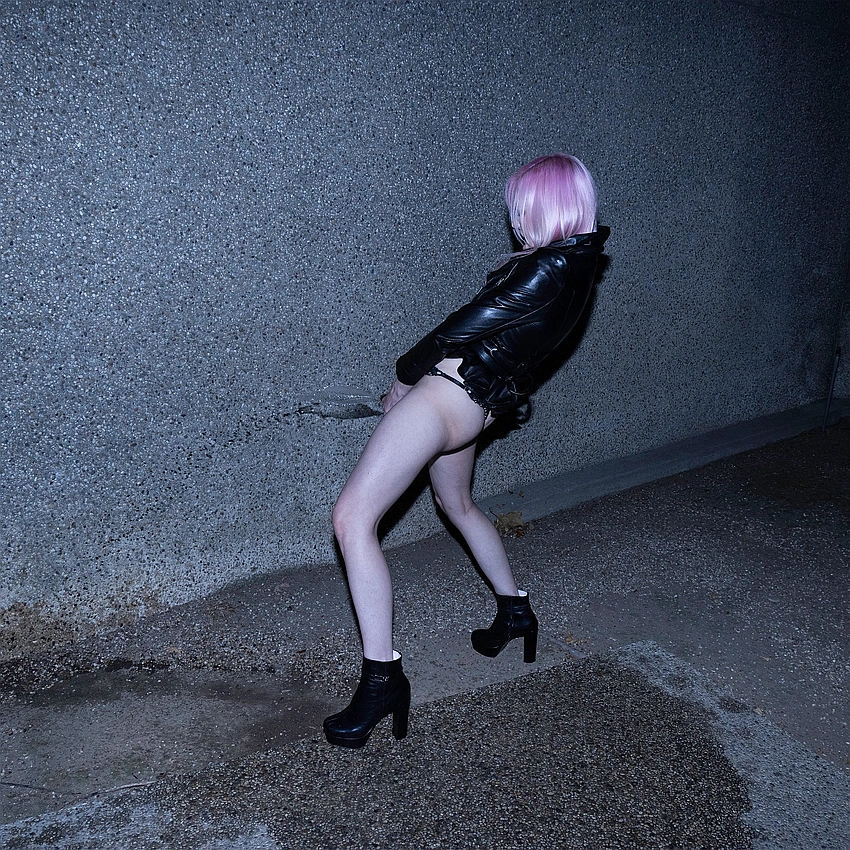
In 2025, she signed with Capitol Records, released her EP The Provocateur, and began to occupy the space not of a contestant but of a creator. The IT Girl, in her case, is not an untouchable muse but a visible, vulnerable artist who has turned misrepresentation into momentum.
There is something almost novelistic about the transformation. The “mean girl” was a chapter, but not the novel. The IT Girl is not a conclusion either, but another frame through which we watch her grow.
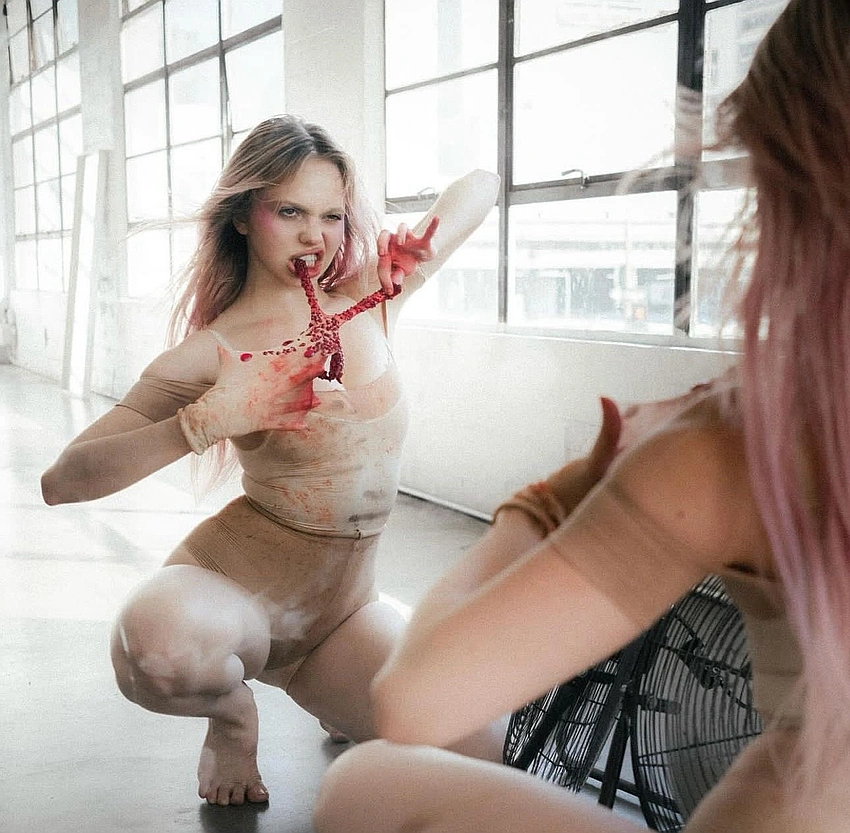
For me, Adéla’s trajectory is proof that archetypes, whether “mean girl” or “IT girl”, are never static. They are imposed, rewritten, contested. The most compelling artists are those who wrest the pen from the narrator and start writing in their own voice.
Adéla has done exactly that. What was once a televised caricature is now a self-crafted persona, theatrical and knowing. And whether you like her or not, you cannot look away.
#AdélaJergová #DreamAcademy #RealityTV #TVDrama #BehindTheScenes #Katseye #TheProvocator
