SC scrutiny as NCERT weighs removing Class 8 chapter on judicial corruption

SC scrutiny as NCERT weighs removing Class 8 chapter on judicial corruption
Supreme Court steps in after objections to a Class 8 NCERT chapter on judiciary, with talks of removing the contentious portions amid debates on data and context.
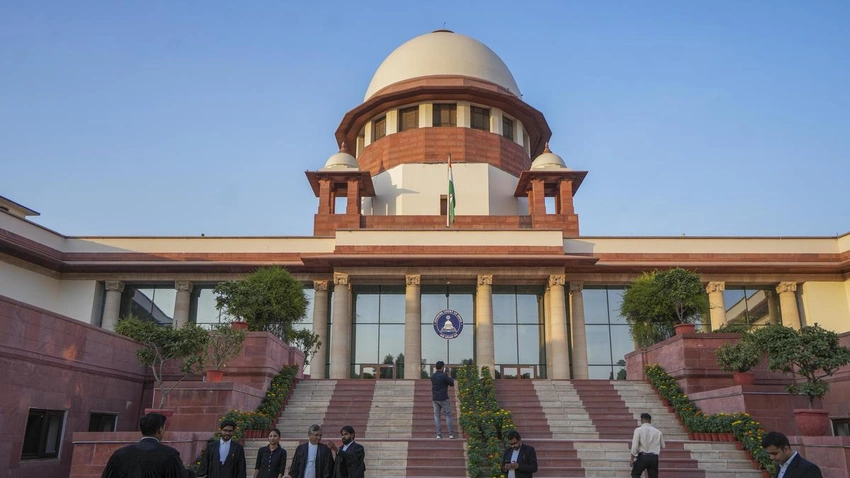
A major curriculum debate is unfolding as the Supreme Court took suo motu cognisance of a Class 8 social science chapter that describes corruption in the judiciary and the functioning of courts. The chapter, included in the NCERT textbook, has drawn fire over passages that discuss case backlogs, the number of judges, and even quotes attributed to a former Chief Justice. The NCERT has already pulled the new textbook from its website as the matter is reviewed.
Officials say the government hasn’t finalized which parts, if any, will be retained and that the bench is examining the balance between presenting challenges in the judiciary and maintaining a careful, factual portrayal for students. The case involves concerns that the wording could be misinterpreted and that a contextualized discussion requires precise sourcing and framing.
The controversy centers on whether data about corruption or inefficiencies should be used to illustrate wider issues in the judiciary, and on whether quotes were taken out of context. The former Chief Justice quoted in the text is reported to be unhappy about how his remarks were presented. At the heart of the discussion is how to teach young learners about governance, accountability, and the rule of law without sensationalizing or politicizing the judiciary.
Government sources have indicated that data on corruption and judiciary performance already exists in parliamentary records and the national judicial data grid, and that cross-verification by the law ministry was not completed in this instance. Media reports have noted the existence of broader debates around reform and transparency in the judiciary, and education authorities are weighing whether a revised chapter could meet educational goals while avoiding misinterpretation.
As this review continues, educators, policymakers, and students are watching closely. The outcome could set a precedent for how future curricular content tackles complex, sensitive topics like judicial integrity. The incident underscores the ongoing challenge of balancing critical inquiry in classrooms with the need for accuracy, context, and responsible portrayal of institutions that shape public life.
