Why Does Queer People Love Horror?

Why Does Queer People Love Horror?
Why Does Queer People Love Horror?
Explore how horror hid queer meanings under censorship—through vampiric motifs, doubles, and cross-dressing—and what these coded stories reveal about queer life on screen.
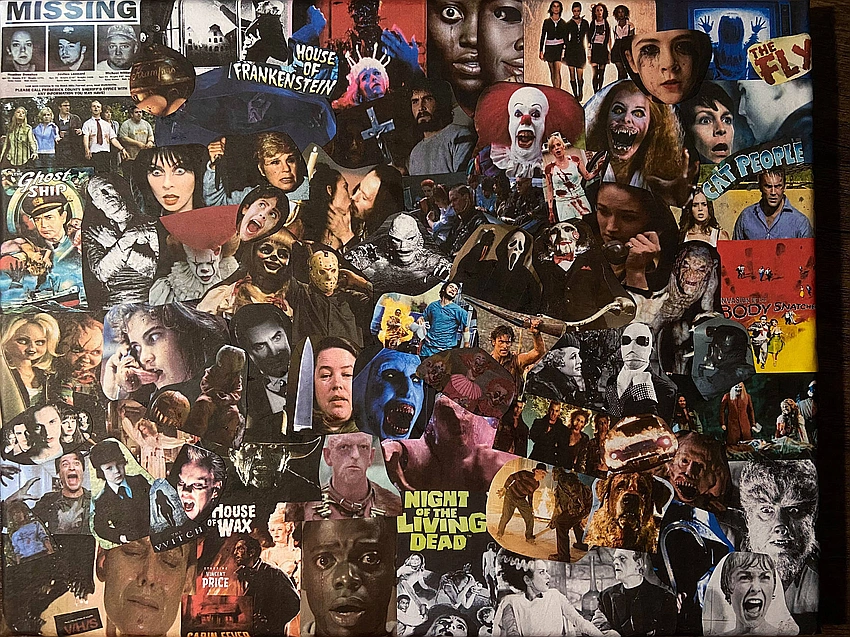
Horror has always been a genre of outsized feeling: extremes of fear, desire, shame and rupture made visible. For many queer viewers those extremes read less as spectacle and more as a strangely candid mirror. When a monster is othered by a frightened community, when a body is punished for transgression, when desire has to be hidden or coded, these are not merely plot mechanics. They map onto lived experience. This is not speculation so much as a recurring interpretive frame critics and historians have traced in the cinema of the twentieth century and beyond.
Coding, censorship and queer survival
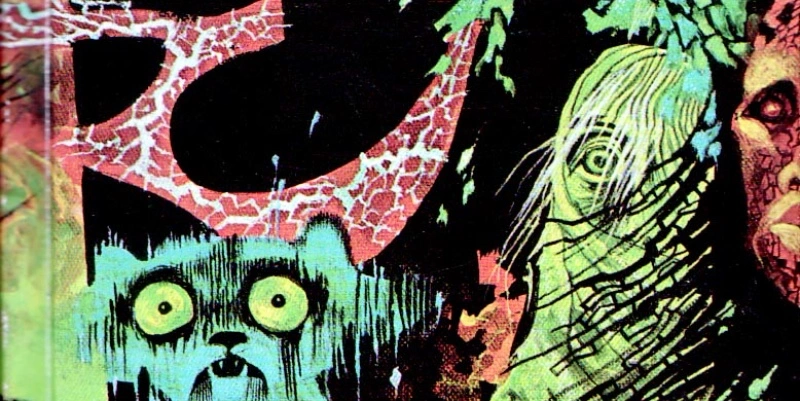
If you look at Hollywood under censorship regimes such as the Production Code, queer meanings were often forced underground and had to survive as subtext: hints of longing, mannered gestures, recurrent motifs (vampirism, doubles, cross-dressing) that signalled otherness without naming it. Those strategies of sly implication, camped excess, aesthetic displacement created a language that queer audiences have long learned to read. Film historians and activists who catalogued this history emphasise how coded representations could be both limiting and perversely liberating: limiting because they rendered queer lives as metaphor; liberating because the same metaphors formed a shared archive of recognition.
Pleasure in identification and transgression
There is, then, pleasure in identification. To recognise a transgressive longing in a monster or a misfit is to find company across time and genre. But queer spectatorship often enjoys a second, more mischievous pleasure: the enjoyment of transgression itself. Horror thrives on boundary-breaking: the nocturnal becomes public, the repressed returns, the safe domestic space collapses. Those reversals enact a liberation from normative symbolism as a sanctioned moment in which what is normally forbidden is sensationally performed. The gothic’s insistence on liminality (thresholds, doorways, doppelgängers) dovetails neatly with queer theory’s interest in nonnormative structures of identity.
Affect and the politics of fear
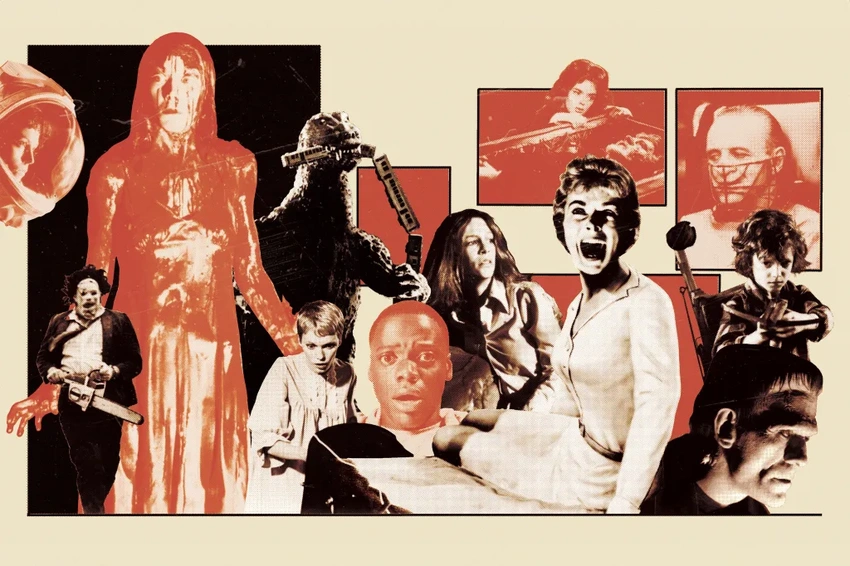
Queer horror is rarely mere melodrama; it is political feeling. For communities who have been pathologised, policed or shamed, fear is not an abstract mood but a civic condition. Films that dramatise panic, persecution or moral panic can therefore act as a conduit for collective processing. At the same time, many contemporary queer filmmakers invert the relation of victim and monster, making the formerly monstrous subject the agent of narrative authority and so convert fear into critique. That shift is visible not only in academic accounts but in a growing corpus of queer-authored genre work, which deliberately refuses to be either purely tragic or simply camp.
Camp, style and ecstatic aesthetics
Camp is the other side of the same coin. Horror and camp share an appetite for exaggeration, artifice and theatricality: the perfect screaming close-up, the baroque set-piece, the deliciously overwrought villain. For many queer viewers, camp registers as pleasurable skill. It is an aesthetic mode that has always allowed deviance to glitter. Where realist representation can feel thin or didactic, horror’s stylised excess gives room for identity to be performative, reworked and relished. Contemporary critics and cultural writers have repeatedly linked this formal kinship to the strength of queer fandoms around horror properties.
Community and fandom
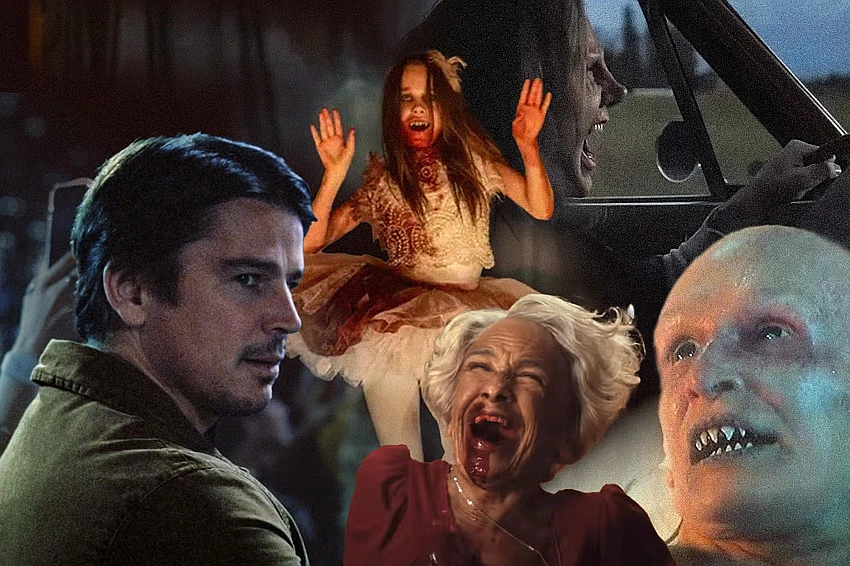
Beyond identification and style, horror generates community. Midnight screenings, drag takes on horror icons, essayistic re-readings and fannish subcultures make the genre a site of ritualised belonging. When audiences gather to watch a film that dramatizes alienation, they transform solitary dread into a shared, even comic, experience. This social axis is as important as theory: the genre produces spaces where queer joy and horror coexist, where political marginality does not preclude exuberant communal life.
Complexity over cliché
Perhaps the most important thing to say is that the queer attachment to horror resists simple explanation. It is not merely taste or trauma, camp or politics; it is a composite: historical memory, coded recognition, aesthetic pleasure and collective ritual braided together. Scholars and film historians have shown how the genre’s forms were shaped by cultural anxieties and how queer audiences retool those forms into sources of identification and delight. If horror offers refuge, it is a strange, liminal refuge. A place where the monstrous becomes intelligible, and where being out on the margins can be turned into a language worth learning.
#HorrorCinema #QueerFilm #Censorship #QueerHistory #FilmStudies
