Ragebait Economy: Internet’s Most Profitable Revenue Poison

Ragebait Economy: Internet’s Most Profitable Revenue Poison
Ragebait Economy: Internet’s Most Profitable Revenue Poison
In today’s digital culture, rage-bait fuels clicks and profits, turning anger into a currency. This piece explains how algorithms reward outrage, the psychology of moral certainty, and the costs of online harassment.
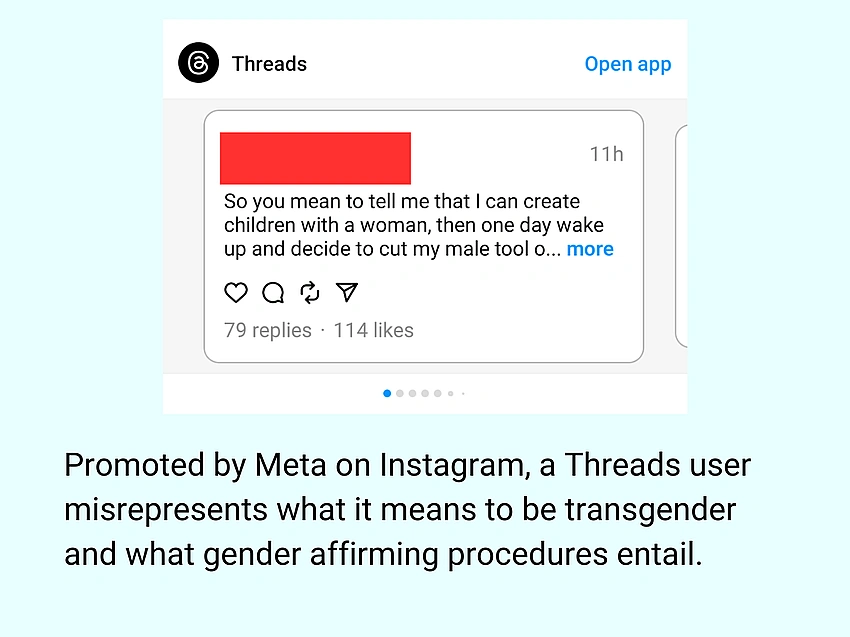
We now live in a cultural moment where rage is not only visible but monetisable. The more people are angry, the more the algorithms reward it. Rage-bait, meaning content designed specifically to anger viewers for clicks and interaction, has become a tactic rather than an accident. But this is not passive frustration. It is structured, engineered and economically incentivised.
And the consequences are corrosive. Unlike sexualised content, which often remains at the surface level of aesthetics or desire, rage-bait drills into moral certainty, humiliation and tribal warfare. It actively asks you to pick a side, shame someone, cancel someone, or expose someone. Anger becomes not a reaction but a product.
Harassment as Currency
The most obvious fallout of rage-bait is harassment. Studies on social media toxicity show how outrage-fuelled posts are consistently linked with higher instances of threats, insults and mob pile-ons. When creators or public figures become targets, the audience is encouraged, either subtly or overtly, to “call them out,” “destroy them,” or “teach them a lesson.”
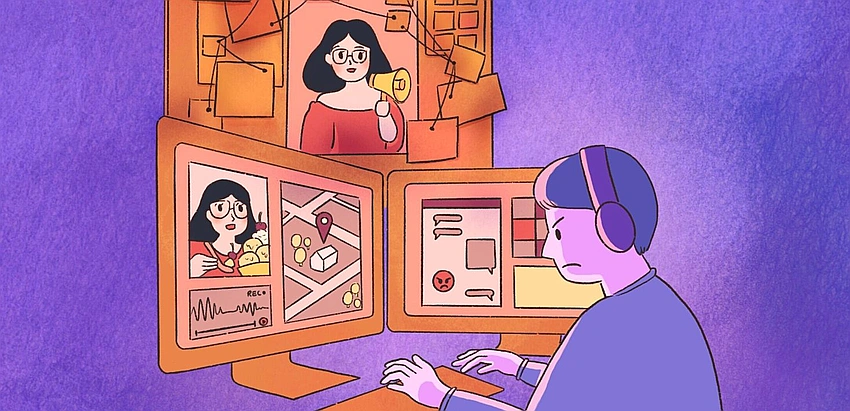
Platforms benefit from this storm of comments, shares and quote-tweets. So the harassment continues unchecked because it keeps people online for longer. The victim’s emotional cost does not matter; only the engagement metrics do. Rage-bait creates not dialogue but digital hunting grounds.
Truth is Optional, Virality is Not
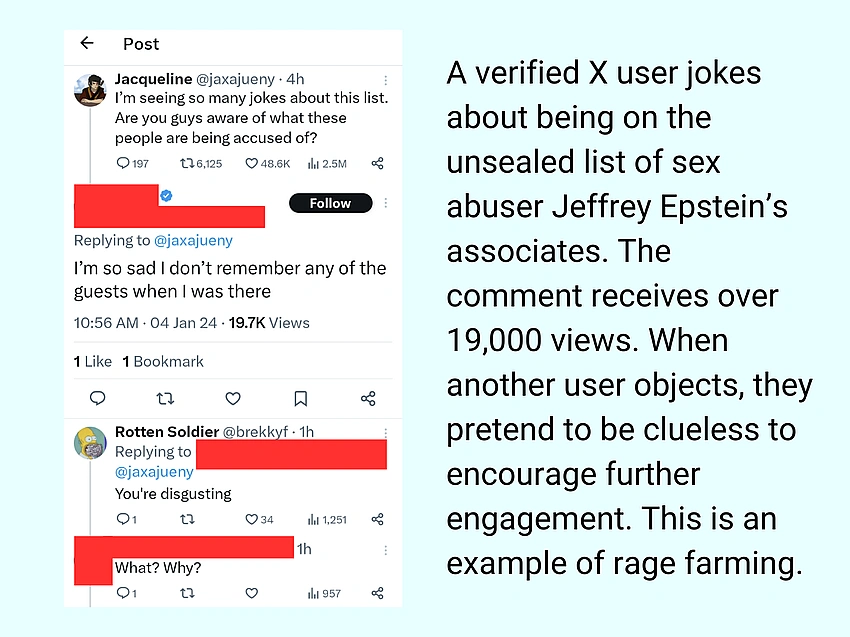
Rage-bait depends on oversimplification or distortion. A sentence is clipped from context, a video is edited, a headline is exaggerated. Emotional clickbait research shows that misleading or exaggerated headlines spread faster because they provoke stronger emotional reactions, especially anger.

The truth becomes secondary to reaction. Nuance dies. A complex argument is reduced to a villain and a victim. Falsification thrives because it is profitable to be dramatic rather than accurate. In this way, rage-bait becomes a quiet enemy of reasoned discourse.
Selling Out to Stay Relevant
Another quiet tragedy is how creators become sellouts to survive. Rage is easier to monetise than sincerity. Many influencers, journalists and even academics admit to shaping their content to trigger outrage because it guarantees visibility. If they refuse, their work disappears in the void of the algorithm.
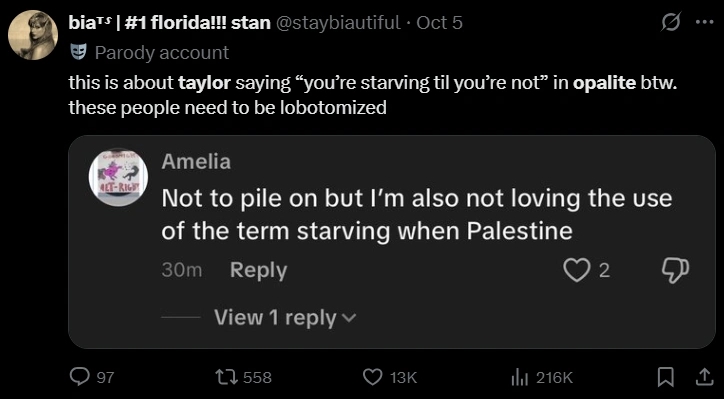
The incentive structure shifts from authenticity to antagonism. Some creators who once discussed art, philosophy or literature now manufacture cultural wars to stay in the feed. Outrage becomes a brand. And the individual behind it becomes a product.
Smear Campaigns and Digital Witch Hunts
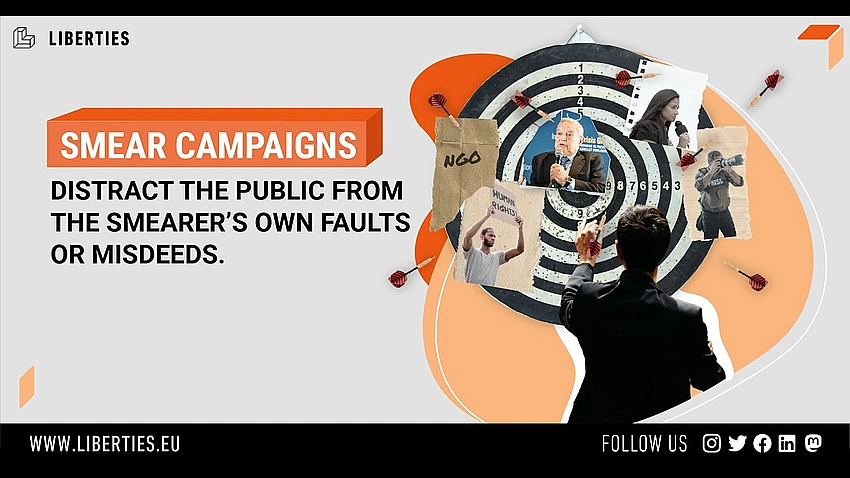
Rage-bait is also the perfect breeding ground for smear campaigns. A rumour spreads, a clip is taken out of context, and before verification can catch up, reputations are ruined. Sensationalism historically thrived on exaggeration to attract readers. In its modern digital form, it is faster, more brutal and less accountable.
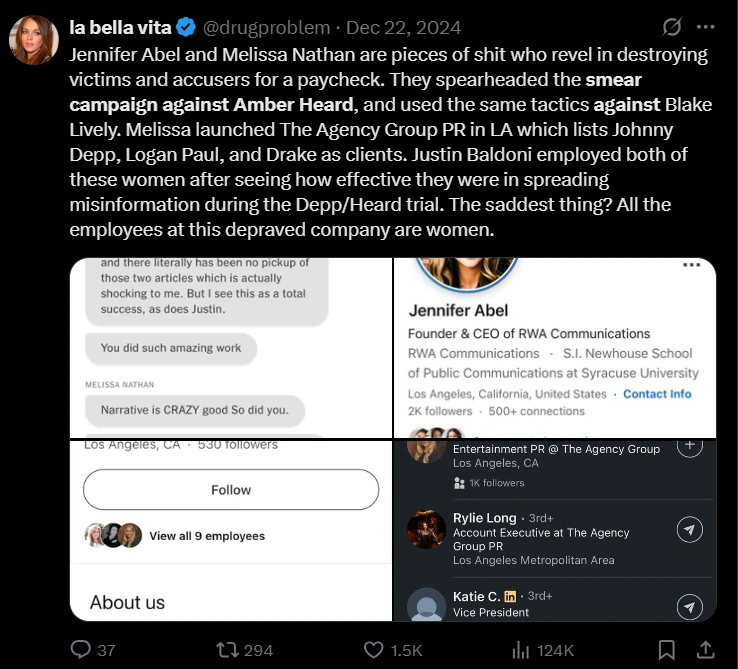
People are no longer just criticised. They are publicly shamed, doxxed or labelled as morally corrupt. The internet becomes a coliseum where public humiliation is entertainment. The problem is not just that lies spread quickly, but that apologies or corrections rarely travel as far.
The Cost to Culture and Conversation
From a literary perspective, this shift signals an erosion of discourse. Rage-bait operates on binaries: good versus evil, us versus them. But literature, like any serious cultural conversation, lives in complexity. It requires pause, ambiguity, and empathy. Outrage culture cancels these in favour of instant judgment.
Where sex once functioned as transgressive or introspective in literature, now outrage has taken its place as the main cultural stimulant. But it reduces the world into caricatures rather than characters. It values volume rather than vulnerability.
Why This Matters for Us
For those of us studying culture, stories and language, this is not just an internet problem. It is a narrative problem. When rage pays, the stories we tell shift. Writers start asking, not “What is true?” but “What will provoke the most?” Readers become conditioned to skim for conflict rather than meaning.
As consumers, we must recognise that our anger is being harvested. As creators, we must ask if visibility is worth the loss of integrity.

Yes, in today’s world rage pays and sex does not, or at least not like it used to. But the cultural cost is enormous. When anger becomes marketable, empathy becomes irrelevant. We risk becoming a society fluent in outrage but illiterate in compassion.
So perhaps the real resistance is not silence, but sincerity. To read slowly, to think before sharing, to refuse to turn people into hashtags for sport. Rage may pay, but it will bankrupt us in every other way.
#RageBait #OutrageEconomy #ToxicTech #OnlineHarassment #DigitalCulture #SmearCampaigns
