India Tunnel Tragedy: Toxic Gas Hinders Rescue for 13 Trapped Workers

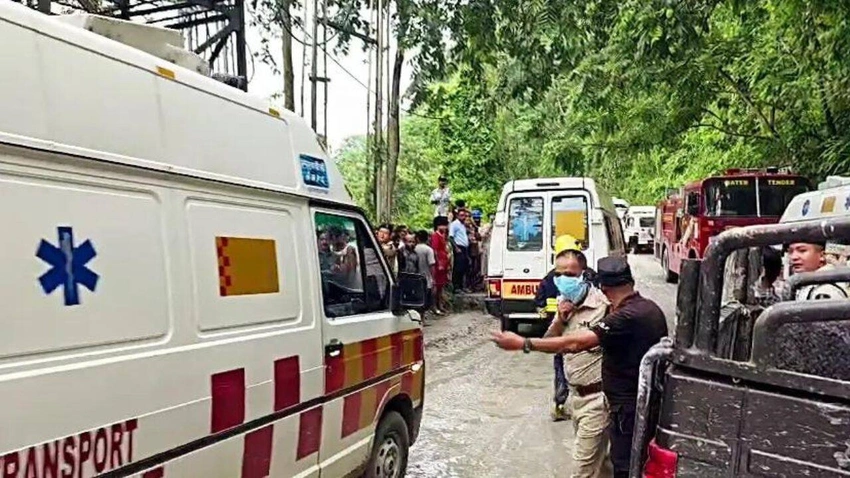
India Tunnel Tragedy: Toxic Gas Hinders Rescue for 13 Trapped Workers
A devastating tunnel disaster in Sikkim, India, leaves workers trapped and feared dead. Rescue efforts battle toxic gases. Stay updated on this unfolding tragedy.
A tragic incident has unfolded in India's northeastern state of Sikkim, where a tunnel collapse and explosion at an under-construction hydropower project has left at least 13 workers trapped and rescue operations severely hampered by toxic gases. The disaster has already claimed the lives of at least 12 individuals, with concerns rising for those still unaccounted for.
The incident occurred inside a tunnel linked to a major hydroelectric project in the Namchi district. Details remain grim, with initial reports suggesting an explosion triggered the collapse, while other accounts point to a landslide blocking the entrance and potentially causing a gas leak. Regardless of the precise trigger, the aftermath has created an extremely hazardous environment for rescue teams.
Emergency services, including specialized disaster response units, have been working tirelessly since the calamity struck. However, the presence of dangerous toxic gases, suspected to be methane or carbon monoxide, has made it incredibly difficult and perilous for rescuers to access the deeper sections of the tunnel where workers are believed to be trapped. Teams are operating with extreme caution, utilizing gas detection equipment and ventilation systems to create a safer passage.
Local authorities have mobilized all available resources, but the remote and challenging terrain of the Himalayan region adds another layer of complexity to the rescue mission. Families of the trapped and missing workers are enduring an agonizing wait for any news, as hope dwindles with each passing hour. The exact number of people inside the tunnel at the time of the incident has been subject to varying reports, with some sources indicating as many as 17 missing, and death tolls ranging from 7 to 12. However, the current focus remains on reaching the 13 individuals still believed to be alive and trapped.
Investigations into the cause of the explosion and collapse are expected to commence once the immediate rescue efforts conclude. This disaster underscores the inherent risks associated with large-scale infrastructure projects in challenging geological conditions, and raises questions about safety protocols and emergency preparedness.
