Publishers sue Meta, Zuckerberg over AI training on books

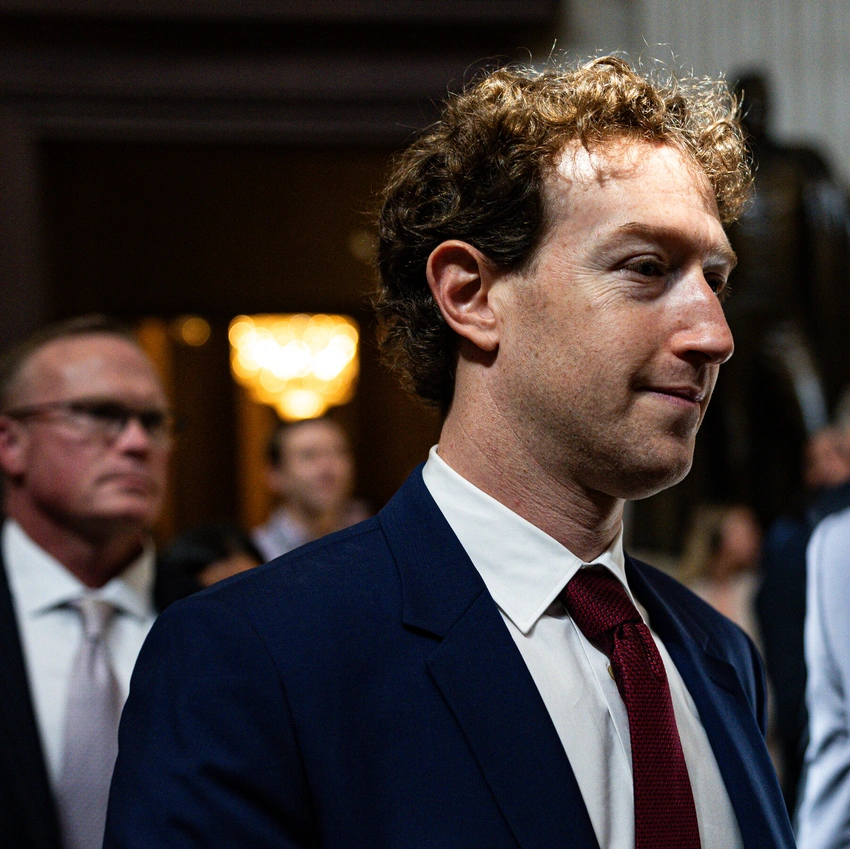
Publishers sue Meta, Zuckerberg over AI training on books
Five publishers and author Scott Turow sue Meta and Mark Zuckerberg, alleging personal authorization of copyright infringement to train AI on copyrighted works.
A coalition of five publishing houses and author Scott Turow filed a class-action in a New York federal court, accusing Meta and its chief executive Mark Zuckerberg of copyright infringement for using copyrighted works to train its AI systems without permission. The suit contends that vast swaths of books, articles, and other protected material were copied to improve Meta’s AI, a strategy the plaintiffs describe as part of an escalating arms race in artificial intelligence.
Plaintiffs allege that Zuckerberg personally authorized and actively encouraged the approach, underscoring the stakes with the assertion that the company built its training corpus by copying works on a mass scale. The complaint targets Meta as a corporate actor and Zuckerberg as an individual, moving the dispute beyond typical corporate liability claims and into questions of leadership responsibility for algorithmic training practices.
Five publishers join author Scott Turow in seeking damages and an injunction to prevent further use of the works in question, arguing that unauthorized training deprives authors and publishers of licensing revenue and undermines the incentive system for copyrighted content. The suit also signals broader tensions between creators and tech platforms over how training data is sourced and how copyright law should apply to AI systems.
Legal analysts say the case could force clearer licensing norms for AI training and potentially reshape how tech firms source data for commercial AI models. While Meta has not publicly detailed its position in this filing, the lawsuit adds to a growing wave of litigation challenging how AI developers obtain legally protected material. The outcome could influence not just Meta but the broader AI industry and authors’ rights in the digital age.
