Bangladesh: BNP Wins Big as Tarique Rahman Seals Landslide Return

Bangladesh: BNP Wins Big as Tarique Rahman Seals Landslide Return
BNP storms back to power in a landslide, reshaping Bangladesh's political landscape as Tarique Rahman takes the helm and analysts warn tensions may linger.
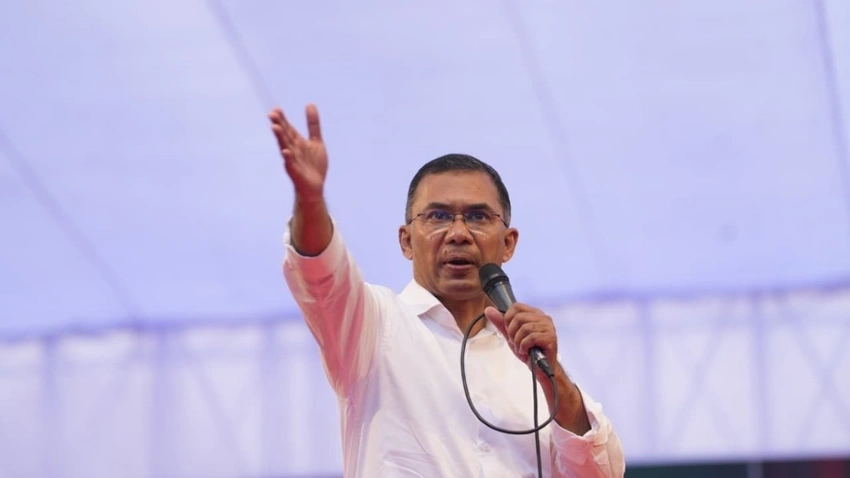
The Bangladesh Nationalist Party (BNP) has secured a decisive mandate, signaling a watershed political realignment after months of unrest that led to the fall of the previous government. Unofficial results from 297 constituencies put the BNP at 208 seats, with allied parties contributing to a broader majority that positions the BNP to form the next government. The Jamaat-e-Islami party won 68 seats, marking a significant though secondary presence in the new Parliament. The moment marks the BNP’s return to power after two decades, ending a long period of dominance by rivals and underscoring voter appetite for change amid economic anxieties and governance concerns. Party chairman Tarique Rahman, publicly addressing supporters outside his residence ahead of Friday prayers, thanked them for delivering what he described as an overwhelming mandate and called on the nation to pray as the party prepares to take office.
Observers across the region describe the result as a democratic reset and a signal about the country’s political direction. Analysts highlight the role of women voters, particularly in Bangladesh’s vast garment sector, in reshaping political expectations and potentially weakening hardline messaging. The new administration faces the task of balancing national interests with public welfare while navigating delicate regional dynamics, including relations with India. Some voices warn that tensions among former allies may persist beneath the surface even as the BNP seeks to set a new course. The BNP is also described as prioritizing a broader national agenda, with discussions in regional capitals focusing on economic reform, governance improvements, and the handling of domestic concerns that helped propel the election outcome.
Looking ahead, the party has signaled a willingness to address longstanding issues and pursue policies aimed at bolstering growth and stability. Yet observers caution that managing expectations will be crucial, as the political landscape evolves and new priorities emerge in the weeks and months ahead. The election result is expected to redefine Bangladesh’s domestic and regional posture, reshaping how the country engages with its neighbors and international partners while charting a new path for its governance trajectory.
