McDonald’s Predicts Your Next Fry Fix: Is Your Loyalty a Liability?

McDonald’s Predicts Your Next Fry Fix: Is Your Loyalty a Liability?
Your loyalty card might offer deals, but it's also fueling extensive data profiles. One customer received a 515-page file detailing habits and predicting future purchases. Discover the hidden cost of convenience.
We all love a good deal, don't we? That little discount on your morning coffee or a free side with your burger. Loyalty programs are designed to give us just that, a sprinkle of savings in exchange for... well, what exactly?
Many of us sign up without a second thought, eager for the immediate gratification.
But what if that seemingly innocent loyalty card is actually compiling an incredibly detailed profile of your habits, down to predicting your next purchase before you even know it yourself?
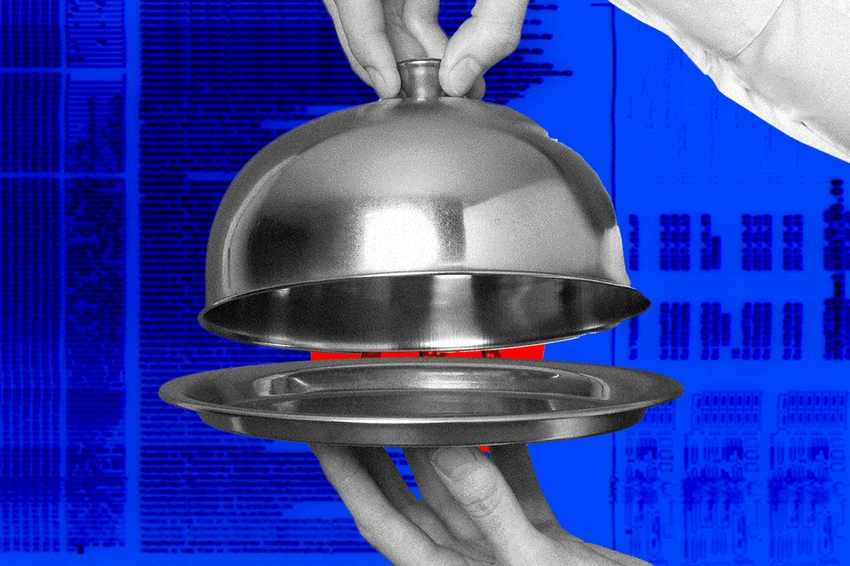
Consider this: one customer recently discovered that by signing up for a fast-food app's loyalty program, they had unwittingly contributed to a sprawling 515-page data file about themselves. Yes, you read that right, five hundred and fifteen pages, meticulously detailing their interactions, preferences, and even algorithmically predicting their future behavior.
It included projections like an 'Estimated Number of Visits During the Next 6 Weeks' of 2.16, effectively telling them how many times the company expected them to return.
This isn't an isolated incident or a fringe experiment. What might feel intensely personal and even a little invasive to us is, for many large corporations, standard operating procedure.
As Jeff Chester, executive director at the Center for Digital Democracy, aptly puts it, the 'secret sauce' behind many of these loyalty programs is nothing less than 'commercial surveillance.' Companies aren't just recording your past purchases; they're using sophisticated predictive models to understand your patterns, anticipate your desires, and ultimately, influence your future spending.
Think about the implications. Every time you scan that card or use that app, you're feeding data points into a system designed to optimize your spending with that brand. They know what you buy, when you buy it, how often, and even what you might buy next.
This level of insight allows them to craft hyper-personalized promotions, optimize store layouts, and even manage inventory more efficiently, all based on your data.
The convenience is undeniable, but the trade-off is often opaque.
Many people don't fully grasp the extent to which their data is being aggregated and used in these predictive models. While consumer rights initiatives are emerging, giving individuals the ability to request their data, the sheer volume and complexity of the information often render it difficult for the average person to parse.
So, the next time you're offered a loyalty perk, pause for a moment. That free fry or discounted coffee might come with an unseen cost: a permanent, evolving digital dossier tracking your every craving. It's a powerful tool for businesses, but for the consumer, it raises fundamental questions about privacy in our increasingly digitized world.
Is the convenience worth the constant, algorithmic gaze?
It's a question we all need to ask ourselves as we navigate the digital drive-thru.
