SC Rules on Voter Lists: Being Removed Doesn't Mean You Lose Citizenship

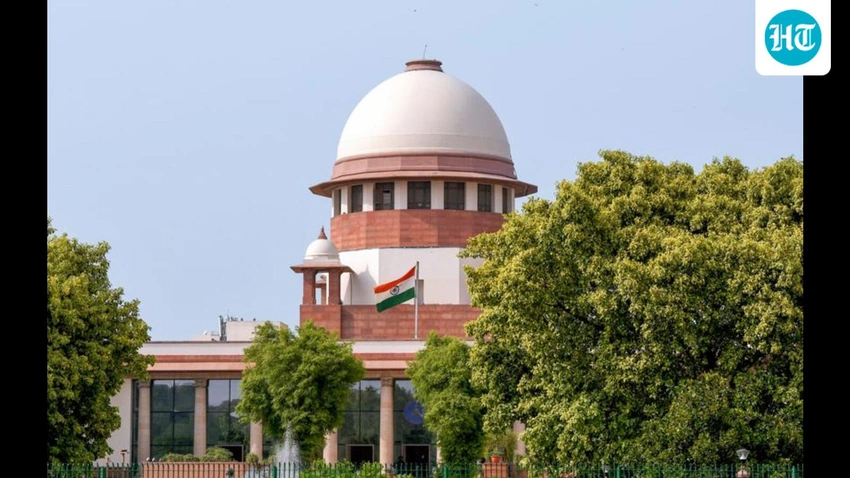
SC Rules on Voter Lists: Being Removed Doesn't Mean You Lose Citizenship
The Supreme Court upholds the Election Commission's voter list revision but clarifies that exclusion doesn't end citizenship. Get the full details of this major ruling here.
The Supreme Court of India has delivered a landmark judgment regarding how voter lists are updated across the country. In a recent ruling, the court upheld the validity of the Special Intensive Revision, or SIR, which is an exercise conducted by the Election Commission of India. This decision confirms that the measures taken by the poll panel to clean up and verify voter lists are legitimate and necessary for maintaining the integrity of the electoral process.
A bench led by Chief Justice of India Surya Kant and Justice Joymalya Bagchi explained that this intensive revision was not just a bureaucratic task. Instead, it was a vital step to keep up with massive demographic shifts, rapid urbanization, and large-scale migration that India has seen in recent years. The court noted that free and fair elections can only happen if the electoral rolls are accurate and credible, and the SIR helps breathe life into that constitutional mandate.
One of the most significant takeaways from the judgment is the court's clarification on citizenship. Many people were worried that being left off the SIR electoral roll might mean they are no longer considered Indian citizens. However, the Supreme Court was very clear on this: exclusion from the voter list does not mean a person’s citizenship has come to an end. Those excluded should be dealt with according to the law, but their status as a citizen is not automatically terminated by a missing name on a polling list.
The court further clarified that while the Election Commission has the power to examine citizenship status, this power is strictly limited. They can only do so to decide whether a person should be included in or removed from the voter rolls for the purpose of voting. It is not an impermissible assumption of citizenship adjudication powers. Essentially, the ECI looks at citizenship only to determine eligibility to vote, not to decide someone's legal identity as a national.
In its ruling, the bench emphasized that the SIR process followed the statutory framework and included adequate procedural safeguards. This means that while the Election Commission has the authority to ensure that only eligible voters are on the list, there are rules in place to protect the rights of individuals. This ruling provides a much-needed balance between maintaining strict electoral integrity and protecting the fundamental rights of the people.
['#SupremeCourt', '#VoterList', '#IndiaElections', '#SIRRuling']
