The New Office Boss: Are You Ready to Let AI Plan Your Entire Workday?

The New Office Boss: Are You Ready to Let AI Plan Your Entire Workday?
AI is moving from answering questions to executing complex work. But if agents start planning our workflows, where does that leave human control? Explore the rise of the agentic workspace.
The New Office Boss: Are You Ready to Let AI Plan Your Entire Workday?
We have officially entered the second wave of enterprise AI. If the first wave was defined by chatbots that could draft a decent email or summarize a long meeting, the current wave is about something much more provocative: execution.
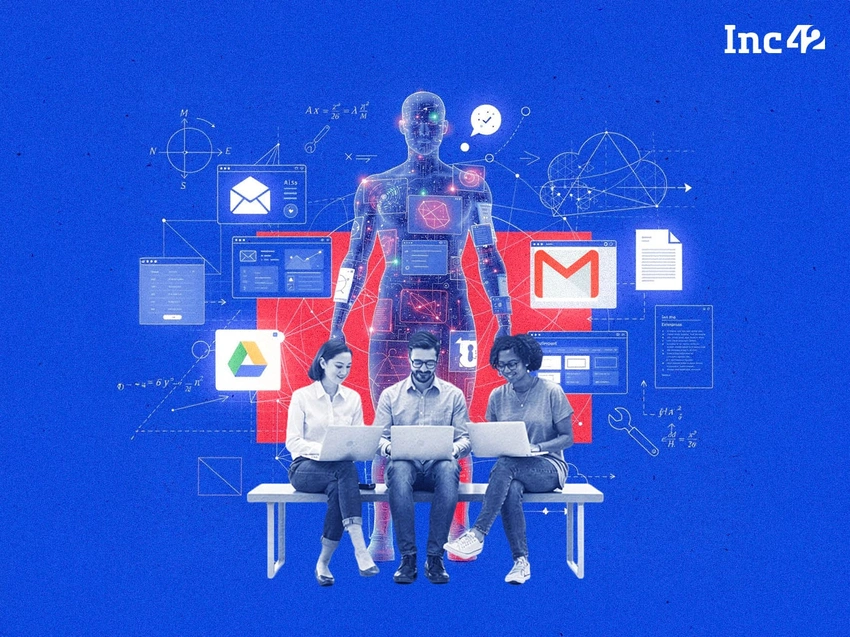
We are seeing the birth of the agentic workspace. This is not just a smarter version of Siri or a slightly better autocomplete. It is a new execution fabric where AI agents are expected to plan, coordinate, and carry out multi-step workflows across your entire tool stack. From Microsoft’s Copilot using real-time signals to build tailored outputs to Google’s agents opening and editing documents autonomously, the line between human worker and software tool is blurring.
From Assistance to Autonomy
The shift is subtle but profound. In the past, you asked the AI to help you. Now, the AI is looking at your unread emails, checking your Teams mentions, and deciding what your next move should be. It is moving from a tool that waits for a prompt to a system that initiates action.
Who Holds the Compass?
This raises a massive question for the modern professional: Should AI agents handle the planning, or should humans keep the reins?
On one hand, the efficiency gains are undeniable. AI can process context faster than any human. It can sync your calendar, project management boards, and communication channels without breaking a sweat. It eliminates the work about work that eats up nearly sixty percent of our day.
On the other hand, planning is a deeply human act. It involves intuition, priority shifting based on subtle office politics, and the ability to say no to a task that looks good on paper but fails in reality. If we outsource the plan to an agent, do we risk becoming mere executors of a machine's logic?
The Middle Ground
The goal should not be to fight the automation of drudgery. Instead, we must define the boundary. AI should be the architect of the workflow, but humans must remain the architects of the intent. We can let agents coordinate the moving parts, but we must never lose our grip on the why behind the work.
The transition to an agent-led workspace might be more consequential than the move to the cloud. As this new layer of technology unfolds, the most valuable skill will not be doing the work, but rather directing the agents that do it for us.
