The Eldest Daughter Tax: I Never Asked to be the Responsible Sibling

The Eldest Daughter Tax: I Never Asked to be the Responsible Sibling
Eldest daughter dives into parentification, the weight of quiet caregiving, and the burnout no one talks about. Are you the responsible one?
The Eldest Daughter Tax: Why I Became the Family Manager
I did not choose to be the person who knows everyone's blood type and the exact location of the property deeds. I did not sign up to be the unofficial therapist for my siblings or the primary caregiver for aging parents. It happened slowly, like a leak in the ceiling that you eventually just stop noticing until the floor is soaked.
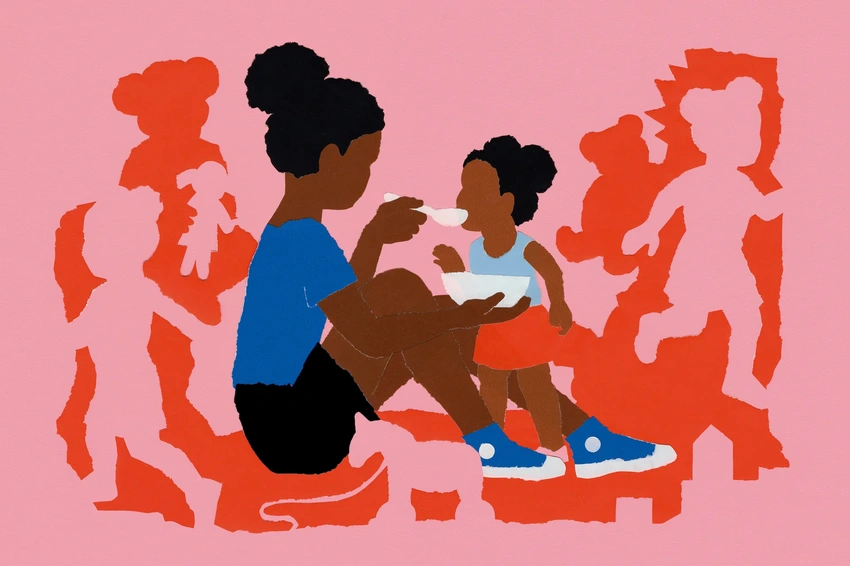
In the world of family systems, we call this parentification. It is a fancy psychology term for a child being forced to take on adult roles. For me, it started with making sure my younger brother did his homework and evolved into managing the complex logistics of our household by the time I was sixteen. I became the responsible child because it felt like the only way to keep the peace.
The Silent Weight of Caregiving
Caregiving is rarely about the big, dramatic moments. It is the quiet, daily grind that wears you down. It is the constant mental load of remembering doctor appointments, managing medication schedules, and navigating the delicate egos of family members who refuse to acknowledge they need help.
Working in HR, I spend my days managing people and systems. When I come home, I do the same thing for my family. There is a specific kind of burnout that comes with this. It is not the kind you can fix with a spa day or a weekend off. It is the exhaustion of being the person everyone relies on, knowing that if you drop the ball, the whole game stops.
Inheritance is More Than Assets
When people talk about inheritance, they usually mean money or jewelry. But the most significant thing I inherited was a legacy of duty. In many cultures, family loyalty is treated as an absolute. You are expected to show up, no matter the cost to your own mental health or career.

But loyalty is not simple. It is tangled with guilt. Whenever I think about setting a boundary, a small voice in my head asks: If I do not do it, who will? My siblings have their own lives, and they have grown comfortable with me being the safety net. By being the responsible one, I accidentally taught everyone else that they did not have to be.
Finding the Manual
I still read essays late at night after the house is finally quiet. I look for words that describe this feeling of being both essential and invisible. I am learning that being a good daughter does not mean I have to be a martyr.
The manual for navigating this does not exist, but we can write our own. It starts with admitting that the weight is heavy. It starts with asking for help, even when it feels like a failure. We owe it to our families to care, but we owe it to ourselves to survive.
