Nvidia Tops $5T Valuation as DeepSeek Tests Huawei-Powered V4

Nvidia Tops $5T Valuation as DeepSeek Tests Huawei-Powered V4
Nvidia's market cap nears $5.3 trillion amid a rally, while DeepSeek unveils Huawei-backed V4 models, challenging US-led AI hardware dominance.
Nvidia has reached a new milestone, with its market capitalization hovering near $5.3 trillion as its stock climbs about 16% for the year after a dip in March. The rally underscores strong investor appetite for AI-enabled growth, even as the broader chip sector experiences churn.
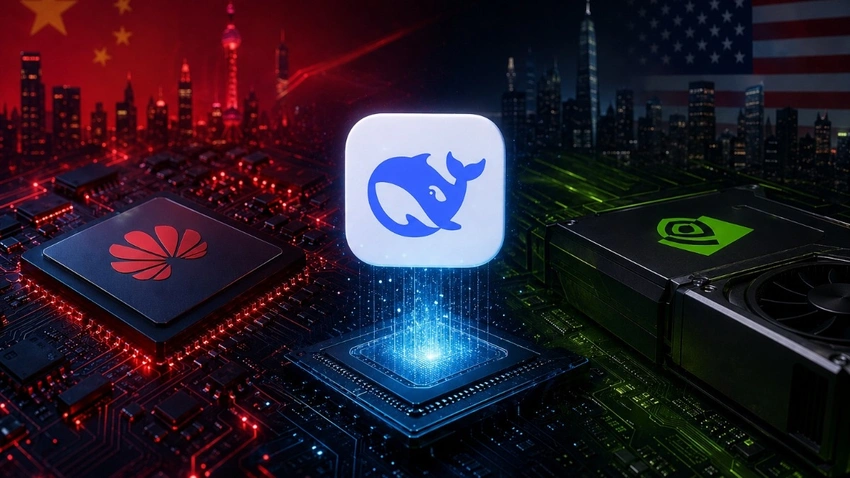
Meanwhile, a rival wave of innovation is unfolding on the other side of the world. DeepSeek has launched its V4 family, including a 1.6 trillion-parameter V4-Pro designed for coding and complex agentic tasks, plus a smaller V4-Flash variant for speed and cost efficiency. What makes V4 notable is that it’s been optimised to run on Huawei Technologies’ domestic chips rather than Nvidia GPUs, marking a strategic shift in China’s AI ecosystem and a clear test of whether it can stand on its own hardware stack.
This move follows DeepSeek’s earlier releases, which helped move markets in 2025 when its R1 model and related developments rattled Nvidia’s valuation. DeepSeek’s push to reduce reliance on American chip technology—an explicit goal as China accelerates its AI ambitions—has drawn pointed remarks from Nvidia CEO Jensen Huang. He warned that if Chinese models are optimised on Huawei chips, it could represent a “horrible outcome” for the US, highlighting the geopolitical edge that chip stacks confer in AI leadership.
Analysts say the V4 release reflects a broader shift toward a more multipolar AI supply chain, with domestic chip stacks becoming increasingly capable. While Nvidia remains dominant in the GPU market and a key driver of AI acceleration, the emergence of Huawei-optimised models signals intensified competition and strategic divergence in how future AI systems are trained and deployed. The market will be watching whether DeepSeek’s approach can translate into sustained performance gains and broader adoption, potentially reshaping the AI hardware landscape in the years ahead.
