Artemis II closes in on lunar loop, first flyby since 1972

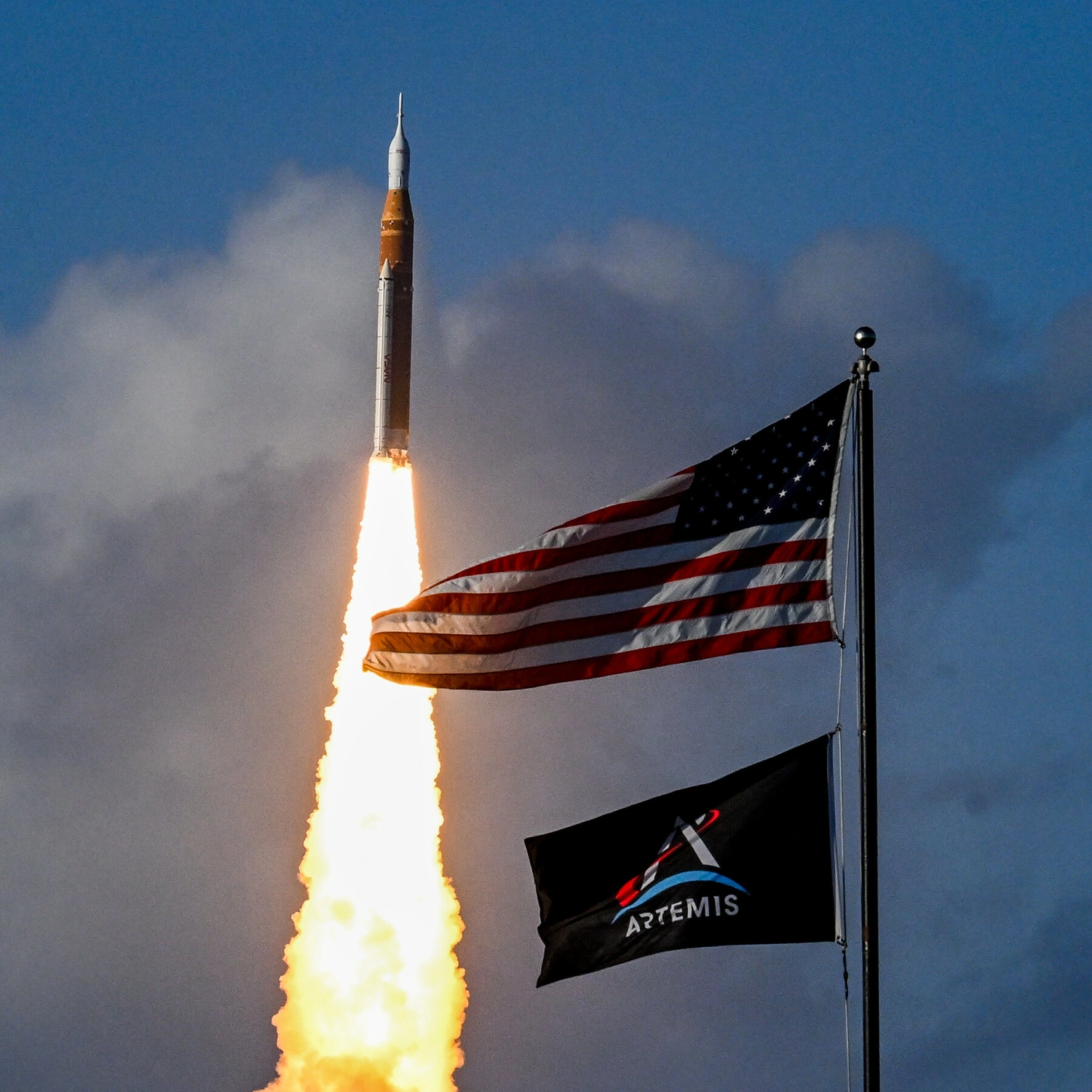
Artemis II closes in on lunar loop, first flyby since 1972
NASA's Artemis II crew is set for a historic lunar flyby, the first since 1972, as they push humanity farther into deep space.
NASA's Artemis II crew is entering the lunar sphere of influence, a tipping point that means the Moon’s gravity is already pulling harder than Earth's. The Orion capsule is set to whip around the Moon, a maneuver that will push the crew farther from home than any humans have gone before.
At about 0442 GMT (10:12 a.m. IST) on Monday, the crew entered the Moon's gravitational influence, hovering about 39,000 miles (63,000 kilometers) from the Moon and roughly 232,000 miles (373,000 kilometers) from Earth, according to NASA's livestream.
The mission is a constellation of firsts: Victor Glover will become the first person of color to orbit the Moon, Christina Koch will be the first woman to do so, and Canadian Jeremy Hansen will be the first non-American to join the feat. Commander Reid Wiseman rounds out the crew.
Much of the flyby will be about eyes and observation, as the crew documents lunar features that have never been seen by people with the naked eye. NASA has released images showing the Orientale basin, a bullseye-shaped crater region on the Moon that will be visible from a new perspective.
The historic flight marks the first time the entire Orientale basin has been seen with human eyes, according to NASA. The mission is a stepping stone toward longer journeys—outposts on the Moon and, eventually, crewed missions to Mars.
