Epstein Files Released: Clinton Photos Stir Fresh Questions

Epstein Files Released: Clinton Photos Stir Fresh Questions
New Epstein files include Clinton-on-plane and other images, renewing calls for transparency as victims push for full disclosure.
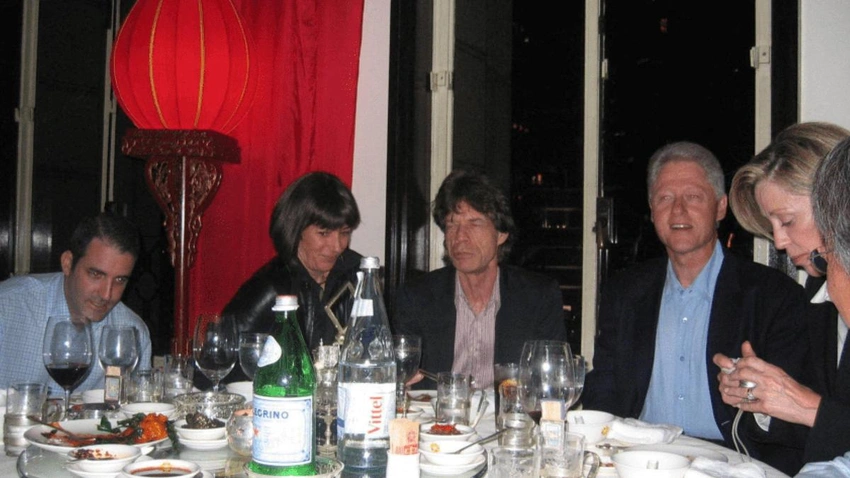
A new batch of Jeffrey Epstein files released by the Justice Department adds a textured layer to the sprawling case, including thousands of documents and photographs tied to Epstein’s network. Among the material are images of prominent figures in social settings with Epstein’s circle, notably a photo of Bill Clinton on a private plane with individuals whose faces were redacted, and other pictures showing him in a pool and in a hot tub. The images suggest Epstein’s circle moved within elite circles for years, prompting fresh questions about how much certain figures knew or knew of the activities associated with Epstein.
Clinton’s team has publicly said the investigation is not about the former president, arguing that Epstein’s crimes involve others and that focusing on the broader context is essential. The release has also sparked a broader media conversation, with White House commentary spotlighting Clinton-related images on social media as part of a wider debate about accountability and transparency in high-profile cases. In parallel, observers note that former presidents and other luminaries appear in the files in ways that recall a time when Epstein’s name was linked to lavish events and exclusive circles.
Victims affected by Epstein’s crimes have voiced frustration with the release, citing heavy redactions that obscure key photos and documents. They say the redactions hinder a clear understanding of the scope of wrongdoing and the degree to which those in Epstein’s orbit may have facilitated or overlooked the abuse. Advocates for victims emphasize the need for full transparency and independent review to ensure accountability.
Analysts point out that the public digitization of Epstein’s personal network exposes how long his influence extended into political and social elites. The ongoing releases, they argue, could pressure institutions to answer longstanding questions about relationships, disclosures, and the line between social privilege and criminal complicity. As more files become public, expectations grow for additional details that could illuminate how much is known and what remains hidden.
While a formal narrative is still taking shape, the episode underscores a broader public demand: that government investigations be conducted with openness and that victims’ voices receive clear, unredacted consideration wherever possible. The coming days are likely to bring further disclosures and, with them, renewed scrutiny of the line between power and accountability.
