House Panel Moves to Hold Clintons in Contempt Over Epstein Probe

House Panel Moves to Hold Clintons in Contempt Over Epstein Probe
A bipartisan committee votes to hold Bill and Hillary Clinton in contempt for not testifying, as the Epstein probe tightens its scrutiny.
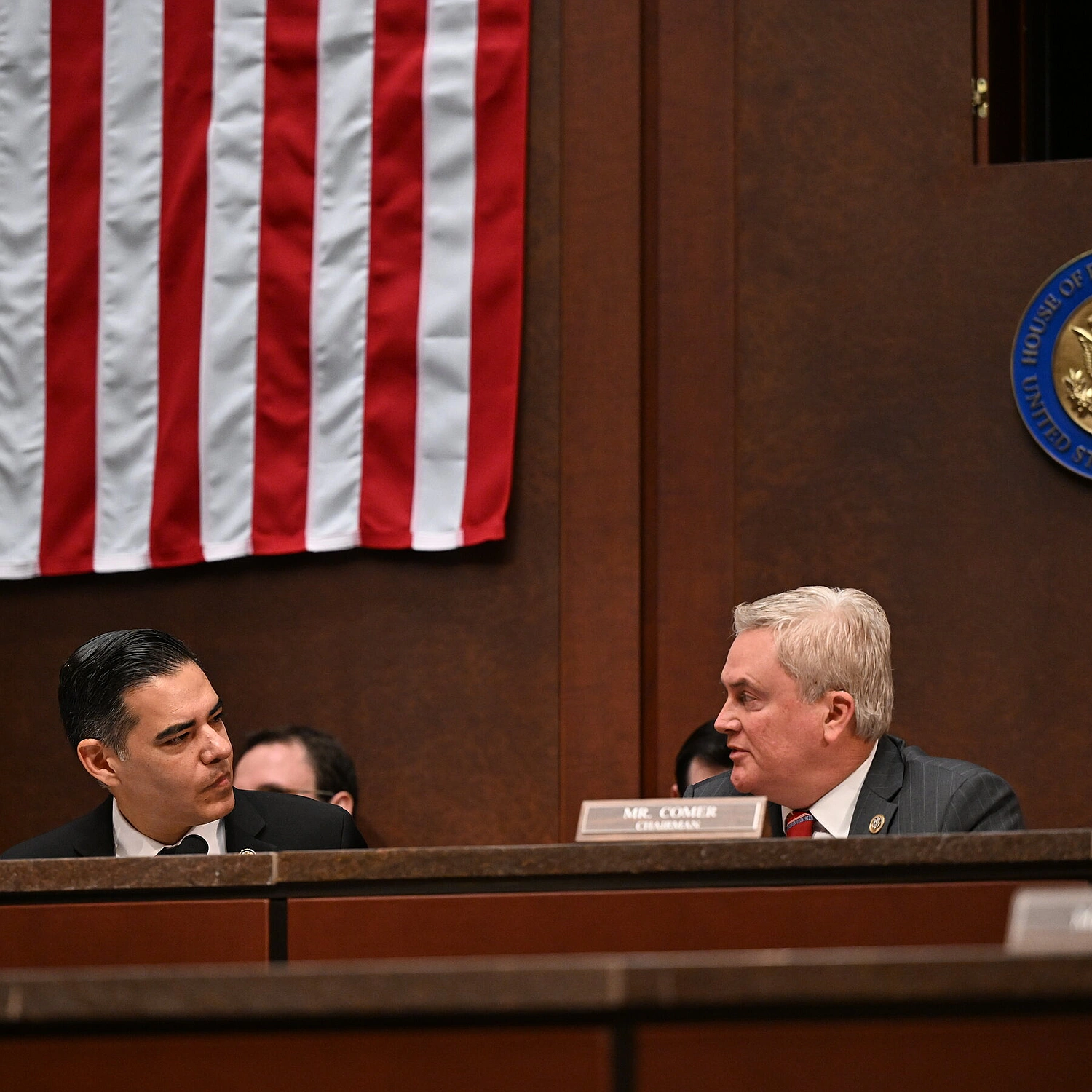
The House Oversight Committee has advanced resolutions to hold Bill and Hillary Clinton in contempt for refusing to testify in its probe related to Jeffrey Epstein. The votes were bipartisan, though many Democrats argued that the charges were excessive given the Clintons’ willingness to answer questions.
The contempt actions focus on the Clintons’ absence from hearings and their failure to provide requested documents or written declarations about interactions with Epstein. The Clintons have repeatedly said they did not know about Epstein’s abuse and have offered written statements describing their past interactions with him. Supporters of the move say the committee must compel testimony and production of documents to illuminate any potential wrongdoing, while critics label it a political maneuver that could chill future cooperation with investigations.
This episode underscores the ongoing tension between congressional oversight and partisan dynamics in Washington. Proponents argue that accountability cannot be sidestepped, especially in a case with wide public interest and past revelations about Epstein’s network. Detractors view the contempt push as a tactic that mirrors partisan games more than a pursuit of facts.
What happens next remains uncertain. Contempt resolutions can lead to penalties and noncompliance could trigger further legal or procedural battles. Legal experts note that enforcement often depends on a series of court decisions and House actions, which could prolong the dispute and keep the Epstein investigation in the public eye. The case is likely to influence public perception of transparency and accountability in Congress, shaping discussions about how far lawmakers should go to compel cooperation from high-profile figures.
Regardless of the outcome, the episode highlights a charged moment in national politics where accountability, procedure, and political theatre intersect in a high-stakes inquiry with broad implications for future oversight.
