Must-Know Saree Care and Maintenance Tips

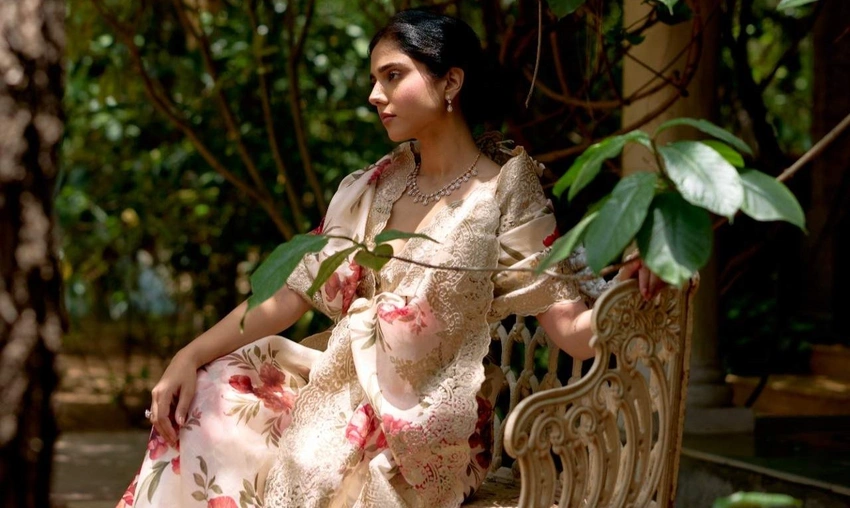
Must-Know Saree Care and Maintenance Tips
Mehr By Annu is your trusted destination to shop premium embroidered sarees online.
A beautifully crafted saree is more than just a garment, it often carries memories, artistry, and timeless elegance. Whether you own festive drapes, heirloom pieces, or contemporary designer collections, proper care can help preserve their beauty for years. From storage techniques to cleaning practices, understanding how to maintain your sarees is essential for protecting both the fabric and the intricate craftsmanship that goes into each piece.
Understand Your Saree Fabric First
Every fabric requires a different approach to care. Silk, georgette, chiffon, organza, cotton, and crepe all react differently to moisture, heat, and storage conditions.
Before cleaning any saree, always check the fabric type and embellishments. Delicate fabrics with handwork, sequins, zari, or thread embroidery often benefit from professional dry cleaning rather than regular washing. Taking a few extra precautions can significantly extend the life of your favorite drapes.
Store Sarees Properly
Storage is one of the most overlooked aspects of saree maintenance.
Here are a few simple practices to follow:
- Fold sarees neatly and refold them every few months to prevent permanent creases.
- Use breathable cotton or muslin covers instead of plastic bags.
- Keep them away from direct sunlight to prevent fading.
- Store in a cool, dry place to avoid moisture damage.
- Place silica gel packets or natural moisture absorbers in your wardrobe during humid seasons.
For heavily embellished pieces and Hand Embroidered Luxury Sarees 🔗, proper storage becomes even more important because embroidery threads and decorative elements can weaken if exposed to excessive humidity.
Dry Clean Delicate Sarees
While some cotton sarees can be hand-washed, sarees featuring embroidery, zari, beadwork, or premium fabrics should generally be dry cleaned.
Professional cleaners understand how to handle delicate materials without damaging the weave or decorative details. Frequent washing at home may cause color bleeding, thread loosening, or fabric distortion.
If a saree is only lightly used, airing it out after wear can help reduce the need for repeated cleaning.
Handle Stains Immediately
The longer a stain remains on fabric, the harder it becomes to remove.
If you accidentally spill food or beverages:
- Blot the stain gently.
- Avoid rubbing the fabric.
- Use a clean cloth to absorb excess liquid.
- Consult a professional cleaner for delicate fabrics.
Home remedies may work on some fabrics but can permanently damage intricate embroidery or specialty dyes.
Protect Embroidery and Embellishments
India is known for its rich textile heritage and diverse decorative techniques. Many artisans continue to create stunning designs inspired by popular saree embroidery styles types india 🔗, including thread work, zardozi, mirror work, and intricate hand embroidery.
To protect embroidered sarees:
- Fold them with soft tissue paper between layers.
- Avoid stacking heavy garments on top.
- Keep embellishments from rubbing against each other.
- Store separately from garments with hooks, zippers, or sharp accessories.
These precautions help maintain the original appearance and prevent snagging.
Air Sarees After Every Wear
Many people immediately place their sarees back into storage after an event. Instead, allow the saree to breathe for a few hours before folding it away.
Hang it in a shaded, well-ventilated area to remove moisture, body heat, and odors. This simple habit helps prevent mildew and keeps fabrics fresh between wears.
Be Careful While Ironing
Excessive heat can damage delicate fabrics and embroidery.
For safe ironing:
- Use low to medium heat settings.
- Turn the saree inside out when possible.
- Place a cotton cloth between the iron and embroidered sections.
- Avoid direct heat on embellishments and zari work.
A steam iron can often provide a gentler alternative for removing wrinkles.
Rotate Your Saree Collection
If you frequently wear the same few pieces, certain sarees may experience more wear than others. Rotating your collection helps distribute usage evenly and allows fabrics to rest between occasions.
This is particularly useful for special garments such as a saaj saree 🔗, which may feature intricate detailing that benefits from occasional rather than constant wear.
Keep Sarees Away from Perfumes
Many fragrances contain chemicals that can affect delicate fabrics and decorative work over time.
Apply perfume and beauty products before dressing, allowing them to dry completely before wearing your saree. This reduces the risk of staining or discoloration.
Preserve Heirloom Pieces with Extra Care
Vintage and heirloom sarees often require additional attention. These treasured garments may contain older dyes, fragile threads, or traditional craftsmanship that can deteriorate if handled incorrectly.
Store them separately, inspect them periodically, and consider professional preservation services for particularly valuable pieces.
Final Thoughts
A well-maintained saree can remain beautiful for decades, becoming a cherished part of your wardrobe and family traditions. Proper storage, careful cleaning, prompt stain treatment, and mindful handling all contribute to preserving the fabric and artistry of each drape.

Login to comment.
No thots yet. Be the first to share your thoughts!