“You will own nothing and still be happy”

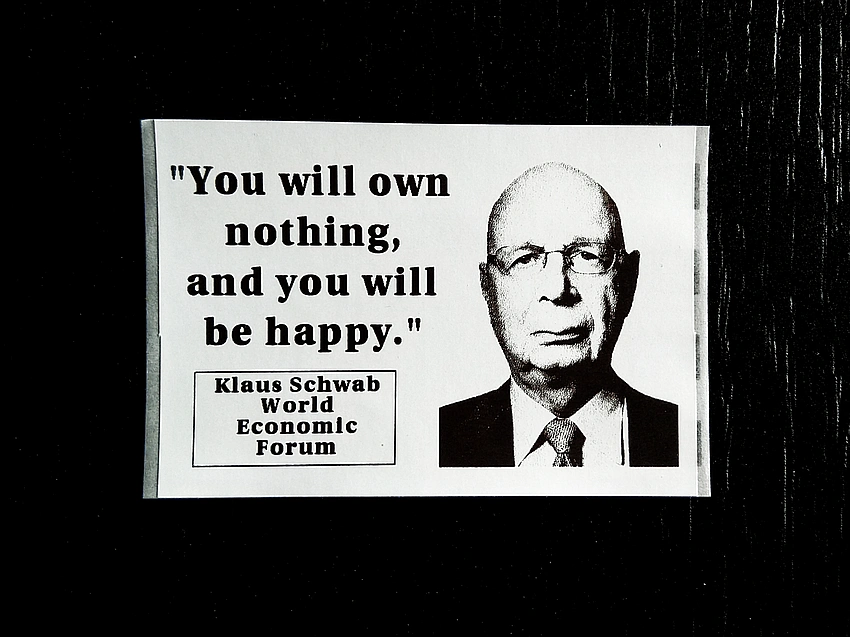
“You will own nothing and still be happy”
“You will own nothing and still be happy”
From shelves to streams, life is increasingly rented, licensed, and revocable—without a Davos decree. This analysis maps the subscription surge and what it means for ownership and daily routines.
“You will own nothing and be happy” began life not as a Bond-villain manifesto, but as a clumsy slogan summarising a scenario from a 2016 World Economic Forum essay by Danish politician Ida Auken, imagining a city where everything is accessed through the sharing economy rather than owned outright. Since then, it has become a kind of haunted catchphrase for our age: passed around conspiracy forums, TED-adjacent think pieces, and the darker corners of YouTube.
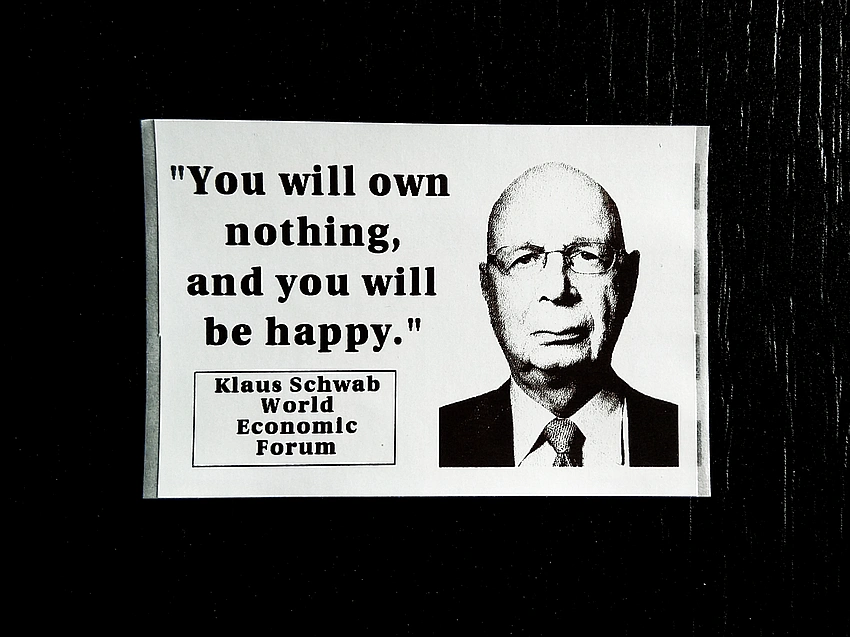
I’m less interested in the conspiracy part and more in the uncomfortable grain of truth the slogan presses on. Because, quietly, without any formal decree from Davos, we are moving towards a world where more and more of life is rented, streamed, or licensed, and can be revoked.
From shelves to streams
You can see it most clearly in the media. In the last decade, revenue from subscription-based streaming has more than tripled globally, reaching around $95 billion in 2023. Physical formats are now a marginal niche: in 2024, global video physical media sales fell below $1 billion, down over 23% from the previous year, while in music, physical formats in the US account for roughly 11% of revenue compared to streaming’s 80-plus per cent share.
Games are following the same arc. In the UK, boxed video game sales dropped 35% in 2024 and now represent just over 10% of new game purchases; the rest are digital downloads, subscriptions and in-game spending. The shelf of DVDs or jewel cases that once anchored a teenager’s bedroom has been replaced by a set of icons on a home screen of icons, which can vanish.
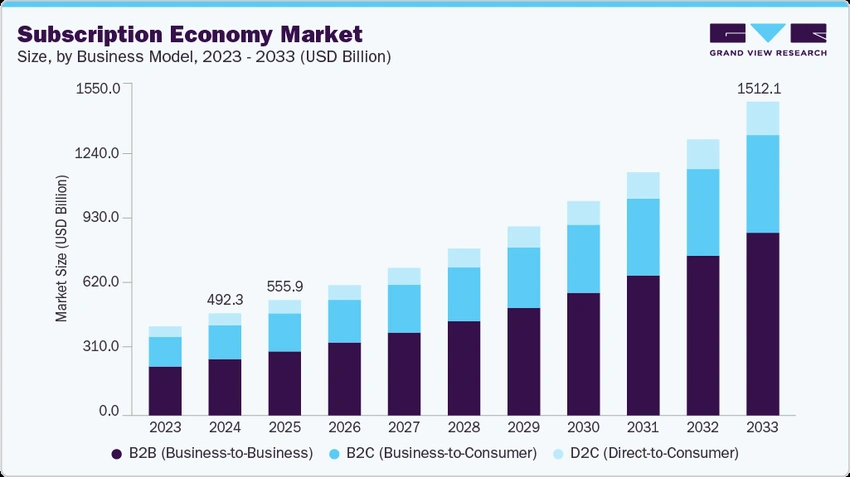
The global “subscription economy” is estimated at around $500-560 billion in 2024-25, forecast to roughly triple to around $1.5-1.9 trillion by the mid-2030s. A recent report from Mastercard and FT Strategies suggests US subscribers now hold, on average, over eight subscriptions, spending about $1,400 a year, and more than a third say they’re spending more on subscriptions than a year ago.
In other words, we have already normalised the idea that much of everyday life is accessed as a metered service, not as a thing we hold.
Platforms as landlords of everyday life
Ownership used to mean a simple relationship: my book, my CD, my DVD. Now it means something like: my temporary, conditional access to a file on a corporation’s servers, governed by a licence agreement nobody reads.
Streaming services have begun to quietly remove films and series from their catalogues, not because of some great cultural reckoning, but because it makes balance sheets look better. Reporting on companies like Warner Bros. Discovery, Disney and others shows that erasing shows from platforms allows them to treat those titles as impaired assets, take tax write-downs, and reduce residual payments to writers and actors. Max (formerly HBO Max) has purged exclusive films and even classic Looney Tunes shorts as part of wider content cuts.
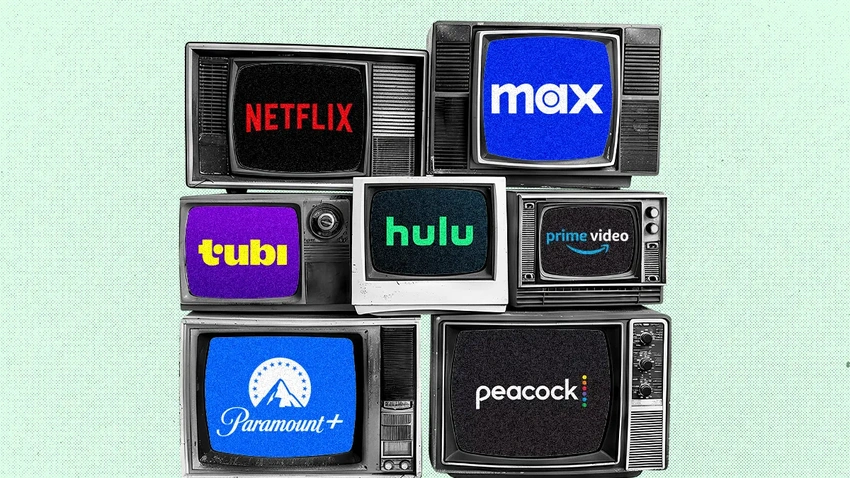
The message is pretty blunt: you never owned this; you merely rented our goodwill.
In this landscape, big platforms begin to look less like shops and more like landlords of culture. Our playlists, watch-lists and game libraries are closer to rented flats than to houses; they can be reconfigured, repriced or bulldozed at short notice.
The emotional life of rented things
From a humanities perspective, this matters because ownership isn’t just economic; it is affective and narrative. A childhood bedroom full of battered paperbacks and scratched CDs is a biography in objects. The material awkwardness of things anchors memory and identity.
Subscriptions encourage a different subjectivity: fluid, reversible, always optimising. That same Mastercard/FT report notes that subscribers “serially churn”, cancelling and rejoining services in search of better value. Our attachments become provisional, benchmarked month by month against price and content catalogue.
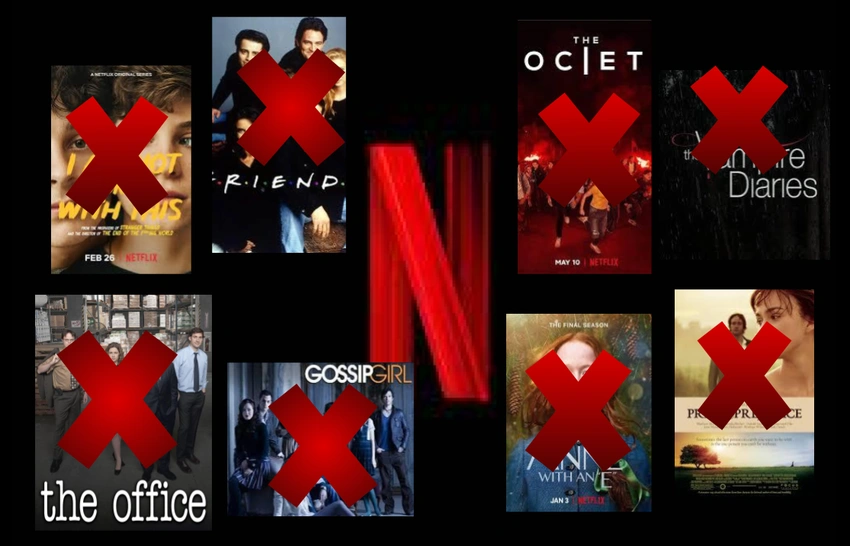
There is freedom here, of course. Renting a film instead of buying a DVD means less clutter; streaming music gives access to an unimaginable archive. For many, monthly payments genuinely open up lifestyles that outright ownership would block.
But the cost is a creeping sense of disposability. When everything is cancellable with a button, relationships to culture start to resemble relationships to gig workers: rated, reviewed, and abandoned when the algorithm offers something shinier.
Billionaires, dependence, and the politics of access
It’s not simply that we own less; it’s who owns what we now depend on. The largest subscription and streaming platforms are run by a tiny cluster of corporations with market capitalisations larger than the GDP of many countries.
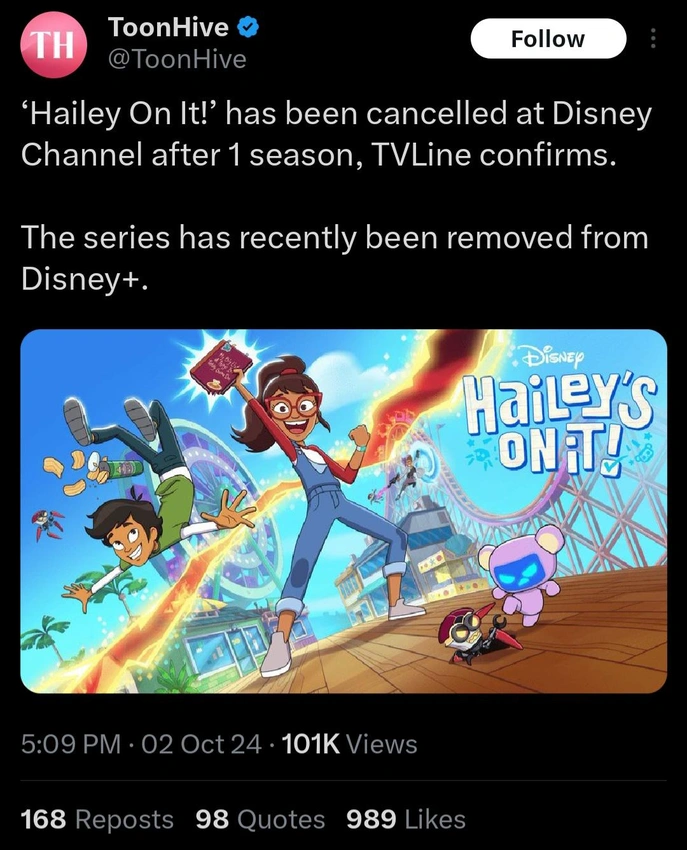
Even the WEF’s original scenario, meant as a provocation rather than a policy, imagines a world in which “everything that was once a product is now a service”, delivered by unseen infrastructure. The irony is that the subscription model is often sold as empowerment. Flexibility, choice, personalisation: the marketing language insists that we are at the centre. Yet movements like Stop Killing Games, and the growing backlash when beloved series vanish from platforms, suggest another story; one where people realise that if ownership becomes pure access, they have very little leverage when that access is withdrawn.
Owning less, caring more?
I don’t think we can simply roll back the subscription economy; it is too deeply woven into how we work, study and relax. But I’m interested in small acts of resistance that reassert a thicker idea of ownership.
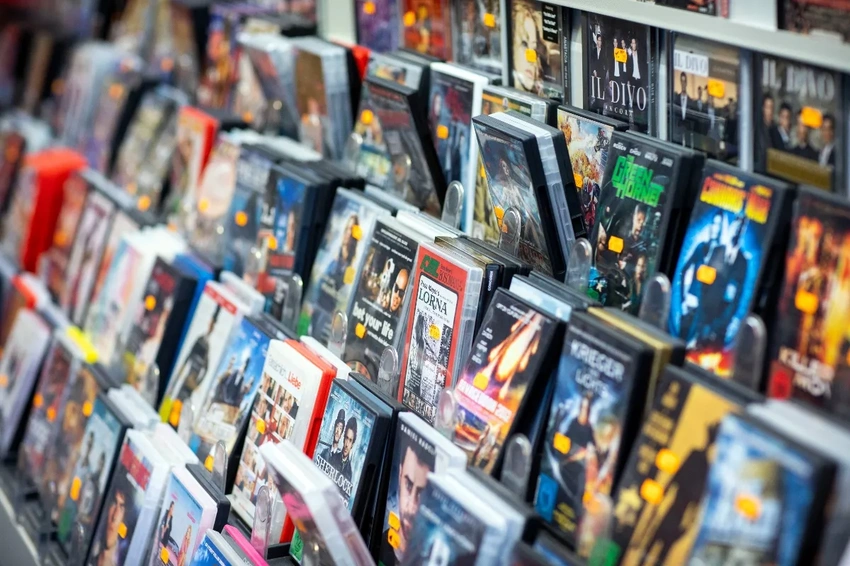
That might mean deliberately keeping physical media for the films, games or albums that matter most to us; the ones we don’t want edited, remastered or quietly deleted. It might mean paying attention to the politics of platforms, supporting preservation campaigns, and reading the fine print when a storefront promises that a digital item is “yours”.
“You will own nothing and be happy” is, in one sense, a caricature. But it also gestures towards a crucial question: what parts of our lives should we insist on owning precisely because happiness built on revocable access is never entirely secure?
'#SharingEconomy', '#SubscriptionEconomy', '#StreamingEra', '#DigitalLife', '#WEF'
