Trump Eyes Tariffs on Indian Rice, Seeks to Stop Dumping

Trump Eyes Tariffs on Indian Rice, Seeks to Stop Dumping
Trump hints at tariffs on Indian rice to curb what he calls dumping, while weighing fertilizer duties to boost U.S. farmers amid rising costs.
Washington — At a White House roundtable on farm subsidies, President Donald Trump floated the idea of new tariffs targeting Indian rice, arguing that the country “shouldn’t be dumping” the staple in the United States. He unveiled $12 billion in fresh support for American farmers, part of a broader response to inflation and mounting pressure from domestic producers.
He was handed a list of nations accused of “dumping” rice into the US, including India, Thailand, and China. Trump pressed Treasury Secretary Scott Bessent to explain India’s exemption and whether a trade deal would shield or complicate any tariffs. “Tell me about India. Why is India allowed to do that? They have to pay tariffs,” he said, adding that there was no exemption and that the issue would be addressed. “Yeah, but they shouldn’t be dumping. I mean I heard that from others too. You can’t do that,” he continued, vowing to “take care” of the alleged dumping.
Beyond rice, Trump also proposed possible tariffs on fertilizer imports from Canada to encourage local production, a nod to concerns that foreign inputs are making farming less competitive at home. “A lot of it does come in from Canada, and so we’ll end up putting very severe tariffs on that, if we have to, because that’s the way you want to bolster here,” he said, signaling a readiness to use tariffs as a tool to reshape supply chains.
The remarks come as the administration seeks to reassure farmers amid ongoing inflationary pressures and a volatile pricing environment for staple crops. The White House has framed the new farm support as part of a broader strategy to shield American producers from global price swings while continuing to renegotiate trade relationships with key partners.
While critics warn tariffs can raise consumer costs and invite retaliation, Trump’s team has framed the move as a necessary step to level the playing field for US agriculture. Negotiations with Canada and existing trade talks with India are likely to intensify as officials weigh the best combination of tariffs, subsidies, and policy levers to stabilize farm income and domestic food prices.
The administration’s approach reflects a long-running tension in American trade policy: how to protect domestic producers without triggering broader price shocks. As the country debates the best path forward, farmers and exporters watch closely to see which products might be targeted next and how allies respond.
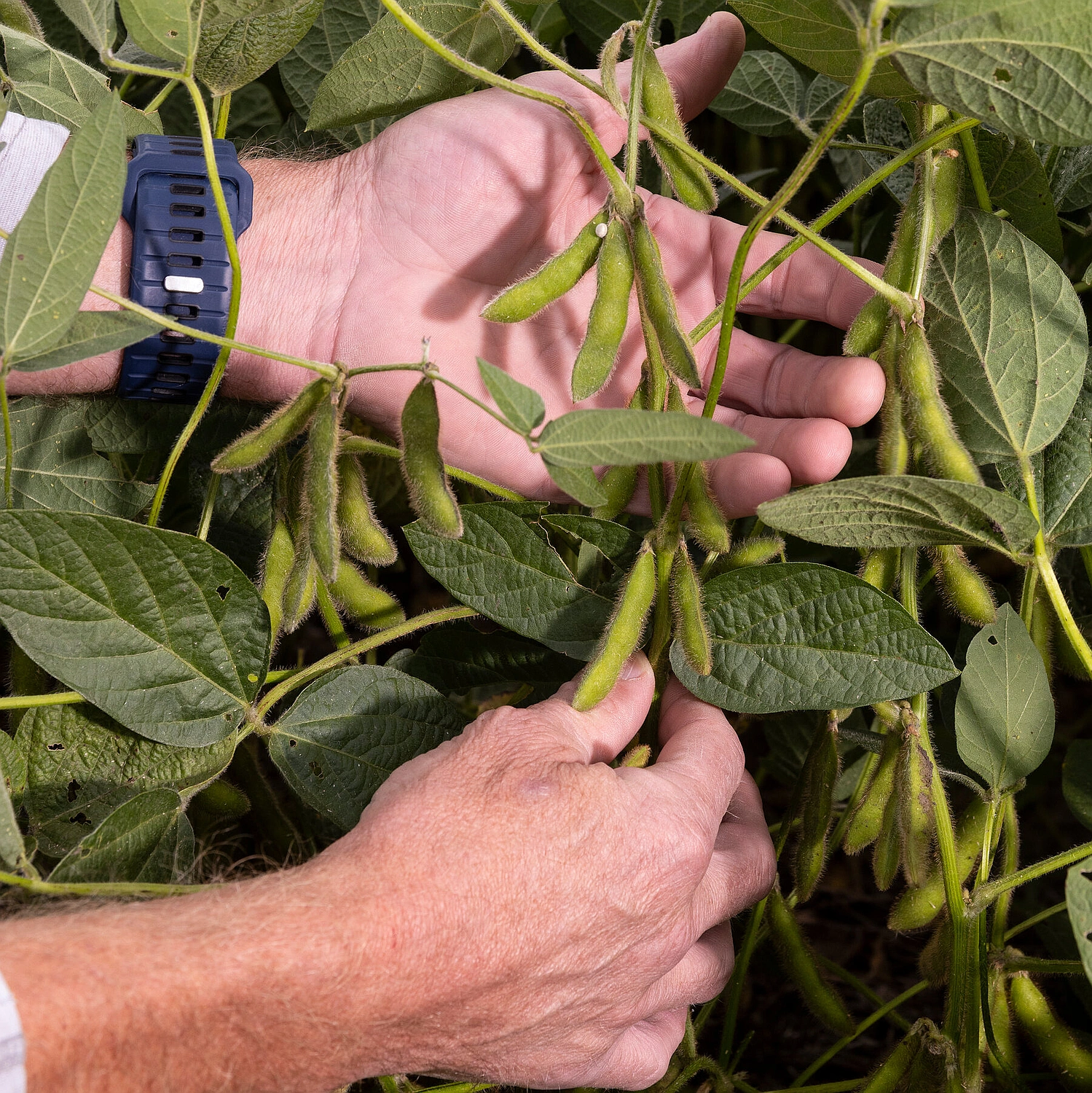
Cover image source: Trump Plans $12 Billion Bailout to Aid Farmers Hit by Tariffs 🔗
