Mamata slams ECI, likens SIR to Tughlaqi regime

Mamata slams ECI, likens SIR to Tughlaqi regime
West Bengal CM accuses the ECI of collusion with the Centre over SIR, vows protection for officers and pushes back against perceived manipulation.
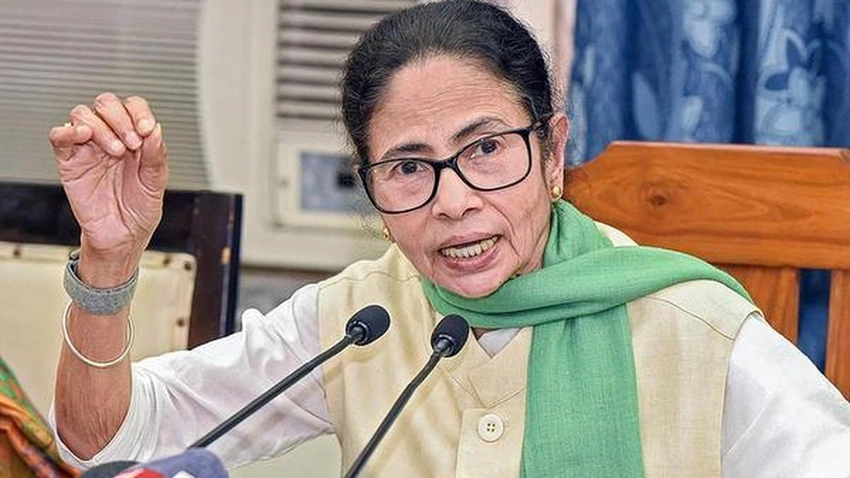
West Bengal Chief Minister Mamata Banerjee stepped up her attack on the Election Commission, accusing it of colluding with the Centre’s ruling BJP to manipulate voter lists under the Special Intensive Revision (SIR) process. She urged the ECI to refrain from “torture” and warned that if Bengal government officers are singled out, her administration would protect them and promote those deemed demoted. Banerjee, addressing reporters at the state secretariat in Kolkata, drew dramatic parallels, calling the poll panel a “Tughlaqi commission” and comparing its actions to the whims of Muhammad bin Tughlaq and even Adolf Hitler. She argued the EC was flouting rules, defying Supreme Court directives, and creating confusion that she claimed even led to deaths. There were complaints across states like Haryana, Bihar and Maharashtra; she challenged why Bengal appeared to be singled out, asking whether Bengal is not part of India. The EC has denied her allegations, including in the Supreme Court, where she had recently appeared. Banerjee also pointed to the suspension of seven assistant electoral registration officers (AEROs) from the state, arguing that many were not given hearings or show-cause notices and that some had contributed to the smooth execution of SIR. She further alleged that documents accepted in other states were rejected in Bengal, questioning whether the state’s inclusion in India is being arbitrarily challenged. In a striking claim, she referenced a BJP IT cell functionary allegedly removing 58 lakh voters’ names in Bengal using AI, and cited a toll of 160 lives reportedly linked to SIR anxiety and work-related pressure. Banerjee asserted that if the EC imposes punitive measures on Bengal officers, the state government would take a stand to shield them while continuing to pursue its own course in the poll process.
