Why Gen Z Is Obsessed With Diagnosis Culture

Why Gen Z Is Obsessed With Diagnosis Culture
Why Gen Z Is Obsessed With Diagnosis Culture
This essay examines how Gen Z turns labels like autism or ADHD into social currency—a shortcut to belonging and moral seriousness—while platforms shape the echo chambers that amplify them.
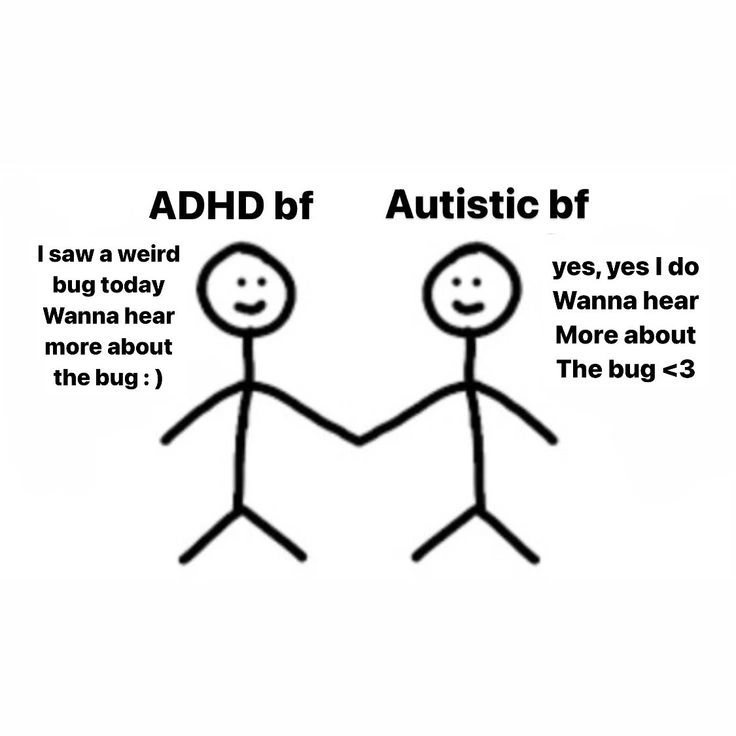
There is a strange intimacy to the way young people today talk about themselves: not in confessional paragraphs, but in diagnostic clauses. “I think I might be autistic,” “low-key ADHD,” “sounds like CPTSD”; these utterances function less like medical reports and more like passports to social worlds.
What diagnosis does, culturally
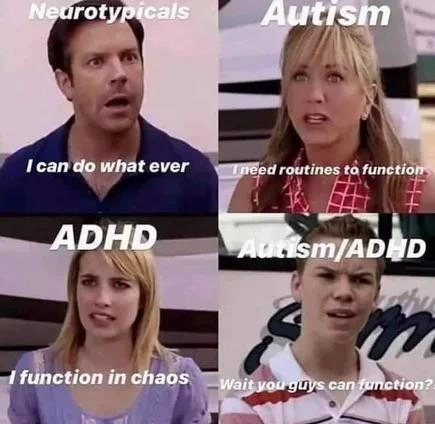
Diagnoses are shorthand. They compress a biography, a cluster of sensations and recurring failures, into a pronounceable code. For Gen Z, that code is performative. Labels do emotional labour: they explain why you flunked the job interview, why relationships ended badly, and why concentration evaporates. In doing so, they create a community of others who recognise the same shorthand. The act of naming becomes a social currency: it signals awareness, membership, and moral seriousness in spaces where authenticity is prized.
Platforms, performativity and the algorithmic echo chamber
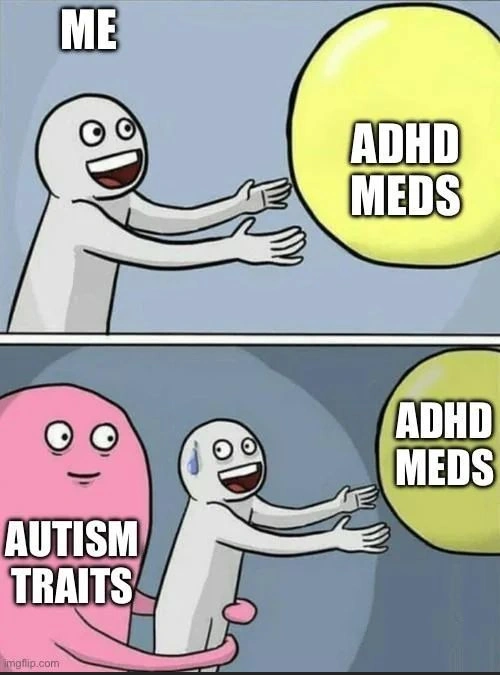
Social platforms are not neutral archives of experience; they are pattern-makers. Short, catchy descriptions of symptoms travel fast because the architecture rewards recognisable narratives. TikTok and other platforms favour content that is relatable, repeatable and easily mimicked — precisely the qualities that make a diagnostic label portable. Research and clinical observers have noted that algorithmic feeds amplify certain framings of disorders and that popular videos often present selective, simplified pictures of complex conditions. The result is a feedback loop where examples beget identification, which begets more examples.
Diagnosis as belonging
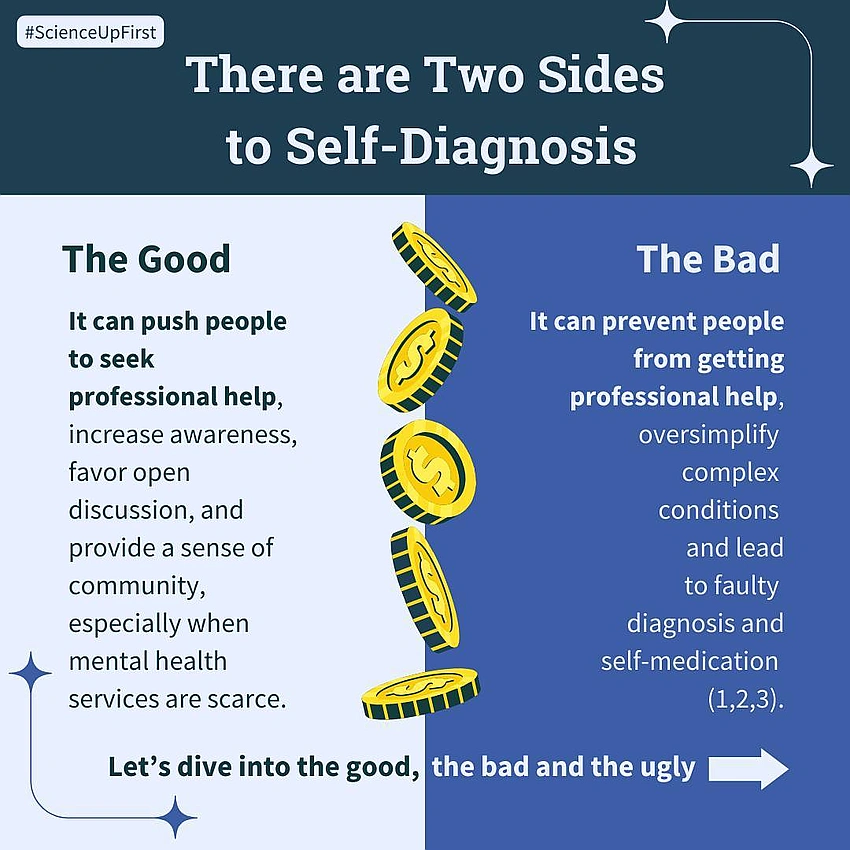
Belonging in late modernity is fleeting and fractured. Traditional communities like universities, churches, and neighbourhoods no longer guarantee the kinds of steady recognition earlier generations relied on. Online groups built around diagnostic language provide a patchwork sociality: message boards, hashtags, and comment threads where your description gets mirrored back to you. Self-diagnosis becomes less about medical certainty and more about finding mirrors and interlocutors; it grants narrative coherence and a place at the table. Studies of Reddit and other forums make plain that users often frame self-diagnosis as a strategy for social support and identity formation rather than a definitive clinical claim.
Performance, authenticity and the theatre of symptoms
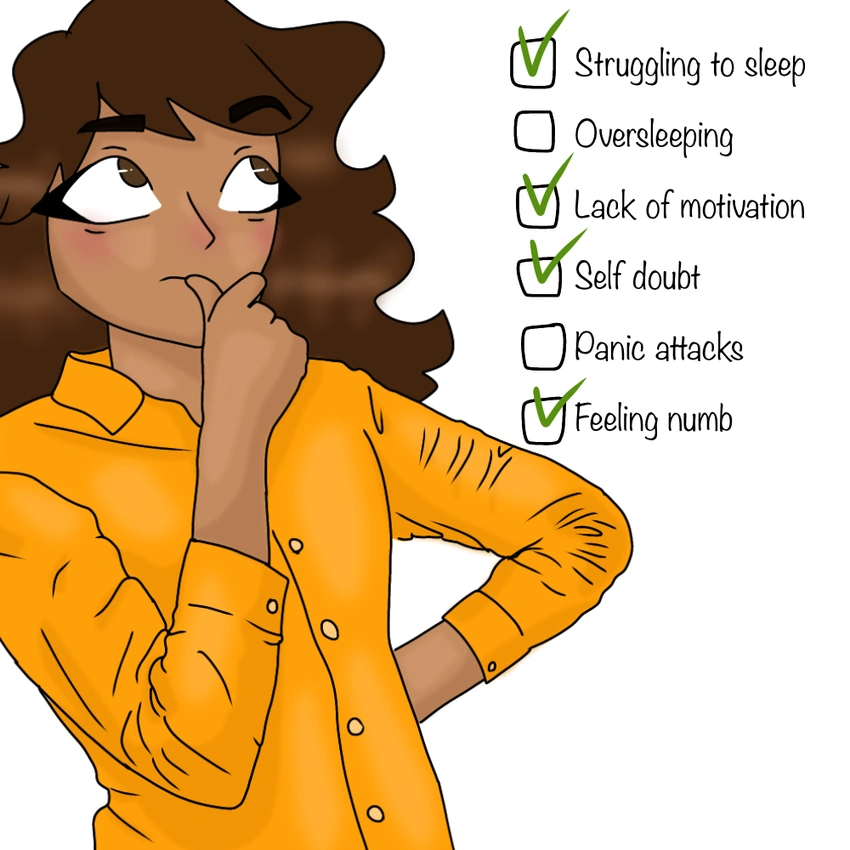
There is a theatrical element to diagnosis culture. Short-form video and listicle formats reward striking, easily narrated symptoms — the kind that can be demonstrated in fifteen seconds. This compresses lived complexity into tropes and risks turning suffering into a set of aesthetic moves. Critics argue this produces “romanticised” or trivialised accounts of real conditions, where ordinary frustrations are relabelled as disorders and diagnostic language becomes a form of self-branding. At the same time, the performative aspect is not merely cynical: for many, it is a ritual by which private pain is made publicly legible.
Power, inequality and epistemic labour
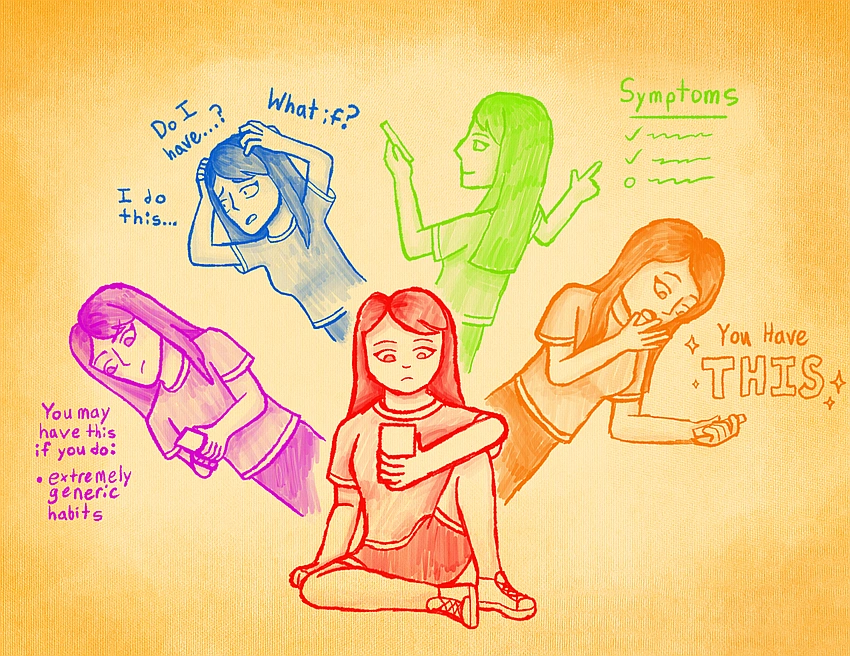
Not all diagnoses circulate equally. Medical knowledge and access to care remain stratified by class, race and geography, but social media flattens those differences rhetorically. A hashtag can democratise language, but it cannot democratise access to clinicians, diagnostic tests or therapeutic resources. Moreover, the burden of interpretation shifts onto peers: lay communities are asked to adjudicate ambiguous experiences, producing both solidarity and misdirection. Empirical work shows that online self-diagnosis is a contested space, with debates about helpfulness, accuracy and harm playing out in public.
A cultural critique
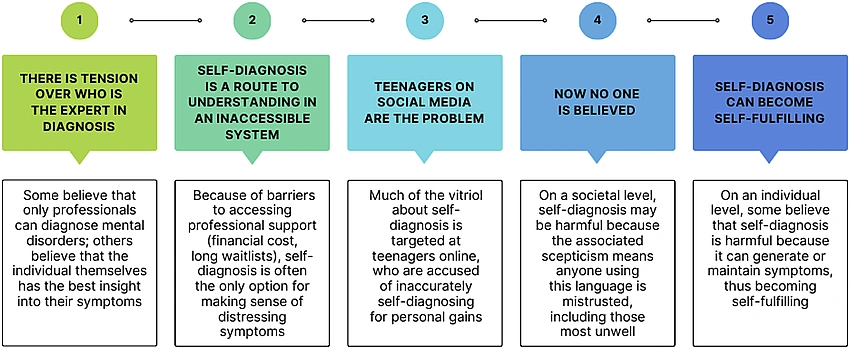
To criticise diagnosis culture is not to dismiss the real suffering that prompts it. Many young people reach for diagnostic language because formal systems fail them clinics are inaccessible, waitlists are long, and clinicians sometimes invalidate experience. But the critique is twofold: first, that social media compresses complexity into consumable bites; second, that the social benefits of belonging can disguise epistemic risks. Labels can liberate, but they can also calcify identity around a set of symptoms rather than a fuller sense of self.
Towards a politics of care and language
What might a more responsible diagnosis culture look like? One path is to reorient online conversation from definitive labelling to provisional language: “I notice…” rather than “I am…”. Another is to insist platforms couple storytelling with signposting, connecting identification to resources, nuance and professional gateways. Finally, it requires attending to the social infrastructures that make self-diagnosis attractive in the first place: better access to care, education that teaches critical appraisal of online content, and communal spaces that offer recognition without instant pathologisation.
Diagnosis culture is, in part, a language of the lonely and the hurried: it offers quick translation for complicated interior worlds. Gen Z’s embrace of that language is intelligible and a rational adaptation to an attention economy and a broken care system. The project for scholars and citizens alike is not to banish labels but to cultivate a grammar that is careful, provisional and attentive to power. In doing so, we might find ways to keep the belonging that labels promise without impoverishing the lives they aim to describe.
#GenZ #SelfDiagnosis #SocialCurrency #AlgorithmEcho #EchoChamber
