The Performative Male Guy: What Exactly Is It?

The Performative Male Guy: What Exactly Is It?
The Performative Male Guy: What Exactly Is It?
If you’ve spent any time on TikTok or Instagram over the past year, you’ve likely encountered the rise of the so-called “performative male guy.” This is one of those viral archetypes that feels like the culmination of a decade’s worth of evolving conversations about gender, identity, and online self-presentation. But what isit really, and why does it keep showing up in pop culture chatter like some weird, stylish inevitability?
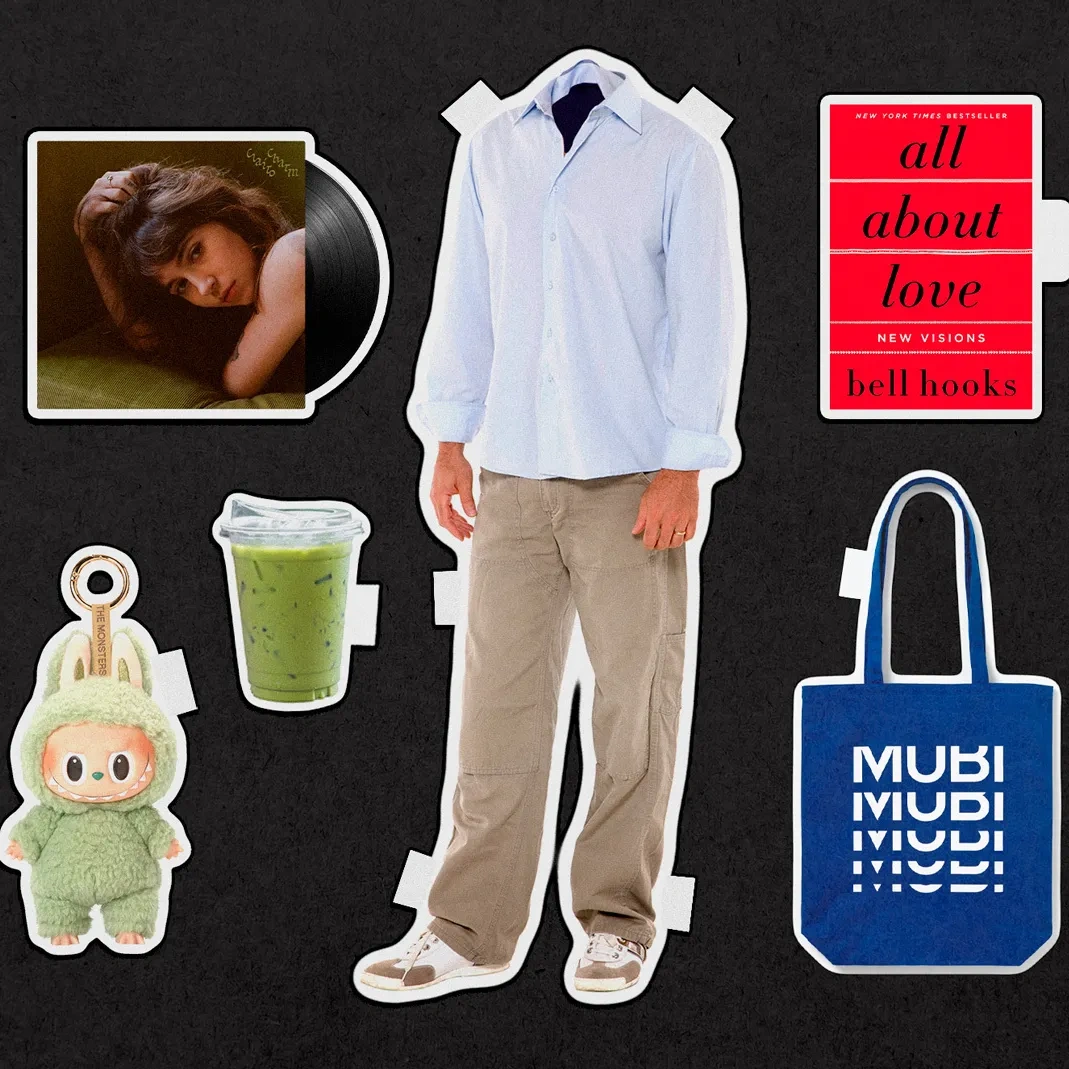
At first blush, the “performative male” is a visual web aesthetic born from social media satire: iced matcha lattes, canvas tote bags, vintage jeans, feminist books artfully clutched in a hand, and an aura of soft-spoken sensitivity. He’s the guy whose accessory list reads more like a Pinterest mood board than a functional wardrobe. And unsurprisingly TikTok turned this whole energy into a trend, contest, and joke that spread globally.
Yet underneath the humour lies something worth unpacking.
A Meme and a Mirror
The term performative male started as a social media label for a caricature of men who adopt what are perceived as traditionally feminine or progressive traits, often seemingly to attract attention. In this telling, reading feminist literature in public or happily sipping matcha becomes not just a choice but a strategy of a performance of values rather than an expression of them.
This works because it taps into something deeply familiar about social media culture: the idea that we perform identity as much as we live it. Judith Butler’s concept of gender performativity, that gender is not an innate essence, but something we repeatedly do, resonates here. On platforms like TikTok, self-presentation is literally a performance, repeated and curated to accrue likes, followers, and cultural capital.
So when someone embodies what looks like emotional openness, feminist concern, indie taste and fashion flair, the question becomes: Are they expressing themselves, or producing content about themselves? In the case of the performative male meme, the distinction often collapses into satire.
Pop Culture’s Favourite Punching Bag
Part of why this archetype took off is its inherent contradiction. It steps fully into a world where men are supposed to embrace emotional intelligence, feminist awareness, and non-binary friendly aesthetics; yet the very term “performative” suggests scepticism, even cynicism, about the authenticity behind that embrace.
We see this scepticism in commentary that frames the performative male as doing a sort of “mating dance” of an exaggerated show of progressive values deployed to win the attention of women. The image is so vivid that satirical Performative Male Contests have appeared in cities and campuses, where contestants essentially play dress-up in an alt-hipster meets soft boy aesthetic.
Men adopting these traits are sometimes mocked not only for the supposed inauthenticity of their behaviour but for doing so in visible, public spaces. That reaction reveals that pop culture still has strict rules about how masculinity should look and be performed.
Why This Matters to Culture Buffs
As someone deeply interested in how narratives shape society, I find this conversation revealing for a few reasons.
Firstly, it shows how masculinity is no longer monolithic. A generation ago, the archetypal male image in Western popular culture was dominated by hyper-masculine tropes . Today’s trending image of masculinity (even if satirical) embraces traits like introspection, vulnerability or aesthetic flair — qualities that were once coded “feminine” or socially awkward.
Secondly, the performative male meme implicitly challenges the idea that gender expressions are static. In gender studies, the notion that identity is constructed through repeated social acts is well established, not just a TikTok trope. People don’t have an authentic self behind their social expressions; rather, the self emerges through social performance.
Finally, this trend underscores a broader cultural tension: authenticity versus appearance. In an era when social media rewards immediacy and visibility, how do we discern genuine self-expression from curated signalling? And when does engagement with feminist values become reduced to fashionable optics rather than meaningful advocacy? These questions extend far beyond any trend or meme.
The Mirror the Meme Holds Up
At the end of the day, the meme-ification of the “performative male” tells us less about individual guys sipping matcha, and more about our collective anxieties around masculinity. It’s funny because it feels plausible like we’ve seen variants of this character in our feeds, cafés, and lecture halls. It’s uncomfortable because it forces us to ask whether our approaches to gender expression are authentic or strategic.
But perhaps the most striking thing is how this meme reflects a broader cultural moment: one in which traditional masculine norms are being actively questioned, played with, and sometimes weaponised as satire. In that sense, the performative male is less a caricature and more a cultural symptom of an evidence that the performance of gender, far from disappearing, is more visible, contested, and ironic than ever.
