Hantavirus, Covid PTSD: What’s Behind the Cruise Ship Cases

Hantavirus, Covid PTSD: What’s Behind the Cruise Ship Cases
Public health officials say hantavirus risk remains low after a Dutch cruise ship incident, while the conversation evokes Covid-era fears.
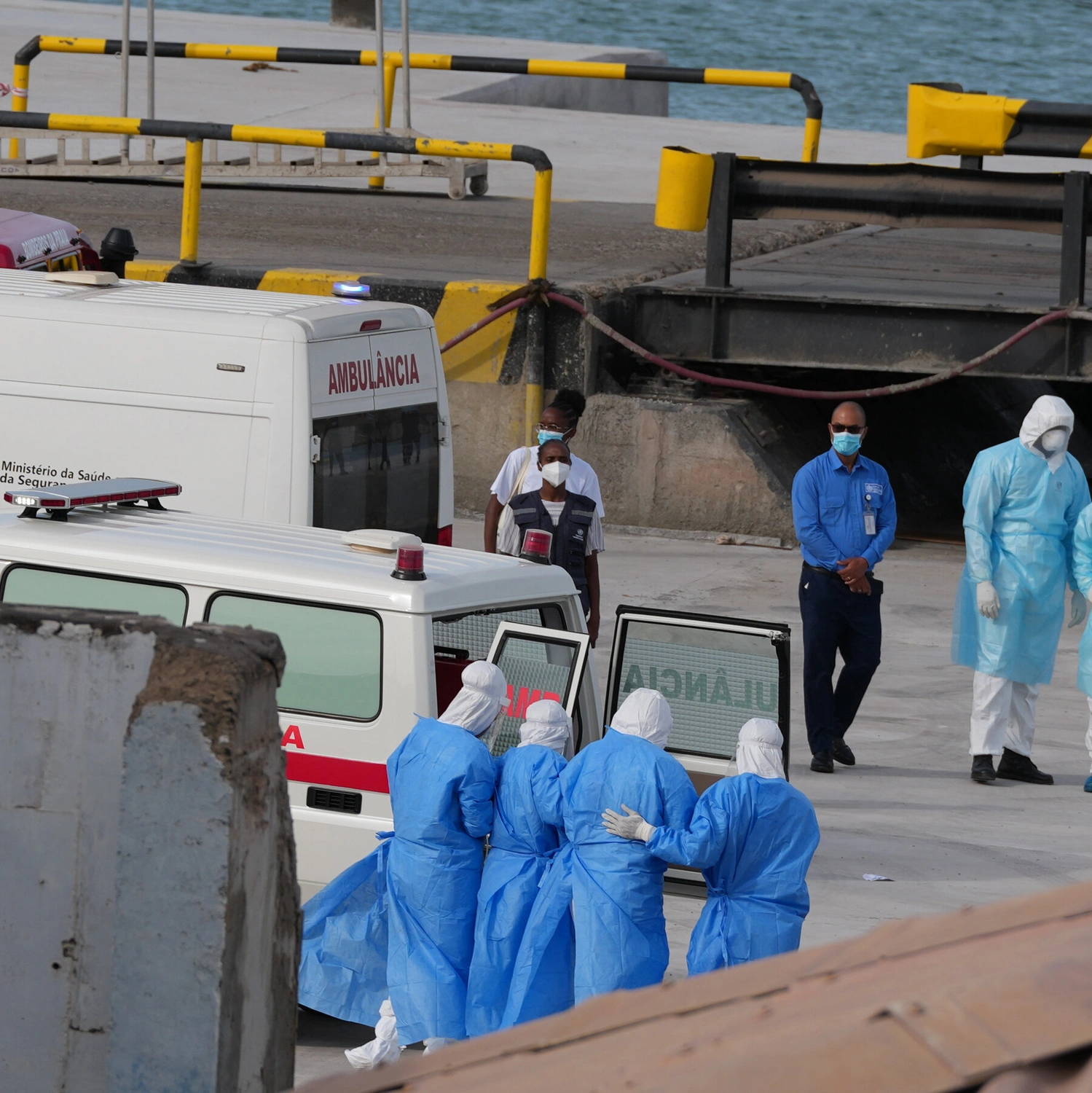
A Dutch cruise ship incident involving hantavirus deaths has prompted swift reassurance from health experts that the overall risk to the public remains low and that human-to-human transmission is not common. The event, tied to the MV Hondius, has sparked renewed attention to how stories about infectious diseases are framed and discussed in the media and online, with some rhetoric echoing the early, anxiety-filled days of the Covid-19 pandemic. While officials monitor those exposed and communicate safety steps, the core message from scientists is clear: hantavirus does not spread easily between people, and the situation appears limited in scope at this stage.
Hantavirus is a virus associated with rodents and their droppings, and health experts emphasize that the main precautions revolve around minimizing exposure in environments with potential rodent activity and ensuring proper cleanliness in shared spaces. The public conversation around the case has been notable for juxtaposing caution with reassurance, as terms like Covid PTSD surface in commentary and coverage. The aim is to keep travelers and residents informed without triggering unnecessary alarm, acknowledging past experiences with the pandemic while presenting current risk in practical terms.
Authorities are actively following exposed individuals and close contacts for symptoms, with guidance on what to watch for and when to seek medical care. Practical steps—such as avoiding areas with significant rodent activity and maintaining clean, sealed food storage—form part of the ongoing advisory, alongside general travel prudence. Researchers and officials stress that outdoor or routine travel poses far lower risk than sensational overlaps in language and imagery that can magnify fear.
The broader takeaway is a reminder of how science communication shapes public perception during health events. Even as experts reiterate that hantavirus risk remains comparatively low, responsible messaging remains essential to prevent panic while ensuring transparency about any new developments. As investigations continue and more information becomes available, authorities will provide updates on exposures and tailored precautions for those affected, balancing clarity with calm to support informed decision-making.
