Congress Faces Delhi Office Eviction Notices, Calls Govt Silence

Congress Faces Delhi Office Eviction Notices, Calls Govt Silence
Delhi Congress leaders blast eviction notices ordering them to vacate Akbar Road and Raisina Road offices, vowing legal action against what they call political pressure.
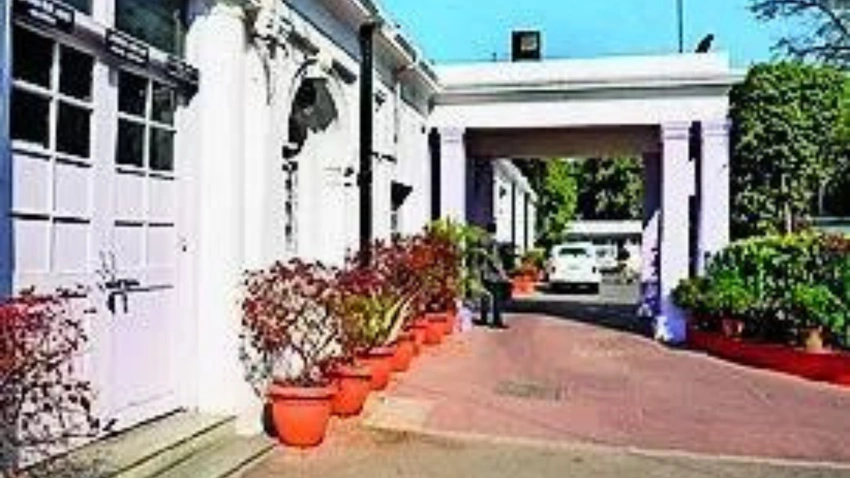
Delhi Congress leaders say they have been served eviction notices for their former national headquarters at 24 Akbar Road, and for the Indian Youth Congress office at 5 Raisina Road, in the heart of Lutyens Delhi. The notices demanded that the premises be vacated by a tight deadline, leaving the party to consider a legal challenge if needed. Despite relocating some operations to Indira Bhavan on Kotla Marg last year, the Akbar Road site has remained a symbol of the party’s long-running presence in the capital.
Lok Sabha MP Imran Masood accused the government of trying to silence the Congress by applying pressure through enforcement actions. He framed the move as an attempt to curb the party’s political space. Other Congress voices were equally vocal, with Pramod Tiwari describing the government as not democratic and urging a uniform application of rules that should affect all parties equally. Karti Chidambaram called for rules to be applied evenly and warned against targeting any single party.
The Akbar Road office has housed Congress activities for nearly half a century, and the Raisina Road site is linked to the Indian Youth Congress. The party has signaled it may challenge the notices in court, arguing illegality and political motivation behind the timing and notices. The development has stirred accusations of political vendetta and raised questions about the use of eviction actions as a tool in the political arena.
Observers say the notices could intensify tensions in Delhi politics, especially if tied to ongoing partisan narratives. While the government has not publicly commented in this summary, the move underscores ongoing debates about the balance between rule-of-law actions and political strategy, and the potential consequences for democratic discourse in the capital.
Regardless of the legal route, the confrontation highlights how symbolic addresses and party infrastructure can become focal points in national politics, prompting discussions about fairness, transparency, and the proper limits of government action against opposition entities.
