India Targets 60% Non-Fossil Power by 2035, 47% Emissions Cut

India Targets 60% Non-Fossil Power by 2035, 47% Emissions Cut
India aims for 60% non-fossil power by 2035, a 47% drop in emissions intensity, and a bigger carbon sink, with Cabinet approval signaling a tougher Paris pledge update.
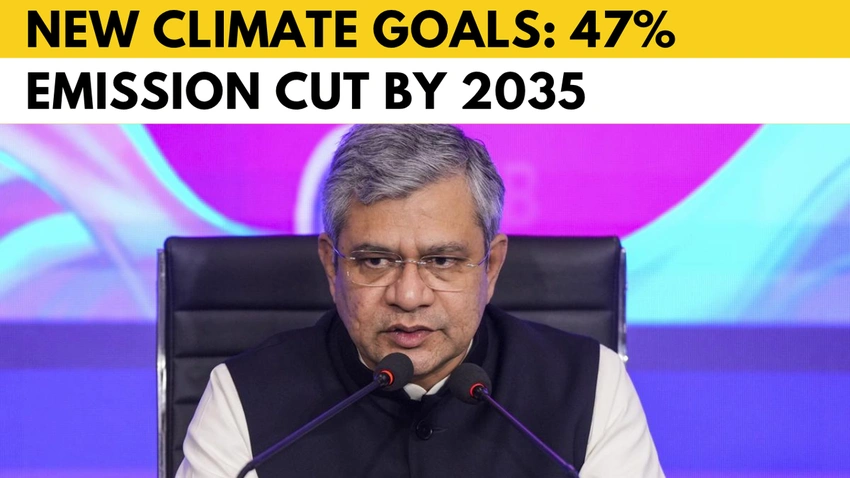
India has updated its climate ambitions, pledging that by 2035, 60% of installed electric capacity will come from non-fossil sources. It also aims to reduce the emission intensity of GDP by 47% from 2005 levels and to expand its carbon sink to between 3.5 and 4 billion tonnes. These targets form the country’s revised Nationally Determined Contribution, which will be submitted to the UNFCCC. Union Information Technology Minister Ashwini Vaishnaw said at a cabinet briefing that the government expects to easily meet these goals, given the rapid expansion of non-fossil sources.
Previously, India’s NDC, conveyed in 2022, targeted 50% non-fossil power by 2030, a 44% reduction in emission intensity, and a carbon sink of at least 2.5 billion tonnes. The cabinet’s approval of the new 2035 targets marks a significant tightening of the country’s climate commitments, aligning India with a growing number of nations tightening their Paris pledge timelines in light of escalating global warming concerns.
Historically, India and Argentina were among the last G-20 members to announce a 2035 NDC as of the end of 2025. With more than 128 parties having submitted updated NDCs by late 2025, these targets place India among the higher ambition levels discussed in international climate negotiations. The updated plan is expected to influence energy policy, industrial planning, and climate finance discussions in the years ahead.
