War Zones and Board Exams: Are We Putting Student Futures on Hold?

War Zones and Board Exams: Are We Putting Student Futures on Hold?
When geopolitical tensions in West Asia force board exam cancellations, a tough question arises. Must we pause student futures for safety, or is there a better way? Let's discuss where to draw the line.
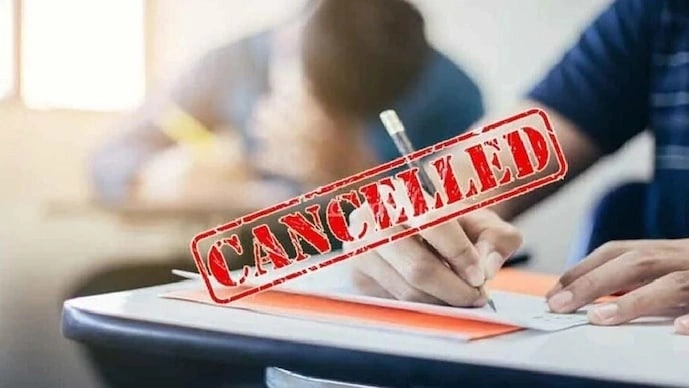
Imagine studying all year for the most important tests of your life, only to have them cancelled because of international conflict. This is the exact reality for thousands of Class 12 students in West Asia right now. With the escalating US, Israel, and Iran tensions, examination boards have been forced to completely cancel their upcoming papers.
This brings up a massive debate. When geopolitical crises hit, should authorities prioritize physical safety, or should they find innovative ways to protect student futures?
The Safety First Approach
It is impossible to argue against keeping teenagers safe. No exam is worth risking lives in a volatile region. Authorities have a fundamental duty to ensure that gathering in large test centers does not put innocent lives in the crossfire. When sirens are sounding and uncertainty is high, expecting students to focus on calculus or literature is completely unrealistic. Safety must always be the baseline.
The Hidden Cost to Futures
However, completely scrapping exams leaves a massive void. Class 12 results are the gateway to college admissions, scholarships, and career paths globally. When these tests are cancelled outright, students are left in academic limbo. They face delayed university entries, unmatched peer competition, and heavy mental anxiety. We have to ask ourselves if a full cancellation is the only answer.
Finding the Middle Ground
Where exactly do we draw the line? We cannot compromise on safety, but we also cannot abandon academic progress. Here are a few ways we could bridge the gap:
- Digital Alternatives: Secure, remote proctoring could allow students to test from the safety of their homes.
- Alternative Assessments: Universities and boards could rely on historical performance, internal assessments, and previous grades.
- Global Coordination: Colleges worldwide need to offer flexible admission criteria for students coming from conflict zones.
Living in a complex world means we need complex solutions. We must build robust contingency plans so that the leaders of tomorrow do not become collateral damage in the conflicts of today. Safety is non-negotiable, but a cancelled exam should never mean a cancelled future.
#StudentFutures #ExamCancellations #WestAsiaConflict #CBSEExams
