Why Gacha Life Became a Whole Childhood for So Many People

Why Gacha Life Became a Whole Childhood for So Many People
Why Gacha Life Became a Whole Childhood for So Many People
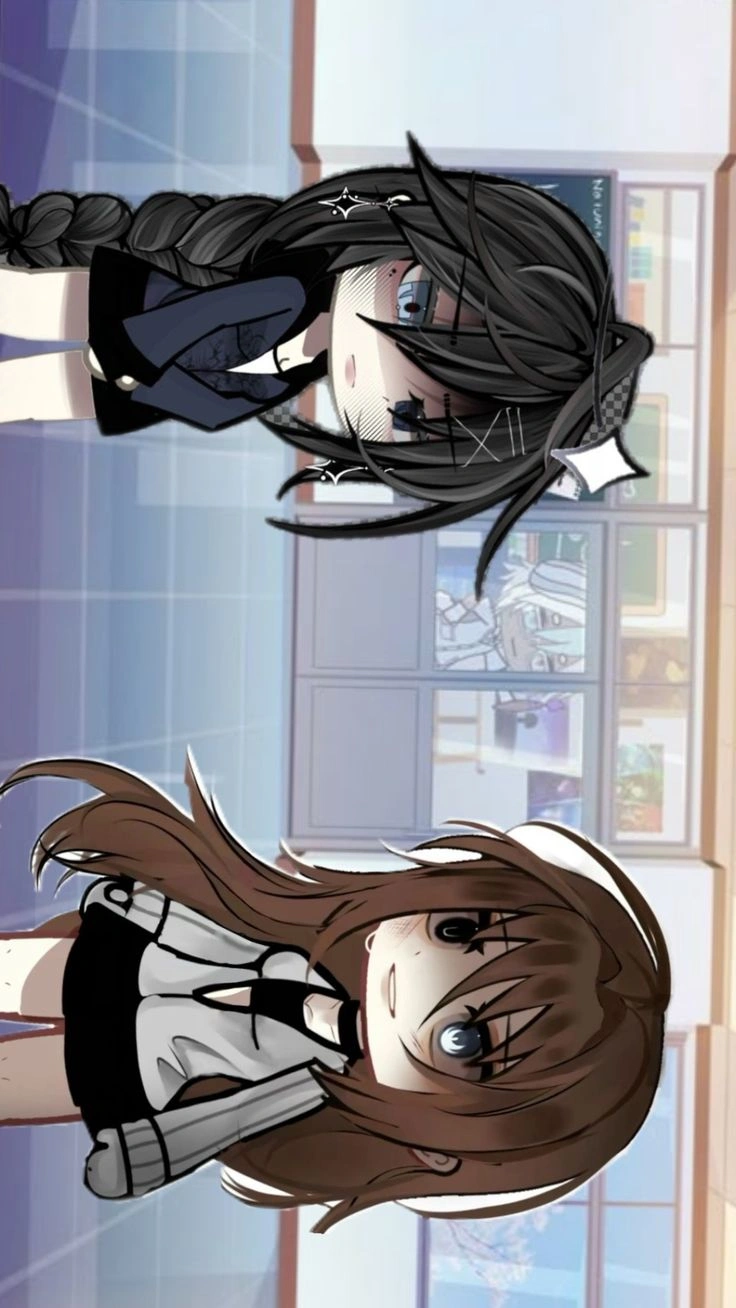
For many people, Gacha Life was never just a mobile game. It became a creative world, a storytelling tool, a social trend, and for some, one of the most defining digital spaces of childhood. What looked simple from the outside: small animated characters, bright colors, customizable outfits, and scene-building tools: quietly became something much larger because it offered something many children and early teenagers were looking for: control over imagination.
At a time when many games focused on competition, speed, or clear objectives, Gacha Life offered something softer and more open-ended. There was no single way to succeed. No urgent mission. No fixed narrative. Instead, players were given characters, expressions, outfits, backgrounds, and dialogue possibilities: and from there, they created entire worlds.
That freedom mattered.
Children often look for spaces where imagination can exist without strict limits, and Gacha Life provided exactly that in a digital form. It allowed players to build stories rather than simply consume them.
A character could become anyone: a hero, villain, sibling, student, fantasy creature, best friend, or a version of oneself. Scenes could become schools, homes, dream worlds, emotional conversations, or invented universes that reflected whatever story the player wanted to tell.
This made the game deeply personal.
Unlike games where progress is measured externally, Gacha Life felt meaningful because progress often meant better storytelling. A player improved not by winning, but by learning how to arrange scenes more clearly, create more expressive characters, or tell more emotionally engaging stories.
This is one reason it became so memorable: it gave young people a first experience of digital authorship.
For many children, Gacha Life was one of the earliest spaces where they controlled both design and narrative at the same time.
This also explains why the game quickly moved beyond private play into online culture. Once characters and stories existed, players naturally wanted to share them. Platforms like video editing apps and social media became extensions of the game itself, where short stories, music edits, dramatic scenes, and mini-series began appearing everywhere.
Suddenly, Gacha Life was no longer only played: it was performed publicly.
This changed its role in childhood even more.
A player was no longer simply making characters for herself. She was creating content, often learning editing skills, pacing, visual storytelling, and audience awareness without formally realizing it.
Many young creators first experimented with narrative timing, dialogue structure, and scene transitions through Gacha Life videos.
That creative learning mattered more than adults often noticed.
There was something intimate about that period.
People shared dramatic mini-stories, character edits, fantasy friendships, school scenarios, and emotional plots that often reflected common feelings: friendship struggles, loneliness, crushes, sibling conflict, belonging.
Even exaggerated stories often carried real emotional themes because players used fictional characters to express recognizable feelings.
This made Gacha Life more than entertainment. It became a soft emotional language.
A child might not know how to explain certain feelings directly, but could create them through characters.
That indirect expression is one reason nostalgia for Gacha Life remains so strong now. People often remember not only the game itself, but the emotional atmosphere around it: the afternoons spent creating scenes, choosing expressions, inventing names, editing stories, and watching others do the same.
It represents a period when imagination and digital life blended in a way that felt highly personal.
There is also nostalgia because Gacha Life belonged to an age when digital creativity still felt simple enough to be playful. The tools were accessible. You did not need advanced skill to begin. You only needed an idea.
That accessibility gave many children confidence.
You could create something immediately.
And immediate creation often matters deeply in childhood because it rewards imagination before self-criticism becomes strong.
Perhaps this is why so many people now describe Gacha Life as “a whole childhood.” It was not only one game among others: it often became part of daily routine, creative habit, emotional expression, and online belonging.
It existed during hours after school, during weekends, during moments when boredom turned into stories.
And unlike many games that are remembered for competition, Gacha Life is remembered for what people made inside it.
That difference is important.
Because the strongest childhood memories often come not from what entertained us most loudly, but from what quietly allowed us to imagine more freely.
Gacha Life gave children a digital stage where imagination became visible, characters became emotional, and stories became personal.
And for many, that made it far more than a game.
It became one of the first worlds they truly built for themselves.
