Reclaiming the B-Plot
Reclaiming the B-Plot
Reclaiming the B-Plot
For the past few years, we've all been totally obsessed with the idea of being the main character. You know those so-called tropes of romanticized montages of iced coffee or matcha runs, blurry sunsets from the passenger seat, perfectly candid photos, and so much more. TikTok made it a movement. Pinterest made it a lifestyle. Everyone wanted to live like the protagonist of a coming-of-age indie film.
But lately, something’s shifted. The spotlight doesn’t feel as romantic anymore. Maybe it’s burnout, maybe it’s self-awareness, but more people are beginning to find peace on the sidelines. And the B-plot, once dismissed as filler, suddenly feels like a sanctuary.
Because what if not being the main character is actually freedom?
In every story, there’s the lead: the one whose heartbreaks and triumphs define the arc. But there’s also the best friend, the younger sister, the one who steals every scene without ever asking for it.
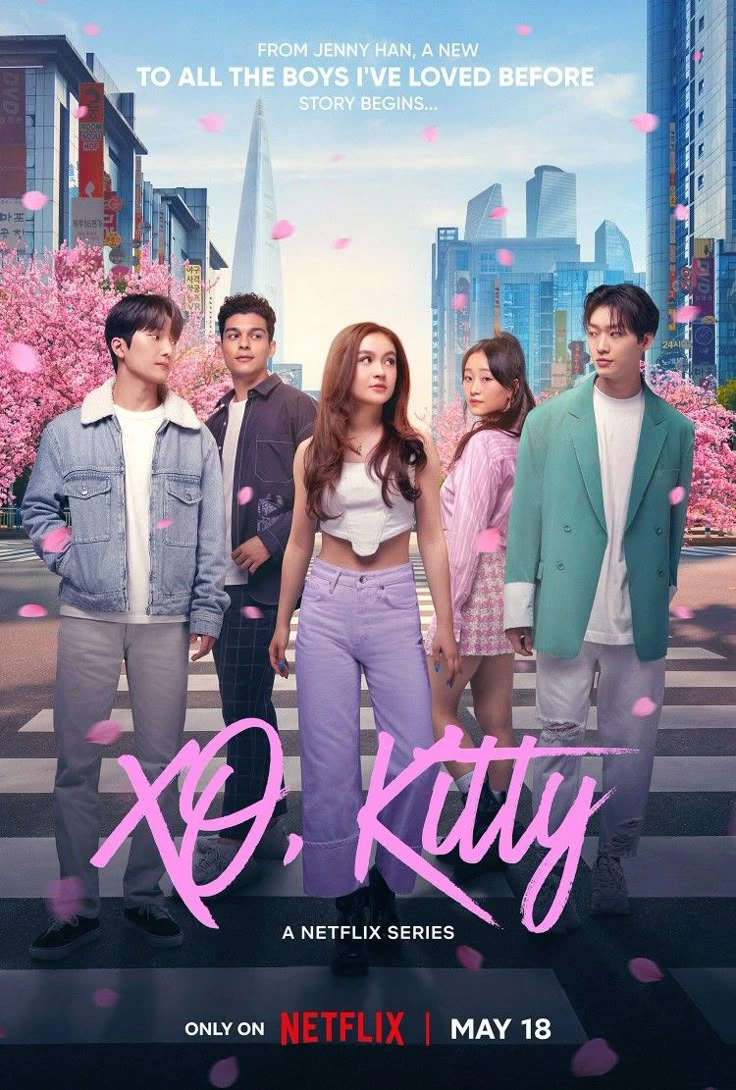
Think of Kitty Song Covey from XO, Kitty, who spun out from To All the Boys I’ve Loved Before and became her own chaotic, confident force of nature.I totally LOVE that show by the way. Or Sabrina Carpenter during Taylor Swift’s Eras Tour, who didn’t have to be the headliner to own the stage, she just had to show up as herself.
The whole cultural script is changing. Side characters aren’t supporting anymore, they’re expanding. They’re carving out their own stories, existing unapologetically, and in the process, redefining what fulfillment looks like.
There’s a quiet exhaustion in always being the “main character.”
The pressure to make every moment cinematic, every experience a turning point, it’s unsustainable. Living your life like a highlight reel means you start editing even your emotions. You don’t just feel sadness; you try to aestheticize it. You don’t just rest; you call it a “self-care era.”
Social media, especially TikTok, amplified this whole pressure. The “main character energy” trend was meant to be empowering: encouraging people to romanticize the mundane. But it slowly became another checklist of aesthetic behaviors, such as reading in cafés, filming sunsets, wearing oversized headphones, and walking dramatically down the street.
In trying to live like a protagonist, we accidentally forgot how to just be.
The beauty of the B-plot is that it’s not about winning or losing, it’s about living.
It’s the subplot that holds space for quiet growth: the best friend who finds herself, the sibling who starts over, the person in the background who’s finally okay with not needing everyone’s attention.
The B-plot teaches us something the main arc often doesn’t: that not everything has to be resolved in the third act. Sometimes you can exist in transition, in between, in the messy middle, and still be whole.
When you stop obsessing over being the “main character,” you start noticing the small joys you once edited out: a good laugh during a group dinner, a text from a friend checking in, a lazy afternoon that doesn’t have to mean anything.
Freedom, it turns out, isn’t in the spotlight. It’s in the quiet scenes no one’s filming.
Hollywood seems to have caught on.
Shows like Fleabag, Derry Girls, and Never Have I Ever celebrate flawed, secondary perspectives: people who are learning, unfiltered, and imperfect.
Even in music, the rise of artists like Sabrina Carpenter or Reneé Rapp represents this soft rebellion: they play with wit, self-awareness, and vulnerability instead of trying to project perfection. They’re in on the joke.
Sometimes the supporting character gets to be freer, funnier, even happier, because they’re not constantly being watched. They get to evolve without every choice being a statement.
When you think about it, some of the most iconic pop-culture figures are supporting characters who became scene-stealers:
- Rory Gilmore’s Paris Geller, sharp-tongued and unapologetic.
- Phoebe Buffay, living in her own weird little whimsical world.
- Kitty Song Covey, redefining what it means to step out of someone else’s love story and into your own.
They remind us that fulfillment doesn’t come from being the center: it comes from being real.
And maybe that’s why the B-plot resonates so much now. Because real life doesn’t really come with perfect character arcs or proper cinematic closure. It comes with detours, background moments, and quiet chapters that don’t make sense until years later.
So maybe we don’t all need to be the main character. Maybe we don’t need cinematic music swelling behind every heartbreak or victory. Maybe it’s okay to exist in someone else’s storyline, or to simply exist without defining it at all.
