Louvre in Crisis: Heist, Leaks, and a Raging Staff Strike

Louvre in Crisis: Heist, Leaks, and a Raging Staff Strike
Louvre faces a triple crisis as a multi-million jewel heist, aging infrastructure, and a widening staff strike threaten the world’s most visited museum.
The Louvre is squarely in the spotlight again, not just for its art but for a mounting cascade of crises. A high-profile jewel heist earlier this year exposed serious security gaps, while repeated water damage and aging infrastructure raised alarms about the building’s ability to safely guard centuries of masterpieces. Now, a prolonged strike by museum workers and security personnel has escalated concerns from staff grievances to questions about governance and safety, turning a cultural landmark into a national discussion on how such institutions are run.
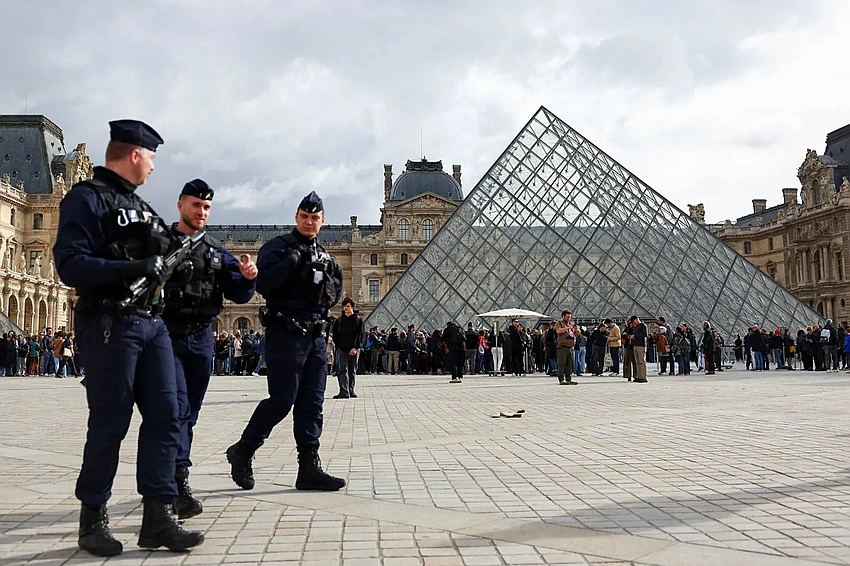
The protests come after a year marked by dramatic disruption: a wildcat June strike shut the museum, temporarily trapping visitors beneath the glass pyramid, and subsequent closures of offices and public galleries due to weakened floor beams. The October daylight robbery—an audacious theft of crown jewels—amplified scrutiny from lawmakers and auditors, reframing workplace complaints as questions of institutional failure. In response, Culture Ministry officials floated measures to cancel a planned 2026 funding cut, bolster guards and visitor services, and raise pay. Unions, however, rejected those proposals as insufficient and demanded more sustained fixes to understaffing and building safety.
As talks continued, the Louvre partially reopened with a limited “masterpiece route” that granted access to the Mona Lisa, the Venus de Milo, and a handful of galleries. It was a stopgap that did little to soothe growing frustration among staff and visitors alike, underscoring the delicate balance between preserving priceless art and delivering a safe, engaging visitor experience. The situation has prompted questions about funding, maintenance, and how cultural institutions adapt to modern security demands while remaining welcoming to the public.
