Clean Beauty': Fact or Fluff? Your Unfiltered Guide to Ingredient Transparency

Clean Beauty': Fact or Fluff? Your Unfiltered Guide to Ingredient Transparency
Are 'clean beauty' labels just clever marketing or is there substance behind the hype? Your beauty bestie breaks down ingredient transparency, busts myths, and spills the tea.
Listen up, besties. We've all been there: staring at a beauty product, half-mesmerized by the gorgeous packaging and half-terrified by the tiny print on the back. Then you spot it- 'Clean Beauty'.
Instantly, you feel a little halo form over your head, right? Like you're making a virtuous choice for your skin and the planet. But honey, as your unfiltered beauty bestie, I'm here to ask: Are those 'clean' claims really a gold star, or just a clever marketing spiel designed to make us feel good (and spend more cash)?
What Is 'Clean Beauty' Anyway, Though?
Here's the tea: there's no universal, legally binding definition for 'clean beauty.' Nope, not one.
It's not like organic food where there are strict certifications. This means one brand's 'clean' might be another brand's 'meh.' It's typically associated with products free from a list of ingredients like parabens, phthalates, sulfates, and synthetic fragrances, among others.
But here's where it gets dicey: every brand makes its own list.

Decoding the Ingredient Deck: It's Not Always a Horror Story
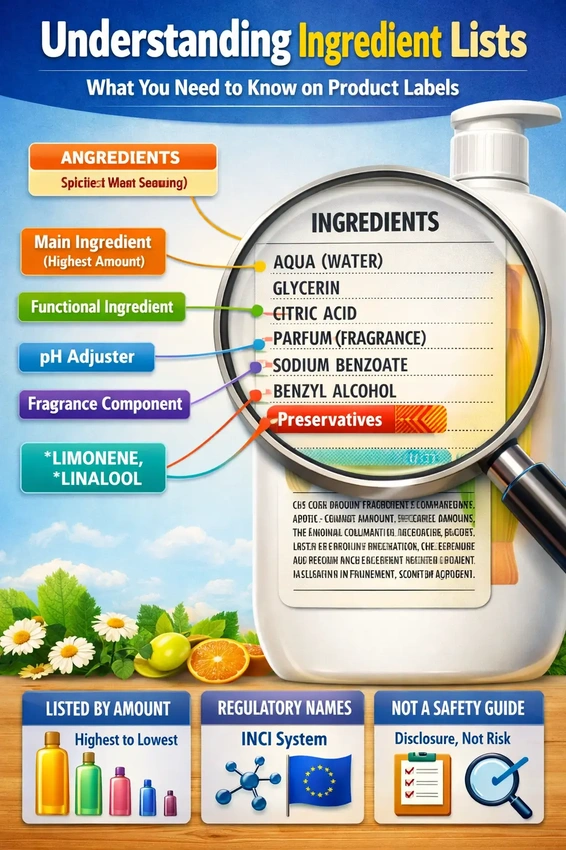
Navigating an ingredient list (the infamous INCI deck!) can feel like cracking the Da Vinci Code. My advice? Don't panic.
Many ingredients that sound scary are actually totally fine or even beneficial. Take 'alcohols,' for example. Fatty alcohols (like cetyl or stearyl) are great for your skin, while simple alcohols (like ethanol) can be drying.
The devil, as always, is in the details, and the formulation!
It's less about avoiding everything and more about understanding what works for your skin and what you personally want to avoid. Remember, "the dose makes the poison." Even water can be harmful in excessive amounts, right?
Focus on the concentration and the context.
The Greenwashing Guru Game is Real
Let's be honest, the 'clean' movement has birthed a whole new level of greenwashing. Brands leverage fear-mongering tactics, pushing the narrative that anything chemical is bad and anything 'natural' is good. Spoiler alert: Poison ivy is natural, and you wouldn't rub that on your face!
This fear-based marketing preys on our desire to be healthy and makes us second-guess perfectly safe, effective ingredients.
It's an emotional sell, not always a scientific one. They'll highlight what they don't include, rather than focusing on the efficacy and safety of what they do include. It's brilliant, manipulative marketing, if we're being honest.
So, What's a Savvy Shopper To Do?
Here’s your action plan, my loves:
- Do Your Research: Don’t just blindly trust a 'clean' label. Use resources like Paula’s Choice Ingredient Dictionary, EWG Skin Deep (with a grain of salt, it can be extreme), or Incidecoder to understand ingredients. Knowledge is power, honey!
- Identify Your Personal Triggers: If you have sensitive skin, allergies, or certain ethical concerns (e.g., vegan, cruelty-free), focus on those specific ingredients or certifications. Don't let broad 'clean' lists dictate your whole routine.
- Look Beyond the Buzzwords: Instead of 'natural' or 'non-toxic,' look for actual ingredient transparency. Does the brand clearly list all ingredients? Do they explain why certain ingredients are used? That’s true transparency. Image search term: person confidently scanning product label with phone app, bright natural light
Can We Just Enjoy Our Lipstick?
Ultimately, 'clean beauty' isn't inherently bad. It has pushed brands towards more thoughtful sourcing and ingredient lists. But it's also a commercial enterprise, and we, as consumers, need to be smart about it.
Don't let marketing jargon stress you out or shame you into throwing out perfectly good products. Your skin, your rules, remember? Just arm yourself with facts, not fear, and choose products that make you feel good.
Because life's too short for bad vibes or bad skincare choices, right?