Old NASA satellite re-enters Earth with low risk to surface

Old NASA satellite re-enters Earth with low risk to surface
A 600-kilogram NASA satellite re-enters Earth after 14 years in orbit; officials say debris danger is extremely low, about 1 in 4,200.
A space-story many are watching as a 600-kilogram NASA satellite makes its final plunge back to Earth after more than a decade in orbit. Engineers say most of the spacecraft will burn up in the atmosphere, with only a small chance that any fragments could survive to reach the surface. On average, NASA estimates the probability of debris causing harm is around 1 in 4,200, a figure geared to reassure the public while still underscoring how space missions leave behind a trail of orbital junk.
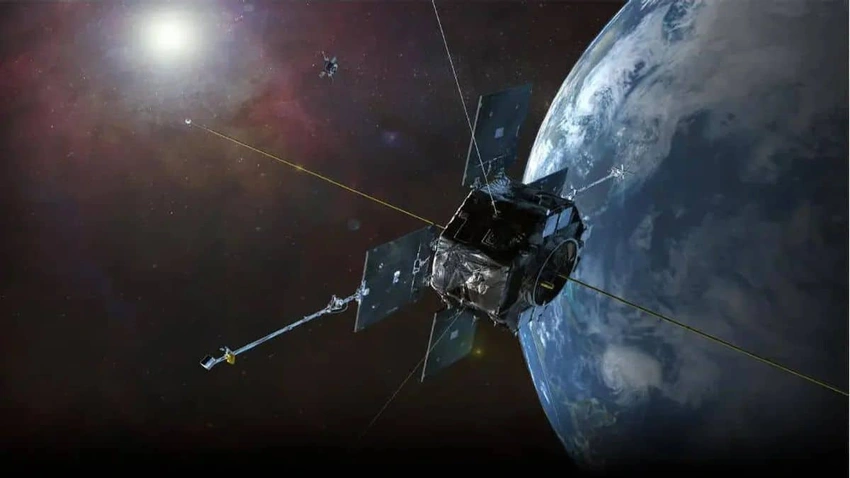
The satellite in question is part of the Van Allen Probes program, which studied high-energy particles around Earth. After 14 years in space, it’s nearing the end of its life and will follow the usual, carefully monitored reentry path managed by mission controllers and space-surveillance teams. While the idea of falling debris grabs headlines, officials emphasize that the reentry window is well understood, and most material will disintegrate during atmospheric entry.
Even if some pieces reach the planet, the vast majority are expected to fall into oceans or unpopulated areas. Space agencies continuously track objects and issue updates to minimize risk to people and property. For curious readers, the takeaway is simple: large space hardware routinely re-enters Earth with minimal danger, thanks to meticulous planning and caution from scientists who monitor every stage of the descent.
As the story unfolds, observers are reminded that the era of space exploration leaves a footprint on Earth as well as in orbit, and that ongoing tracking and risk assessment help keep the public informed and safe.

Login to comment.
No thots yet. Be the first to share your thoughts!