Is Your BFF Trying to Make You Jealous? Playful Teasing vs. Toxic Behavior

Is Your BFF Trying to Make You Jealous? Playful Teasing vs. Toxic Behavior
That fuzzy line between a friend's playful jab and genuinely toxic behavior can be hard to spot. Learn how to tell the difference and protect your peace.
Friendships are amazing, but sometimes they can feel like a maze. One minute you're laughing, the next you're wondering if your bestie's comments are actually meant to make you feel… less than. It's a common, confusing situation: is your BFF genuinely trying to make you jealous, or is it just playful teasing?
Understanding the difference is crucial for your emotional well-being and the health of your friendship.
The Art of Playful Teasing
Playful teasing is a sign of intimacy and trust.
It's usually lighthearted, reciprocal, and everyone involved knows it's all in good fun.
Think of it as friendly banter, poking fun at a shared inside joke, a harmless jab about a silly habit, or a little competitive spirit that ends in laughs and mutual admiration.
The key indicators are intent and impact . The intent is never to hurt or diminish you, and the impact is typically positive, reinforcing your bond. You might roll your eyes, but deep down, you know it comes from a place of affection.

When Teasing Turns Toxic
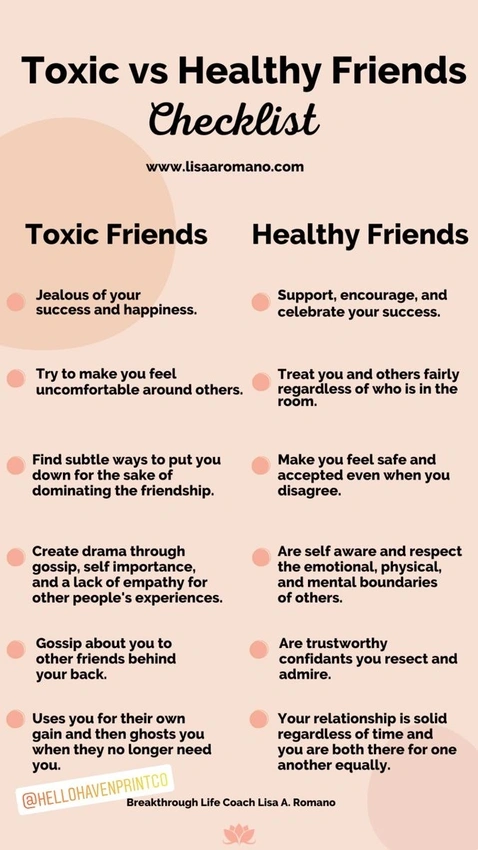
Now, let's talk about the dark side. Toxic behavior often masquerades as teasing but carries a venomous intent. It's about control, insecurity, or a desire to uplift themselves by putting you down.
Signs of toxic jealousy-driven behavior include: repeatedly bringing up your exes in front of new crushes, subtly undermining your achievements, flirting excessively with people you're interested in, or constantly comparing themselves to you in a way that makes you feel inadequate. The impact is usually negative: you feel uncomfortable, insecure, anxious, or even angry. There's an undercurrent of competition, not camaraderie.
How to Spot the Red Flags
Distinguishing between the two requires a bit of self-awareness and observation. Ask yourself: “How do I feel when they say this?” If it consistently makes you feel belittled, anxious, or like you need to prove yourself, that's a significant red flag. Another crucial point: does their behavior change when you express discomfort?
A true friend will stop or apologize. Someone with toxic intentions might dismiss your feelings, gaslight you, or even escalate the behavior. Pay attention to patterns, not just isolated incidents.
Is it a one-off comment, or a recurring theme that chips away at your self-esteem?

Protecting Your Peace and Friendship
If you suspect your friend's behavior is crossing the line, open communication is your first step.
Hey, when you said [X], it actually made me feel [Y]. I know you might not have meant it that way, but I wanted to let you know.
A good friend will listen and adjust. If they're dismissive or defensive, you might need to re-evaluate the friendship.
Remember, your peace of mind is paramount. You deserve friendships that uplift you, celebrate your successes, and offer genuine support, not those that leave you questioning your worth. It's okay to set boundaries or even step back from relationships that consistently make you feel bad.
Your friendships should add joy to your life, not subtract from it.
What's Your Friendship Worth?
True friendship is built on mutual respect, trust, and genuine care. While a little playful banter is healthy and fun, consistent attempts to make you jealous or feel insecure are not. Learn to trust your gut feeling.
If a friendship drains you more than it fills you up, it might be time to protect your emotional space.
Prioritize relationships that make you shine, not dim your light. After all, your best friend should be your biggest cheerleader, not your biggest competitor.

Login to comment.
No thots yet. Be the first to share your thoughts!