How Did The Witch Became a Feminist Icon?

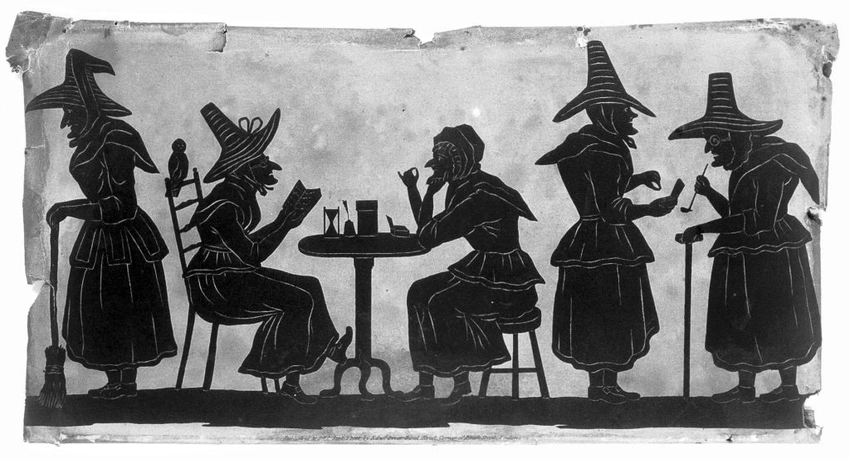
How Did The Witch Became a Feminist Icon?
How Did The Witch Became a Feminist Icon?
Explore how the word 'witch' flips from curse to badge of feminist power. A thoughtful, historical look at persecution, female autonomy, and the patient work of reclaiming the past.
There is a particular pleasure in watching language do a U-turn. Once a word of censure, whispered in churchyards, shouted at trials, pinned as evidence on the sick and the stubborn witch now circulates as a badge: on enamel pins, in zines, in manifestos. The journey from demonised outsider to feminist icon is neither neat nor cosmetic. It is the slow, uneven work of historians, activists and artists re-reading the past and refashioning an image of female autonomy that patriarchy tried to extinguish.
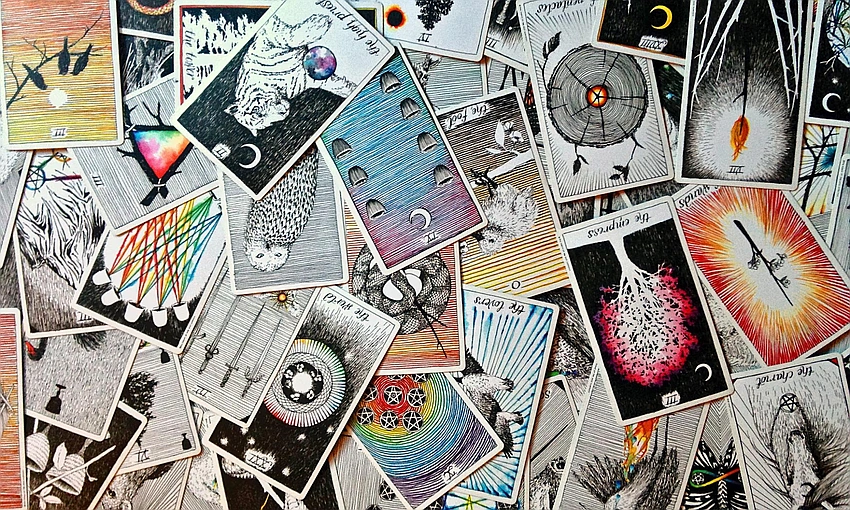
The bloodlines of persecution
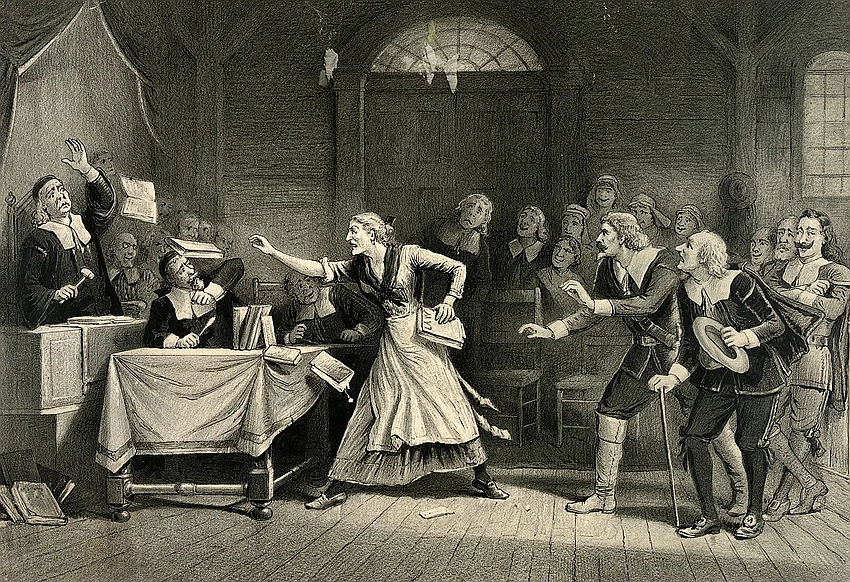
To understand the reclamation, we must first acknowledge the scale of the early modern persecutions. Historians estimate that across Europe and colonial North America some tens of thousands were executed in witch-trials between roughly the fifteenth and eighteenth centuries, and that the majority of those accused and punished were women. This was not random cruelty: accusations often targeted older women, healers, single women and those who lived on the social margins of figures whose independence threatened existing power structures.
That grim ledger is the raw material of feminist reinterpretation. It supplies a concrete genealogy: women punished for knowledge (herbalism, midwifery), autonomy and nonconformity. Scholars and activists have read those prosecutions not simply as superstition but as a violent reconfiguration of gender and labour. It is a process that accompanied the expansion of state authority and the monetisation of life.
From midwives to martyrs
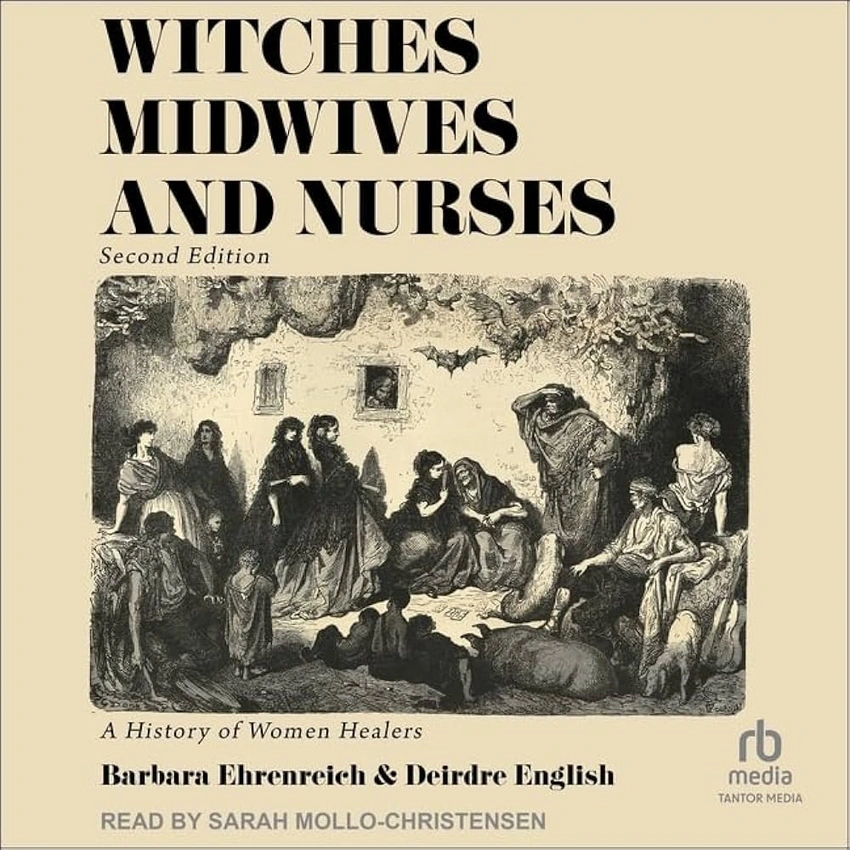
Two landmark texts reframed the witch from monstrous figure to victim and, crucially, to a symbol of structural violence. Witches, Midwives and Nurses argued that the professionalisation of medicine and the rise of male authority systematically excluded women healers; in that sense, the “witch” was the name given to contested female expertise.
Silvia Federici’s Caliban and the Witch deepened the analysis by linking witch-hunting to the birth of capitalist social relations: the policing of women’s bodies, reproductive labour and sexual autonomy, she suggests, became part of primitive accumulation. The slow theft of common and reproductive goods necessary for capitalist development. Whether one agrees in full with Federici’s thesis, her book matters because it supplies a theory that connects misogyny, economic transformation and state violence.
Reclamation as cultural practice
If these histories provided the scaffolding, popular culture furnished the face. From suffragette badges to second-wave feminist pamphlets, the witch reappeared not as a confessing sinner but as a figure of resistance. Contemporary reclaiming takes multiple forms: aesthetic (the witchy aesthetic of herbs, moon cycles and ritual), political (feminist solidarity framed in witch language) and spiritual (the growth of pagan and neo-pagan communities that centre women’s ritual authority). Writers and journalists have traced how, in periods of political anxiety, young women in particular gravitate toward witchcraft’s language of empowerment and dissent.
The image of the witch supplies a compact lexicon of grievances of violence, control over reproductive lives, the policing of female sexuality and a language of remedy: collective ritual, mutual aid, and a refusal to be shamed. It functions as both metaphor and practice.
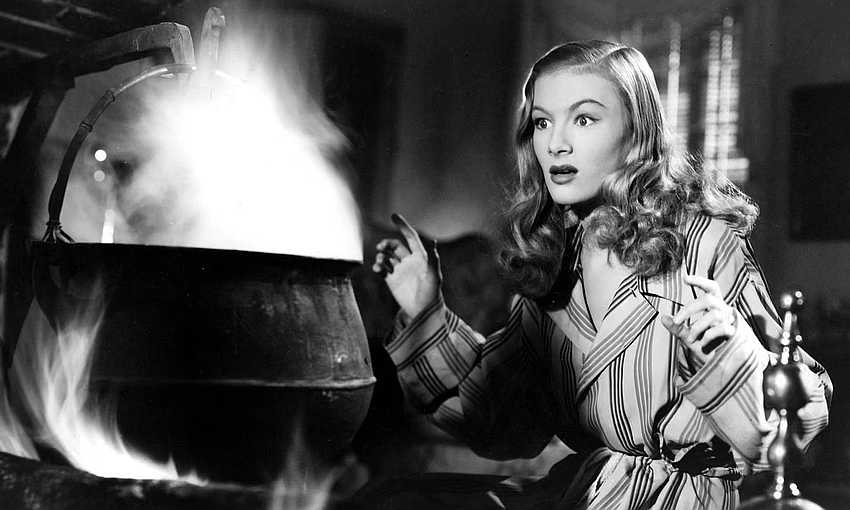
Popular culture: from horror to hymn
Film and television have been ambivalent stages for this transformation. Horror often recycles older tropes of the crone, the malevolent sorceress yet the same medium has also produced stories that recast witchcraft as emancipation. Contemporary films and series frequently map the witch’s power onto queer and feminist struggles, making the supernatural a vehicle for otherwise unsayable resentments. Alongside these fictional treatments, documentaries and journalistic work have re-examined the historical record, emphasising the systemic nature of past persecutions and the continuity of misogyny today.
Limits and criticisms
Reclamation is generative, but it is not beyond critique. There is a risk of aestheticising suffering: to turn real historical violence into a cosy brand is to hollow out the structural claims that drove feminist scholarship in the first place.

Moreover, some strands of neo-paganism and witchcraft communities are accused of depoliticising the material injustices Federici and others emphasise. Good reclamation, keeps one eye on the history of pain and the other on ongoing inequalities.
Why the witch endures
Perhaps the most persuasive reason the witch has become an icon is that she holds contradiction. She is at once healer and heretic, mother and outcast, feared and desired. That polyvalence makes her useful for feminist imaginaries: she can name injury, map resistance and offer a language of spiritual and political renewal. In an era when structural violence remains urgent, the witch provides a shorthand for historical continuity and contemporary struggle.
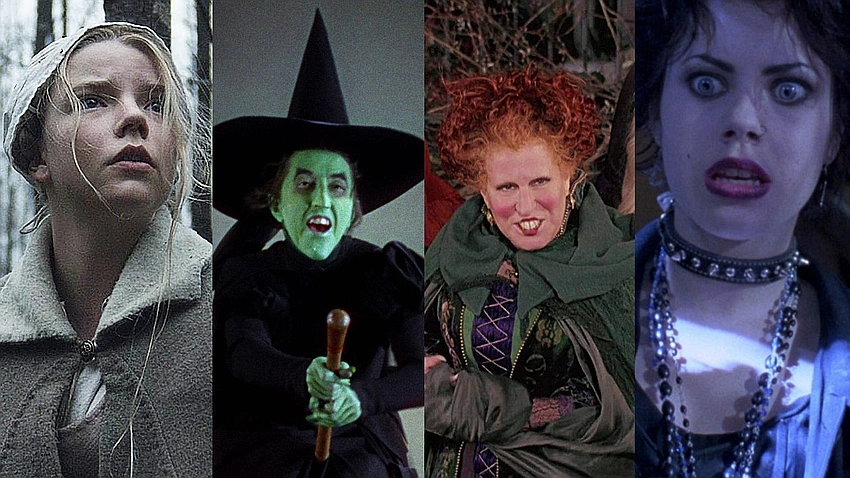
Reclamation does not simply reclaim a word: it insists that we read history against the grain. To see persecution as policy, superstition as social control, and the outlawed woman as a site of possible solidarity. The rescue of the witch is not nostalgia for the occult; it is a refusal to allow the past’s violence to be redrawn as mere folklore. It is instead a claim that power can be named and that symbols, once weaponised against women, can be turned into tools for demanding justice.
#WitchHistory #FeministPast #WomenInHistory #ReclaimingAutonomy #HistoryMatters
