India Blasts UN Reform Plan: Ambassador Parvathaneni Demands Fairer Process

India Blasts UN Reform Plan: Ambassador Parvathaneni Demands Fairer Process
India's UN Ambassador slams the latest UNSC reform paper, demanding true member-state consensus and text-based negotiations. Discover why fixed regional seats won't cut it for global representation! #UNSCReform
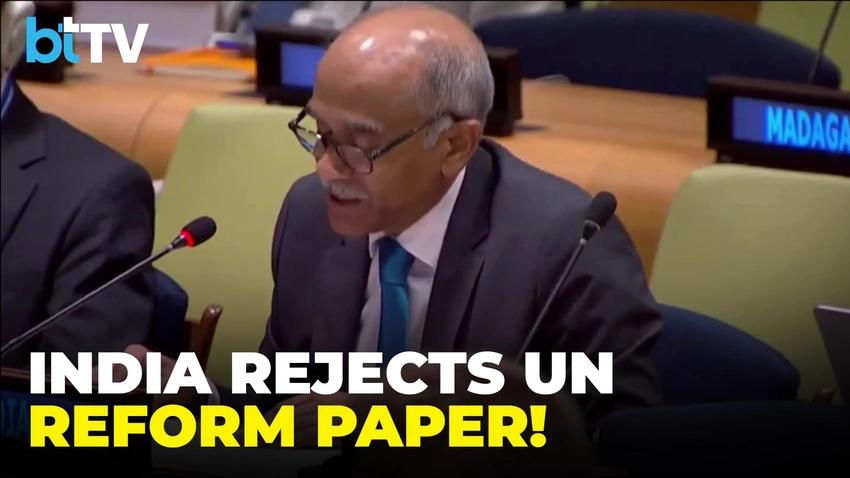
India's Permanent Representative to the UN, Ambassador Harish Parvathaneni, has strongly voiced concerns regarding the latest UN Security Council (UNSC) reform "Elements Paper." According to Ambassador Parvathaneni, this paper primarily reflects the interpretations of its co-chairs rather than a genuine consensus among member states. This critical assessment highlights a fundamental disagreement on the direction and methodology of the crucial reform process.
Ambassador Parvathaneni emphasized that "convergence cannot mean unanimity" in the context of these reforms. Instead, he argued that the reform efforts must accurately reflect the majority views of member states involved in the Intergovernmental Negotiations (IGN) process. He specifically referenced UN General Assembly Decision 62/557, which underlines the necessity of a member-driven process to achieve the widest possible political acceptance for any reform. He also firmly rejected any premature "bridging proposals" that might pre-empt true, broad-based agreement.
A key point of contention raised by the Ambassador was the concept of "fixed regional seats." He criticized this proposal, stating that it fails to genuinely expand permanent membership within the UNSC and, paradoxically, weakens rather than strengthens regional representation. This approach, he suggested, does not align with the broader goals of making the Security Council more representative and effective.
In his address, Ambassador Parvathaneni urged for a shift towards text-based negotiations, complete with clear milestones and definitive timelines. He explicitly called upon the co-chairs to revise the 'Elements Paper,' advocating for a version that demonstrates greater objectivity and clarity. India has consistently reiterated its unwavering support for meaningful UNSC reform. This support is rooted in the belief that such reforms must come through inclusive multilateral negotiations among all member states, ultimately aiming for a balanced global outcome that truly reflects the contemporary world order. The nation's firm stance underscores its commitment to a more equitable and effective global governance structure.
