The Films I Can’t Stop Thinking About From TIFF 2026
The Films I Can’t Stop Thinking About From TIFF 2026
The Films I Can’t Stop Thinking About From TIFF 2026
From underdog dramas to deranged midnight horrors, these are the TIFF 2026 films that lingered long after the festival ended and the human stories that made them unforgettable.

There is something slightly ridiculous about trying to pick the best films at TIFF. This year’s festival had almost 300 features, alongside shorts, special events and enough screenings to make the idea of seeing everything completely impossible. Rolling Stone compared the experience to walking into an enormous buffet and trying to eat as much as possible before the doors close. I think that is probably the most accurate description of a film festival I have ever heard.
So instead of thinking about which films were technically the “best”, I kept thinking about which ones I would still be thinking about after the festival had become another collection of photographs, reviews and awards-season predictions. The Los Angeles Times did something similar with its nine-film selection, describing the films that stayed with its writers after leaving Toronto. And looking through both lists, there is a surprisingly strong pattern. The films that seem to matter most are the ones interested in people trying to survive being human.
The festival belonged to the underdogs
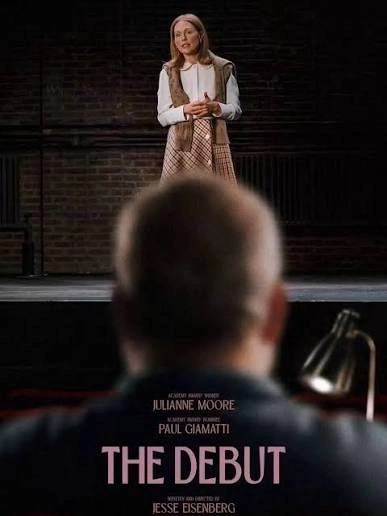
The Los Angeles Times noticed a particular TIFF fixation this year: stories about people who are trying desperately to get somewhere, even when the odds are not particularly interested in helping them. The Debut might be the funniest version of this.
Jesse Eisenberg's film follows Mona, played by Julianne Moore, a neglected mother who throws herself into a tiny community theatre production because she desperately wants to be seen. She is not especially good at acting, singing or dancing, which makes her determination much funnier and much sadder. The film finds something affectionate in the people who continue making art even when nobody important is watching.
That idea also runs through Misty Green, Chris Rock's first film as writer-director since Top Five. Rosalind Eleazar plays a former star whose career has stalled, leaving her caught between the Hollywood life she once had and the financial reality she can no longer ignore. What makes the film memorable is the uncomfortable proximity between wealth and poverty in Los Angeles. One person can be surrounded by luxury while another is struggling to keep a roof over their head, and Hollywood manages to place both lives in the same frame.
The films that went completely off the rails
TIFF would not really be TIFF without something slightly deranged appearing at midnight.
River sounds like a familiar horror setup until it starts doing strange things with the genre. Three siblings take a boat trip to dispose of their father's ashes, become stranded and find themselves pursued by an attacker who seems increasingly less human. The film was enough of a sensation that IFC and Shudder sold its rights to Blumhouse and Universal for more than $10 million after its Midnight Madness premiere.
Then there is The Spiral, which sounds like the kind of film you watch expecting to have a good time and end up wondering why someone thought of this particular nightmare in the first place. A wealthy family becomes entangled in a bargain involving a mysterious stranger and a sacrifice, turning a Faustian story into a piece of horror that also plays with class. Rolling Stone also singled it out among the festival's genre highlights.
I like that TIFF can put something like The Spiral next to a film such as Possible Love without making either feel like an apology for the other. One wants to scare you. The other wants to make you sit with people you may not immediately understand.
Making the world feel bigger
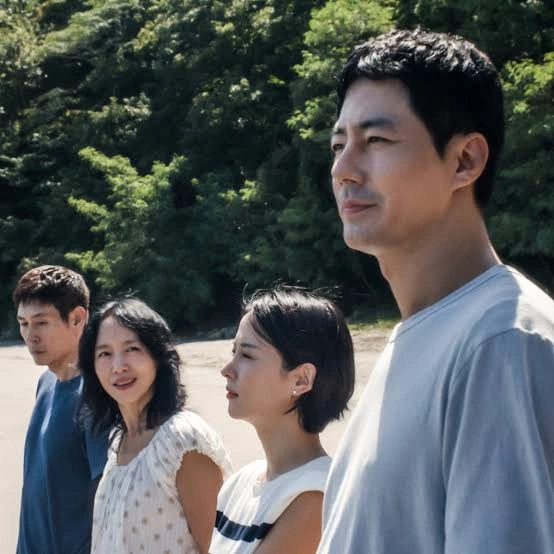
Lee Chang-dong's Possible Love may be the film that best captures the more thoughtful side of this year's festival. The story brings together two couples from very different economic backgrounds, with a documentary filmmaker and her husband becoming connected to a working-class couple affected by a factory closure. The film is interested in inequality, but the LA Times emphasises how much it is driven by curiosity and empathy rather than simply anger.
Rolling Stone goes even further, describing the film as layered with questions about class, activism, trauma and the ethics of documentary filmmaking. What makes that especially interesting is that the film apparently keeps returning to the intimate behaviour of its characters rather than turning them into symbols.
That seems to be what many of the memorable TIFF films are doing. They take something enormous and bring it back to one person.
My highlight: Stuffed
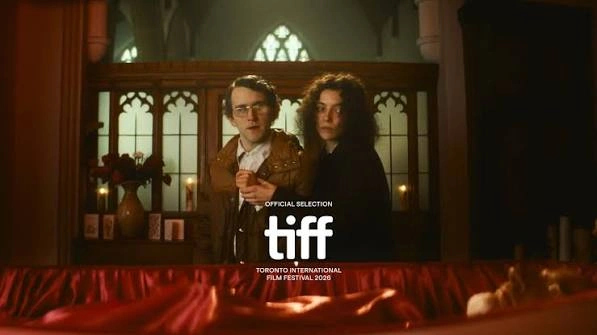
My personal favourite discovery from these lists might be Stuffed, largely because it sounds completely bonkers until you realise what it is actually about. Theo Rhys' dark musical romance follows Bernie, a lonely man who becomes involved with Araminta, a taxidermist. Their relationship eventually involves his willingness to become part of her collection. The premise is grotesque enough to be funny, but the film's underlying anxiety is painfully ordinary: what happens when you are terrified of being forgotten?
That question keeps appearing across this TIFF selection in different forms. Mona wants to be seen. Misty wants another chance. Bernie's fear is that nobody will remember him. Even the characters in Possible Love are trying to find some form of connection across a divide that money has made enormous. With hundreds of films competing for attention, the ones that stay with you are rarely the ones that simply announce how important they are. They give you a person to worry about. They make you laugh at someone before making you recognise something of yourself in them. They turn huge subjects into small human problems. After all the premieres, red carpets and awards-season chatter disappear, that is what remains. Not the feeling that you have seen the most films, or even the “best” ones, but the remarkable experience of carrying a character home with you.
