Siri's New Brain: Why It Feels Both Amazing & 'Meh'

Siri's New Brain: Why It Feels Both Amazing & 'Meh'
Apple finally revamped Siri, making it truly useful. But in a world of advanced AI agents, is 'useful' enough? We dive into why our AI expectations are completely out of sync.
Siri's Glow-Up: Why Our AI Expectations Are Still Out of Sync
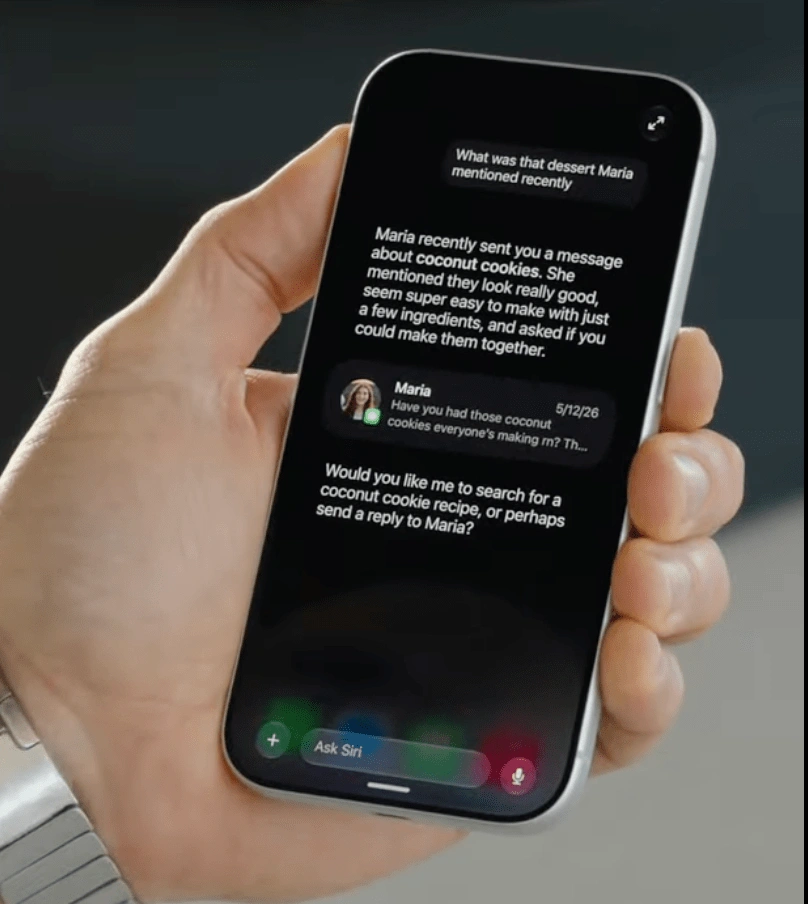
It's official: Apple has finally delivered on its promise, giving Siri the long-awaited AI overhaul. And let's be clear, this isn't just a minor tweak; this is the Siri we've always hoped for. The assistant is genuinely useful, capable of understanding complex commands, context, and finally performing many of the functions we've expected from it for years.
For anyone who's ever grumbled at Siri's previous limitations, this is a moment to celebrate.
Yet, there's an undeniable, almost anticlimactic feeling accompanying this significant achievement.
Why does a genuinely useful, much-improved Siri feel… subdued? The answer lies not in Siri's capabilities, but in the breakneck speed of the broader AI landscape. While Apple was meticulously refining Siri over what felt like “years of delays,” the rest of the artificial intelligence world didn't stand still.
It galloped ahead, transforming expectations for what an AI can, and should, do.
The Moving Target of 'Revolutionary'
Remember when a voice assistant that could set alarms and tell you the weather felt futuristic? That's ancient history now. We're living in an era where
chatbots have evolved into agents that can code, reason, create media, and complete complex tasks.
These aren't just parlor tricks; they're tools that are reshaping industries, accelerating creativity, and streamlining workflows in ways that were unimaginable just a few years ago.
When we look at the AI assistants emerging from various labs and tech giants today, they're not just answering questions; they're anticipating needs, synthesizing information across multiple platforms, and even generating sophisticated content. They can draft emails, summarize lengthy documents, debug code, and even collaborate on creative projects. This is the new baseline, the new 'revolutionary.'
The Challenge for Legacy Tech
Apple's meticulous approach, while ensuring a polished and privacy-focused product, meant Siri's evolution happened in a different timeline. The company spent years perfecting an AI assistant that, by its launch, arrived into a world where the goalposts had dramatically shifted. Siri is now the assistant it “was always supposed to be,” but that “supposed to be” was defined by a previous generation of AI aspirations.
For consumers, this creates a disconnect. We're thrilled to finally have a competent Siri, but our minds are already envisioning the next frontier. We're thinking about AIs that can act as true digital copilots, seamlessly managing our entire digital lives, not just responding to discrete commands.
We expect predictive intelligence, proactive assistance, and a level of autonomy that goes far beyond a helpful voice interface.
So, while Siri's glow-up is undeniably impressive and will significantly improve the daily lives of countless Apple users, it serves as a powerful reminder of how rapidly our understanding and expectations of AI are evolving. In this hyper-accelerated tech environment, what's genuinely useful today can feel merely foundational tomorrow.
The question now isn't just “Can Siri do X?” but
What can Siri do that other AI agents can't, or do better, to truly captivate and redefine our digital interactions?
It's a high bar, and the race for truly revolutionary AI continues.
