Mamdani Calls on King Charles to Return Koh-i-Noor to India

Mamdani Calls on King Charles to Return Koh-i-Noor to India
New York mayor Mamdani urges restitution of the Koh-i-Noor diamond, framing it as a step toward acknowledging colonial-era injustices.
In a bid to spotlight a long-running grievance, New York City Mayor Zohran Mamdani says he would ask King Charles to return the Koh-i-Noor diamond to India. He frames the jewel as a symbol of colonial-era injustice that still echoes in today’s conversations about restitution.
The Koh-i-Noor, admired for its storied past, has a disputed history tied to Britain’s colonial era. Taken during the height of imperial rule, the diamond has remained part of the British crown jewels for generations, standing as a powerful symbol for advocates of repatriation who argue that cultural artifacts should be returned to their places of origin.
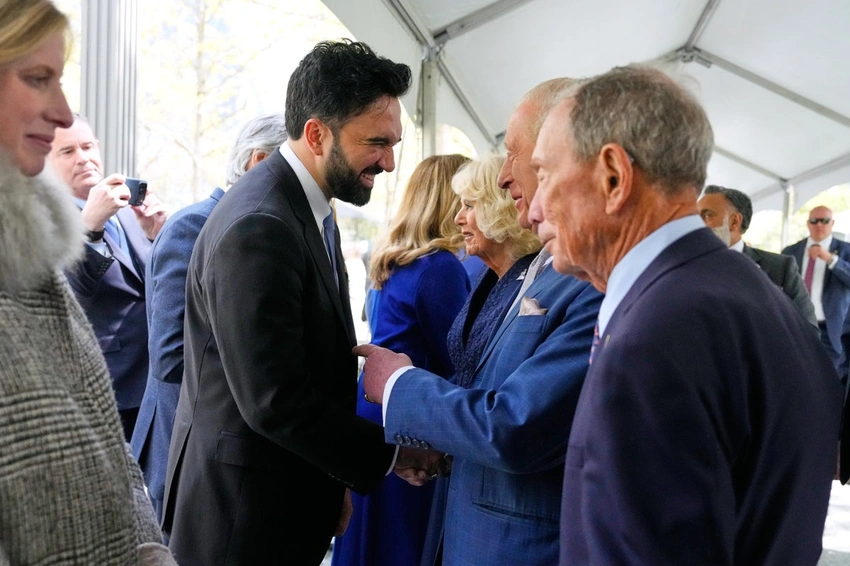
Mamdani stressed that he and the King did not meet privately, but if given the chance, he would raise the issue directly—calling for the crown jewel's repatriation. He suggested that a direct conversation could help catalyze broader discussions about justice, memory, and accountability in cultural heritage.
This stance aligns with a growing global debate about who owns cultural treasures and where they should reside. Proponents of restitution say that returning such artifacts would acknowledge historical wrongs and repair relationships with nations long seeking the return of looted heritage. Critics caution that restitution is a complex, diplomatic matter involving legal ownership, preservation concerns, and the practicalities of displaying artifacts in museums and institutions around the world.
The mayor’s comments come at a time when many cities and institutions are reevaluating the provenance of artifacts in their collections and seeking pathways to reconciliation with histories of colonization. Whether these discussions translate into concrete moves remains to be seen, but Mamdani’s remarks have already amplified a conversation that mixes history, diplomacy, and the responsibilities of today’s leaders.
As discussions continue, the Koh-i-Noor diamond remains a potent symbol—one that could influence how cities, nations, and cultural institutions handle claims of stolen or displaced artifacts in the future. Mamdani’s stance adds a high-profile civic voice to a debate that has long simmered in legal and moral forums alike.
