India-Pak Talks: Can Dialogue Bridge Deep Divides? Omar Abdullah, Citizens Weigh In

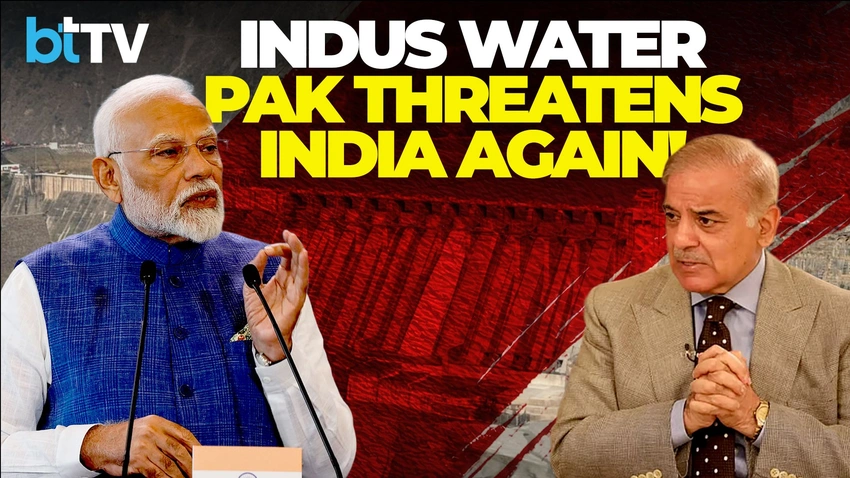
India-Pak Talks: Can Dialogue Bridge Deep Divides? Omar Abdullah, Citizens Weigh In
Amidst rising tensions, calls for renewed India-Pakistan dialogue are growing louder. From Omar Abdullah backing talks to citizens signing a peace letter, explore the complex path to reconciliation.
Amidst a backdrop of continued cross-border hostilities and heightened rhetoric, calls for a resumption of India-Pakistan dialogue are gaining traction from various fronts. This push for peace, however, is met with significant skepticism given the deep-seated mistrust and recent provocations.
Former Jammu and Kashmir Chief Minister Omar Abdullah has emerged as a prominent voice advocating for renewed talks, emphasizing that dialogue remains the only viable path to de-escalate tensions. Abdullah notably questioned the selective criticism faced by J&K politicians when they call for engagement, contrasting it with the perceived lack of backlash for figures like RSS leaders who have also advocated for open discussions. He underscored the importance of fostering better neighborly relations, echoing sentiments previously expressed by former Prime Minister Atal Bihari Vajpayee.
Adding to the momentum, a group of 117 citizens from both India and Pakistan recently penned an open letter. This initiative passionately advocates for the restoration of full diplomatic ties, the resumption of trade, and structured dialogue between the two nuclear-armed nations. They believe that sustained engagement is crucial for long-term stability and mutual prosperity.
However, the path to reconciliation is fraught with challenges. The initiative faces severe skepticism, primarily due to ongoing cross-border incidents and a hardened stance from elements within Pakistan’s leadership. Figures such as Bilawal Bhutto Zardari have adopted aggressive rhetoric, particularly concerning critical issues like the Indus Water Treaty. This makes the prospect of meaningful 'track-two' diplomacy, where non-governmental actors facilitate dialogue, appear tenuous when official state rhetoric remains deeply hostile towards India.
Experts and commentators alike point to the enduring ideological, political, and institutional divides that have historically plagued relations. Some argue that the real power in Pakistan often resides with its military establishment, potentially rendering civilian-led talks less effective. The question remains: can these renewed calls for dialogue truly overcome decades of animosity and current geopolitical realities to forge a bridge of reconciliation?
