Kim Jong Un: Japan a 'War State,' North Korea Boosts Nuclear Might!

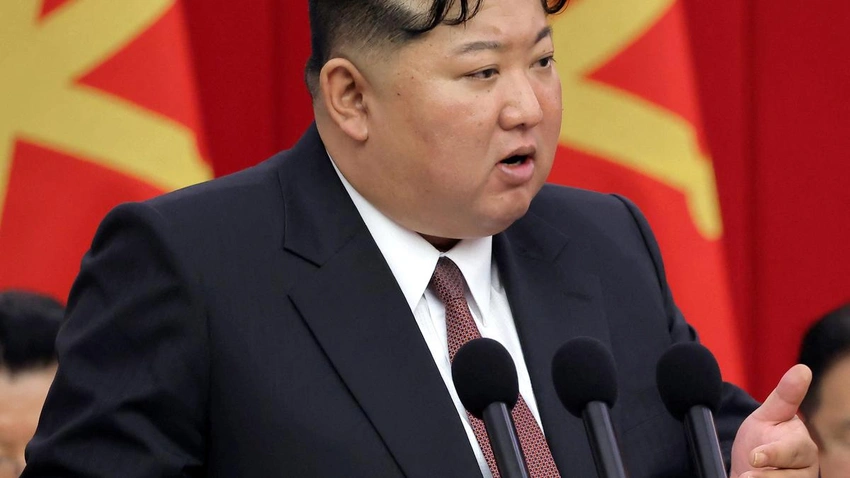
Kim Jong Un: Japan a 'War State,' North Korea Boosts Nuclear Might!
North Korean leader Kim Jong Un slams Japan for abandoning pacifism, labeling it a 'war state,' and vows to strengthen North Korea's nuclear capabilities. Regional tensions escalate as Japan defends its new defense polic
North Korean leader Kim Jong Un has sharply criticized Japan, labeling it a “war state” and calling for a significant expansion of Pyongyang's military defenses. This comes as Japan moves away from its post-World War II pacifist policies, a shift that has also drawn condemnation from China.
According to the state news agency KCNA, Kim Jong Un stated on Tuesday that Japan, a “defeated country in Asia,” is openly transforming into a “war state.” He accused Tokyo of using current “disturbing circumstances” to shed restrictions on becoming a military power, a move he described as inviting “strong backlash and serious concern from the international community.” He emphasized that “exercising position of nuclear weapons state is most correct and unique way to actively and confidently cope with unpredictable international military and political situation getting complicated.”
Japan's prime minister Sanae Takaichi's cabinet has already lifted a ban on exporting lethal weapons, including fighter jets. This policy change, which allows for the export of equipment like missiles and naval destroyers, marks a substantial departure from the country's pacifist constitution. Drafted after World War II under US supervision, the constitution previously prohibited most military exports, limiting them to rescue, transport, alerts, surveillance, and minesweeping equipment.
Tokyo, however, has defended its revised defense strategy. Chief Cabinet Secretary Minoru Kihara asserted that the new policy is crucial to “ensure safety for Japan and further contribute to the peace and stability in the region and the international society as the security environment around our country rapidly changes.” Kihara added that the government intends to “strategically promote defence equipment transfers to create a security environment that is desirable for Japan and to build-up the industrial base that can support fighting resilience.”
Beyond his critique of Japan, Kim Jong Un also reaffirmed North Korea's commitment to its nuclear forces. During a key party meeting, officials stressed that nuclear capabilities are vital for national sovereignty and deterring war. The agenda reportedly included accelerating naval projects, reinforcing border defenses, and addressing economic development, particularly in the coal sector. Leadership changes were also announced without further explanation. China has echoed North Korea's concerns, with foreign ministry spokesperson Guo Jiakun previously stating that the global community would “resolutely resist Japan’s reckless moves toward a new type of militarism.” Kim also accused the U.S. and South Korea of escalating tensions by upgrading their combined nuclear posture on the Korean Peninsula.
This escalating rhetoric underscores rising geopolitical tensions in the Indo-Pacific region, with North Korea's pursuit of enhanced military capabilities and Japan's strategic shift both contributing to a more complex and potentially volatile security landscape.
