Willie Colón: Architect of Urban Salsa Dies at 75

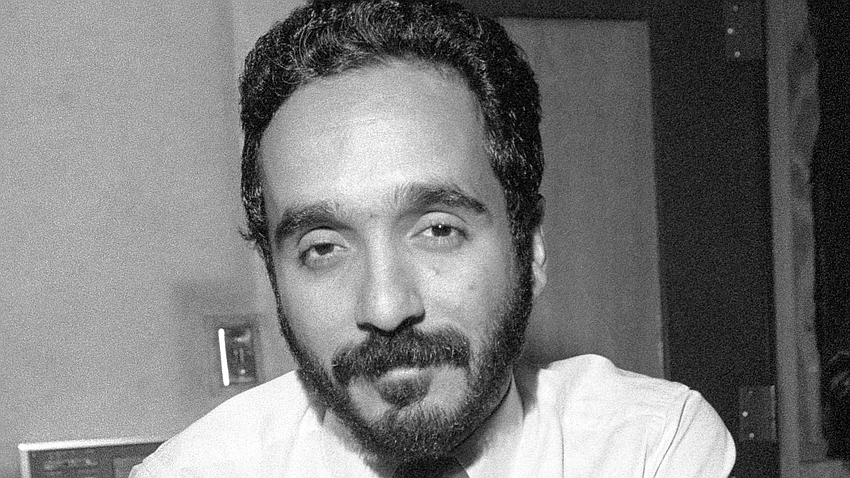
Willie Colón: Architect of Urban Salsa Dies at 75
The Nuyorican salsa pioneer Willie Colón, famed for fusing jazz with Latin rhythms, dies at 75, leaving a lasting legacy in the salsa world.
Willie Colón, the Nuyorican maestro of urban salsa, died at 75, leaving a trail of iconic songs and a transformed Latin music scene. A multi-nominated artist with ten Grammy nominations and a Latin Grammy to his name, Colón helped shape a genre that blended jazz, rock, funk, soul and R&B with the traditional Latin core of Cuban son, cha-cha-cha, mambo and guaracha. His staples—El gran varón, Sin poderte hablar, Casanova, Amor verdad and Oh, qué será—remain touchstones for generations of dancers and musicians.
Born in New York's Bronx, Colón was raised by his grandmother and aunt, who exposed him to traditional Puerto Rican music and the broader Latin repertoire. He entered the world of music at 11, starting on flute, then bugle and trumpet, finally finding his voice on trombone after hearing Barry Rogers play on Dolores, Mon Rivera’s song with Joe Cotto. The sound he heard was described by him as powerful and transformative, fueling a lifelong pursuit to master the instrument.
At 17 he joined the group of artists that formed Fania Records, a label led by Jerry Masucci and Johnny Pacheco that would become the engine of what would be called “salsa.” Colón’s main gift as a musician was fusion: he harmonized jazz, rock, funk, soul and R&B with the old Latin school of Cuban son, cha-cha-cha, mambo and guaracha, while weaving in the nostalgia of Puerto Rican jíbara, bomba and plena. His work helped define an urban salsa sound that traveled from New York to the world.
Colón’s legacy extends beyond his own recordings. He inspired countless artists and collaborators, and his death has been met with tributes from peers and fans alike, highlighting a career that reshaped Latin music and kept the dance floor alive for decades.
