Ancient Neolithic Island in Scottish Loch Reveals Hidden Wooden Platform

Ancient Neolithic Island in Scottish Loch Reveals Hidden Wooden Platform
Archaeologists uncover a Neolithic artificial island in a Scottish loch near the Isle of Lewis, revealing a wooden platform and an underwater causeway.
In a remote Scottish loch on the Isle of Lewis, archaeologists have turned up a wooden platform buried beneath a Neolithic artificial island. The discovery suggests the site was engineered to withstand the rising waters and may have served as a ceremonial or harbor area long before Stonehenge.
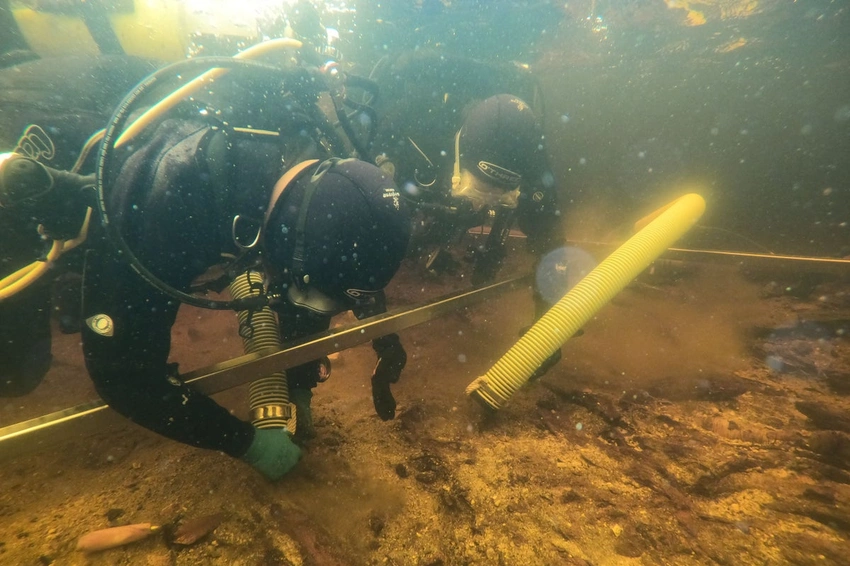
The island sits in Loch Bhorgastail, with underwater excavations revealing a carefully laid wooden platform. A stone causeway, now submerged, extends from the shore to the island, hinting at sophisticated planning and transport routes used by ancient peoples.
The research team, including specialists from a UK university, used divers and imaging to map the submerged landscape, uncovering clues about construction techniques and daily life. The find adds to growing evidence that Scottish lochs sheltered thriving Neolithic communities with complex engineering.
Archaeologists stress that further digging and dating will refine the timeline and purpose of the island, with potential parallels to other Neolithic sites in the region. The discovery invites renewed interest in Scotland's underwater archaeology and the ways early communities connected land and water.
