Why Your Chaotic Aesthetic Actually Started in 1963

Why Your Chaotic Aesthetic Actually Started in 1963
Think Maurice Sendak wrote a simple kids' book? Think again. Discover how 'Where the Wild Things Are' paved the way for Gen-Z's obsession with dark, authentic, and messy creativity.
Why Your Chaotic Aesthetic Started in 1963
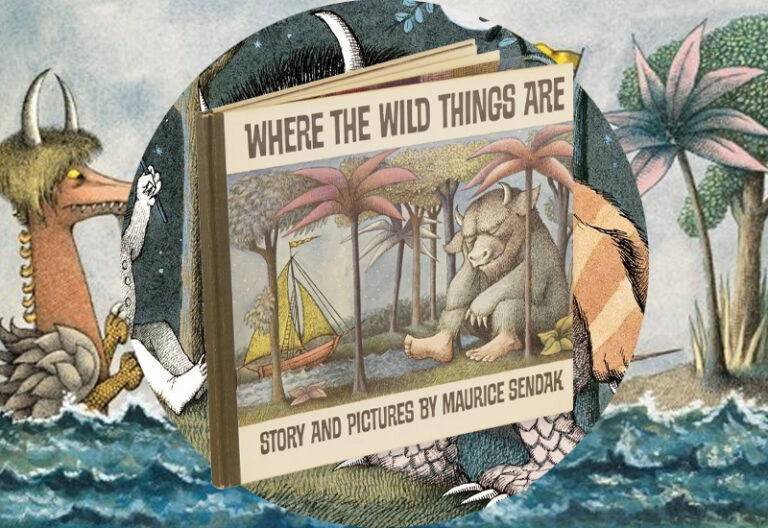
On a random Tuesday in April 1963, a self-taught artist named Maurice Sendak released a book that would eventually explain the entire internet's current obsession with raw authenticity. Where the Wild Things Are was never just a bedtime story about a boy in a wolf suit. It was a manifesto for anyone who felt a little too much, yelled a little too loud, and found solace in the monsters under their bed.
The Pivot from Perfection
Today, we see a massive shift toward goblin mode and unfiltered social media content. This movement away from the perfectly curated Instagram grid toward something messy and real has deep roots in Sendak’s world. Before he was a household name, Sendak was a young man sketching children from his apartment window and pinning El Greco clippings to his walls instead of movie stars. He was never interested in the proper way to be an artist or a child.
The story of how the book got its name is a masterclass in creative pivots. Sendak originally intended to call the book Where the Wild Horses Are. When he realized he could not accurately draw horses, his editor suggested the name change. Sendak looked at his own relatives, the eccentric and sometimes terrifying aunts and uncles from his childhood, and turned them into the legendary beasts Max encounters. This choice to turn the personal, the awkward, and the familiar into art is exactly what fuels the dark and chaotic creative expression we see on TikTok and Reddit today.
Owning the Anger
Max, the protagonist, does not apologize for his anger. He gets sent to bed without supper for being a wild thing, and instead of repenting, he builds an empire out of his frustration. This resonates with a generation that values emotional transparency over polite compliance. Sendak gave us permission to be complicated. He showed us that our internal monsters are not something to be feared, but something to be crowned.
As we look back on over sixty years of Max’s journey, it is clear that Sendak’s influence goes beyond simple nostalgia. He laid the groundwork for a culture that prizes authenticity over perfection. Whether you are creating a chaotic video edit or just embracing your own wild side, you are walking the path Sendak paved with a single, un-erased pencil stroke.
