Hormuz Oil Exports Rebound, UAE Plans Bypass Amid Regional Tensions 🚢

Hormuz Oil Exports Rebound, UAE Plans Bypass Amid Regional Tensions 🚢
Crude oil exports through the Strait of Hormuz are back to pre-war levels with US military protection, but the UAE is eyeing alternative routes. Discover why amidst ongoing regional turbulence.
Crude oil exports through the crucial Strait of Hormuz have made a significant comeback, returning to pre-war levels thanks to robust US military protection and strategic pipeline diversions. This recovery, however, is shadowed by ongoing regional turbulence and prompts critical questions about its long-term sustainability.
Meanwhile, the United Arab Emirates is making proactive moves to secure its economic future by planning alternative shipping routes, highlighting the persistent anxieties in the Gulf region.
Recent data from Kpler, a leading firm tracking global trade flows, reveals that crude oil transiting Hormuz reached an impressive seven-day average of 13.5 million barrels per day as of Monday. This figure successfully matches the pre-war baseline for shipments through the narrow strait.
Beyond Hormuz itself, the broader Middle East region, encompassing the Persian Gulf and Red Sea, has seen its crude oil shipments soar even higher, reaching a seven-day average of 19.5 million bpd, surpassing its pre-war baseline of approximately 17 million bpd.
For years, Iran has repeatedly asserted its control over Hormuz, even threatening its closure multiple times.
However, these latest figures suggest a clear shift in influence. Matt Smith, director of commodity research at Kpler, notes that Tehran's sway over the strait appears to be diminishing as strong volumes continue to pass through unhindered.
This resilience is largely attributed to the continuous presence of the U.S. military, which has been escorting tankers and ensuring the safe passage of vital energy supplies.
Despite this apparent stability in oil flows, the reliance on external military protection underscores the region's inherent vulnerabilities. Recognizing this, the United Arab Emirates is taking decisive action to safeguard its interests.
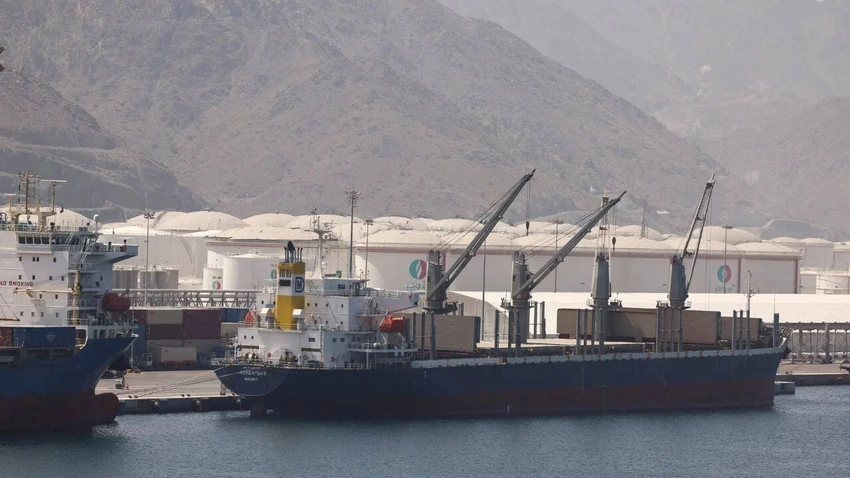
L'imad Holding from Abu Dhabi is spearheading plans to significantly enhance port infrastructure in Fujairah.
This ambitious initiative aims to develop shipping alternatives that would allow the UAE to bypass the Strait of Hormuz entirely.
The strategic shift is a direct response to the "current regional turbulence" and seeks to reduce the emirate's dependence on the strait, which remains a geopolitical flashpoint. By strengthening Fujairah's capabilities, the UAE hopes to ensure stable and secure routes for its oil and other essential goods, mitigating risks associated with potential disruptions in Hormuz.
However, these large-scale investment efforts are not without their challenges, as security threats continue to pose significant concerns for Gulf infrastructure projects. The delicate balance between ensuring energy security and navigating complex regional dynamics remains a paramount concern for all stakeholders.
